

The ability to stream films and songs over the internet has upended the entertainment industry, but the $140 billion market in video-gaming has resisted the revolution. That may soon change. A battle is brewing between big media and technology firms to see which company — if any — can become the Netflix of video games.
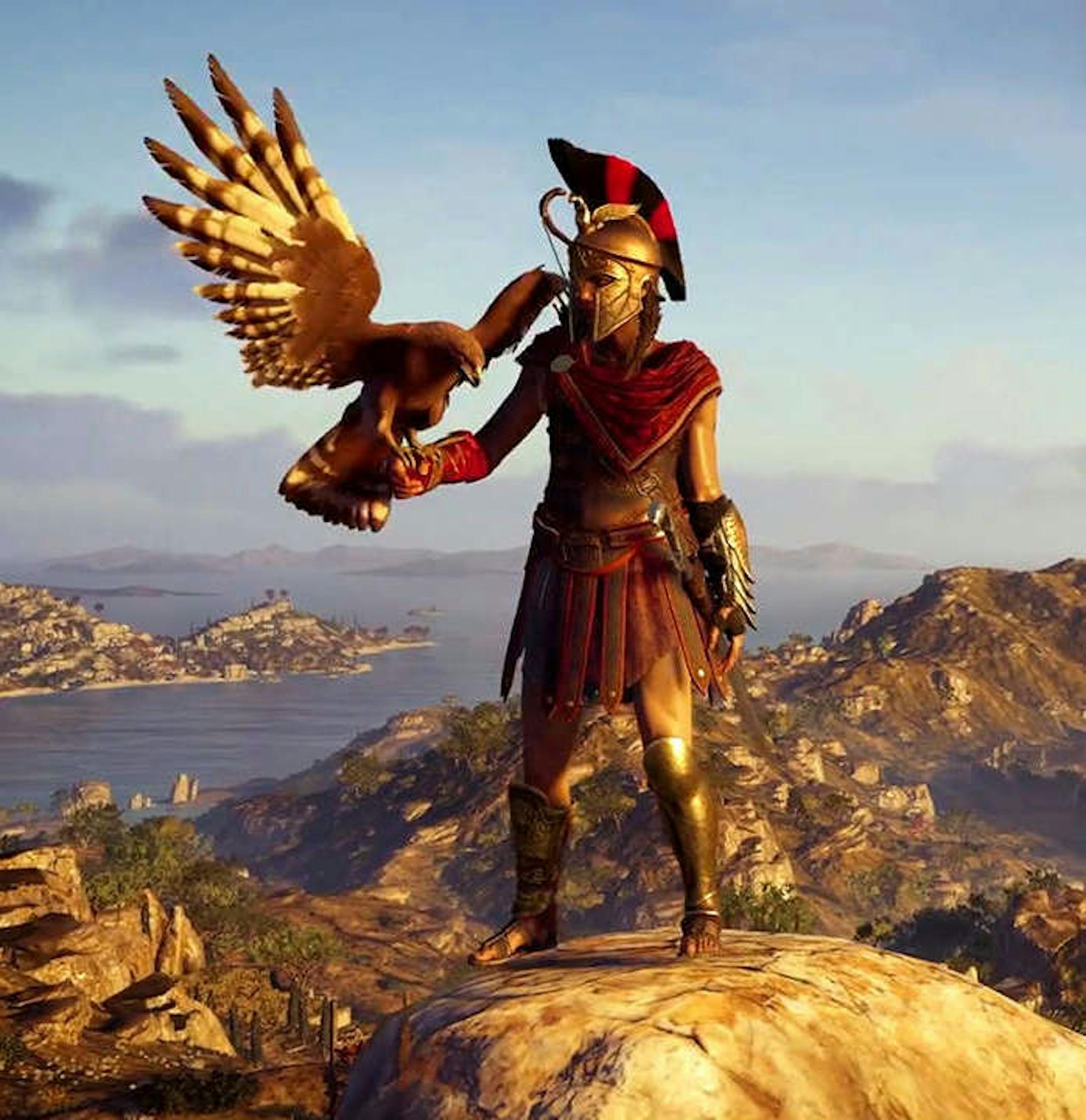
In October, Google began tests of a cloud-gaming service called "Project Stream," using a big budget game, "Assassin's Creed Odyssey." The game was designed to run on dedicated consoles and beefy PCs. But with computational heavy-lifting, Google shifted it to its data centers, allowing even a modest laptop to have the game's sumptuous take on the Peloponnesian War.
Microsoft, which makes the Xbox consoles, is due to start testing a similar service, Project xCloud, later this year. Amazon is also thought to be interested.
The giants will be battling a string of competitors, including Electronic Arts, a big games publisher, and Nvidia, a maker of video-gaming graphics chips. Sony, which makes the PlayStation consoles, already has a cloud-gaming offering called PlayStation Now, as do startups such as Loudplay and Shadow.
The hope is that cloudified games will be more appealing to consumers. The industry would simply be keeping up with their habits, said Kareem Choudhry, who runs Project xCloud. People are trained to expect entertainment to be portable, transferable between different devices and instantly available.
Also among the transactions: Gaming also has high upfront costs to customers relative to other media, and manufacturers often lose money on expensive-to-design systems.
Streaming appeals for other reasons too, says Piers Harding-Rolls of IHS Markit, an analysis firm. The game industry is increasingly making money from users paying for digital goods bought in a game. "Fortnite Battle Royale," one of the most successful examples, is believed to have earned more than $1 billion from in-app purchases since 2017.
Since the marginal cost of generating such digital goods is zero, every sale is pure profit. That model rewards scale, which is what cheap cloud gaming could help deliver.


