

Enrique Iglesias, a Spanish pop singer, plays an unlikely part in the story of Indian capitalism.
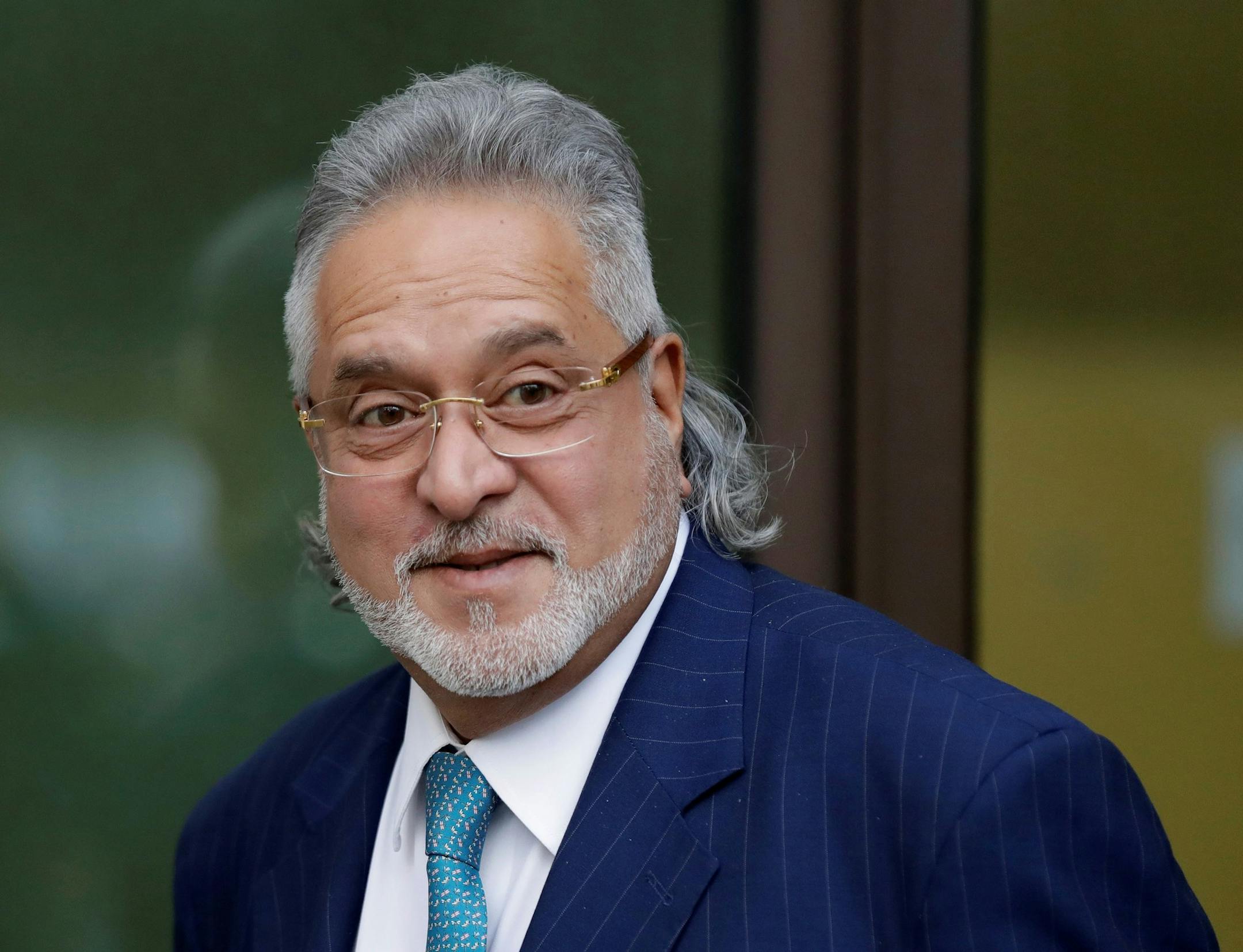
His presence at a party to mark Vijay Mallya's 60th birthday, in December 2015, was, literally, a showstopper. A flamboyant booze heir, Mallya was then best known for founding Kingfisher Airlines, which had earlier imploded because of its debts.
Given that he had personally guaranteed some of these loans, the self-proclaimed "king of good times" was assumed to have been chastened. Upon hearing of Iglesias' performance, bankers — and politicians — started asking how Mallya had continued to live so large. The party had lasted for three days.
Mallya is hardly the only Indian tycoon to have cocked a snook, or thumbed his nose, at his bankers. Some founding shareholders of Indian companies have long made full use of a loophole of local corporate law that thwarted banks' attempts to seize companies in default on their loans. A bunged-up court system made foreclosure all but impossible, so owners of even the sickliest of companies could spend lavishly without fear of repercussions.
The party is now over.
Mallya fled to London soon after the bash (Indian authorities are trying to extradite him on charges of fraud, which he denies). But the spotlight on him gave fresh impetus to discussions about finding ways to reign in failed promoters.
A new bankruptcy code entered into force in May 2016, and after almost two years of preparation, governs the final rulings on its first big cases this month. Tycoons who had once fobbed off bankers are now getting turfed out of companies they had held onto for decades despite repeated defaults. As a result the outlines of a fresh era in Indian capitalism are taking shape.
Unforgiving law
The law is brutal for those who fall foul of their creditors. Promoters who have defaulted are explicitly banned from staying on as owners, following an amendment made to the code in November.


