

In editorializing against North Dakota's proposed religious-liberty amendment ("A misleading push for religious liberty," May 25), the Star Tribune itself gave a misleading account.
The proposed rule -- declaring that burdens imposed on religious practice by law should be justified by a "compelling" governmental interest -- is already applicable to the federal government, and to more than 20 states by statutes or by state constitutional rules. The "compelling interest" standard is not absolute, but it requires government to offer a strong reason for imposing on religious conscience.
This issue arose when the U.S. Supreme Court ruled in 1990, in a case involving Native Americans' historic use of peyote at worship services, that states could punish virtually any sincere religious practice, whether it caused harm or not, as long as they did so pursuant to a "neutral, generally applicable" law covering nonreligious conduct, too.
Congress, believing that equating the exercise of religion with all other forms of conduct was inconsistent with our First Amendment, responded in 1993 by passing the Religious Freedom Restoration Act. That statute restored the compelling-interest rule, by overwhelming votes -- unanimously in the House, 97-3 in the Senate -- and now governs all federal laws.
Given this background and the rule's adoption in half the states, how can the Star Tribune denigrate it as "un-American"? In our complex society, valid laws sometimes collide with religious conscience. In such cases it is sensible to balance societal values by protecting religious freedom unless the government can show a strong countervailing interest.
Because our nation values religious freedom, we have recognized such exceptions ever since Quakers were exempted from service in revolutionary militias. If exceptions are illegal "preferential treatment," as the editorial suggests, then we should not accommodate school athletes who need to wear religious head coverings during games, or require prisons to provide nonpork diets to Jewish or Muslim inmates, or protect churches and synagogues with male-only clergy from being sued or fined for discrimination.
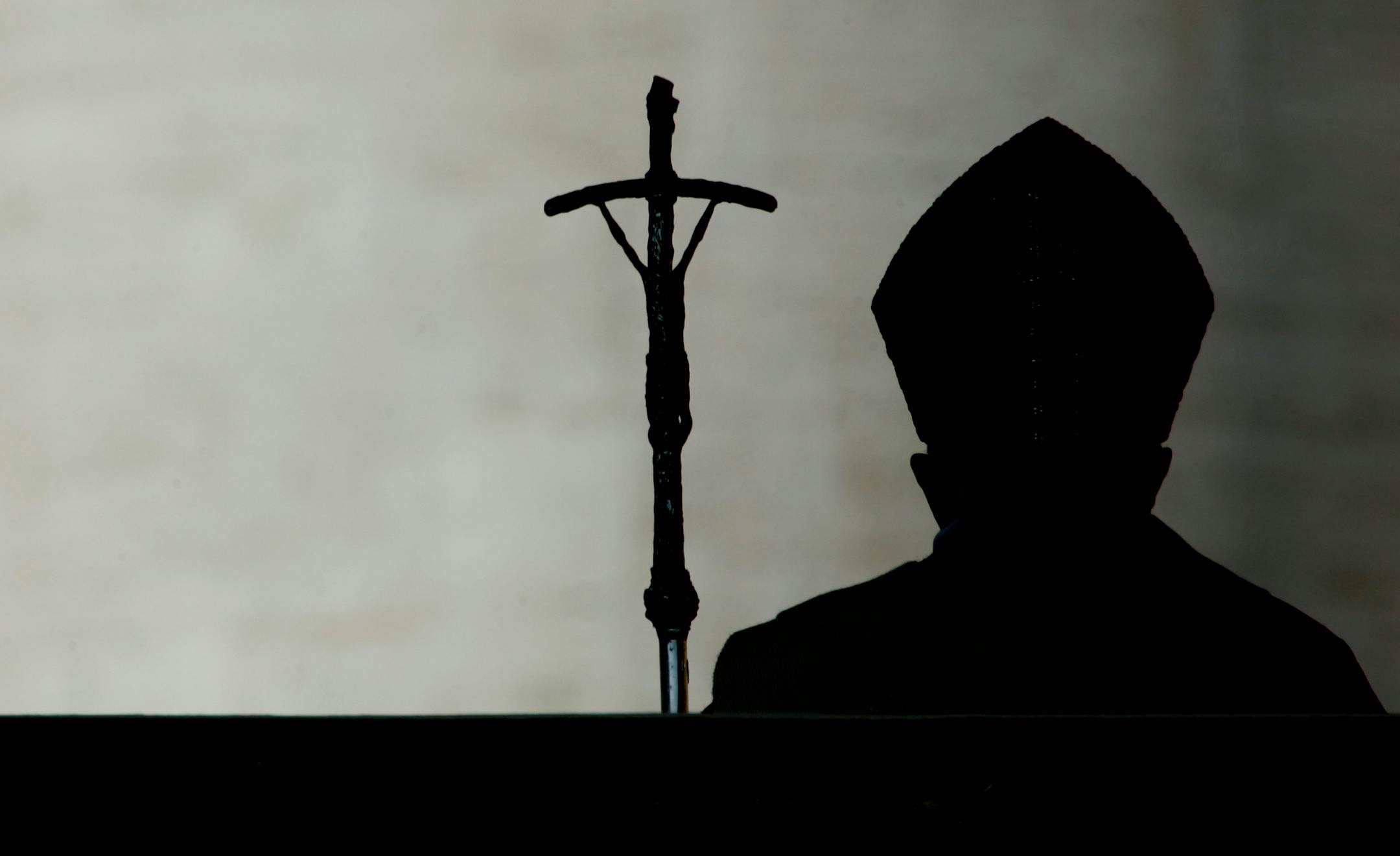
By emphasizing the role of Catholic bishops and "religious-right" activists in the North Dakota effort, the Star Tribune suggests that the issue affects only social conservatives.
But the same standard that allows Catholic organizations to challenge mandatory contraception coverage also allowed Protestant and Catholic social services to challenge a draconian Alabama law prohibiting organizations from giving any aid to illegal immigrants. And it allowed progressive churches and synagogues in Minnesota to challenge the requirement that they allow anyone to bring a gun onto their property.


