1:14
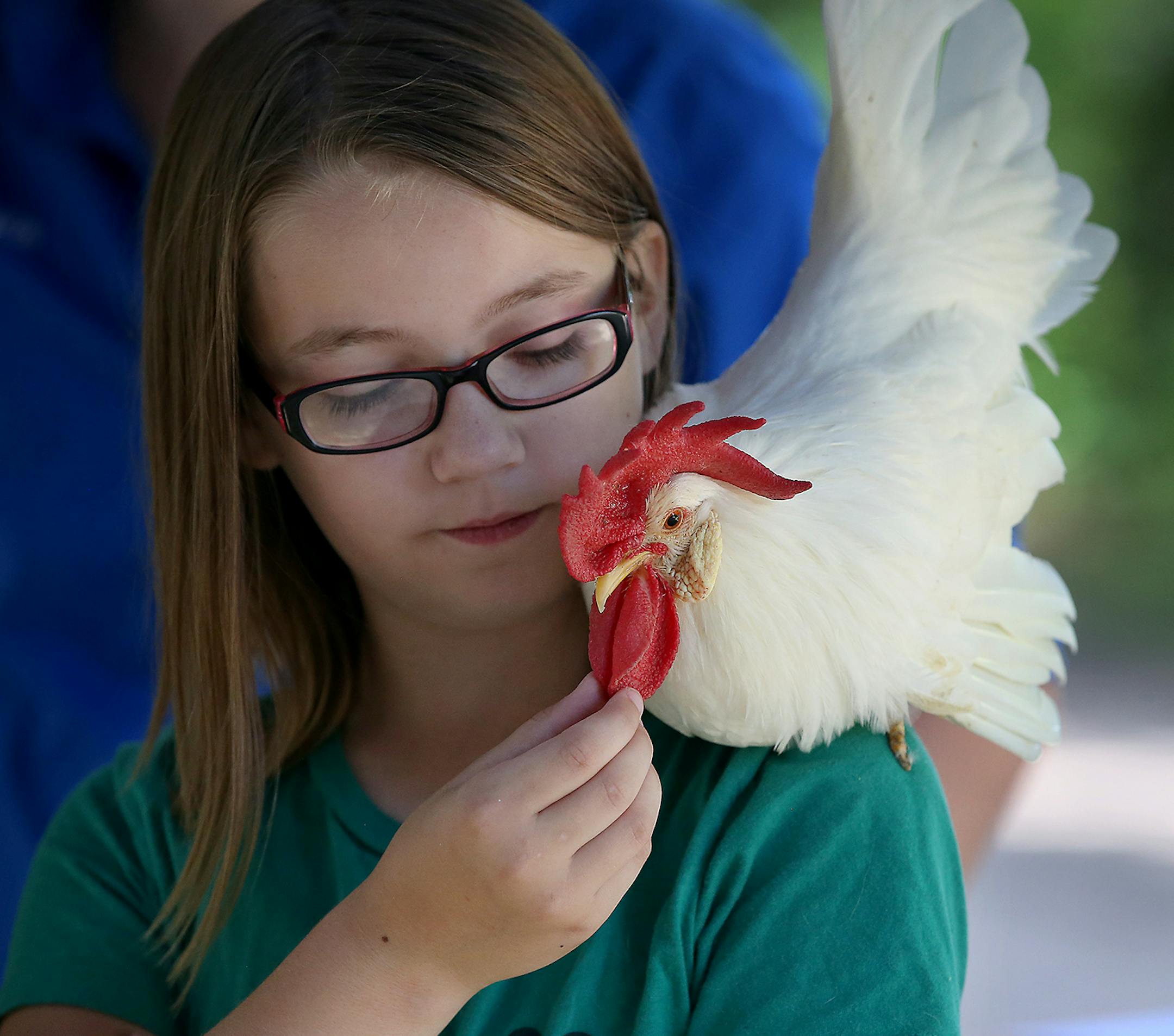
1:14The whiny "baas" from the sheep in the barn next door sounded like a crowd booing in the distance. Normally, their complaints would fall silent amid the laughter of the birds — the giggles, cackles, honks and quacks of the winged creatures drowning out the bleats and snorts from the mammals nearby at the Isanti County Fair. But this year, all the birds had to stay home.
When avian flu swept through the heartland this spring, poultry-rich Minnesota was particularly hard-hit. And not only commercial farmers had to pay the price. The state Board of Animal Health issued a directive in May banning all birds from this summer's fairs — a restriction unlike any in recent memory.
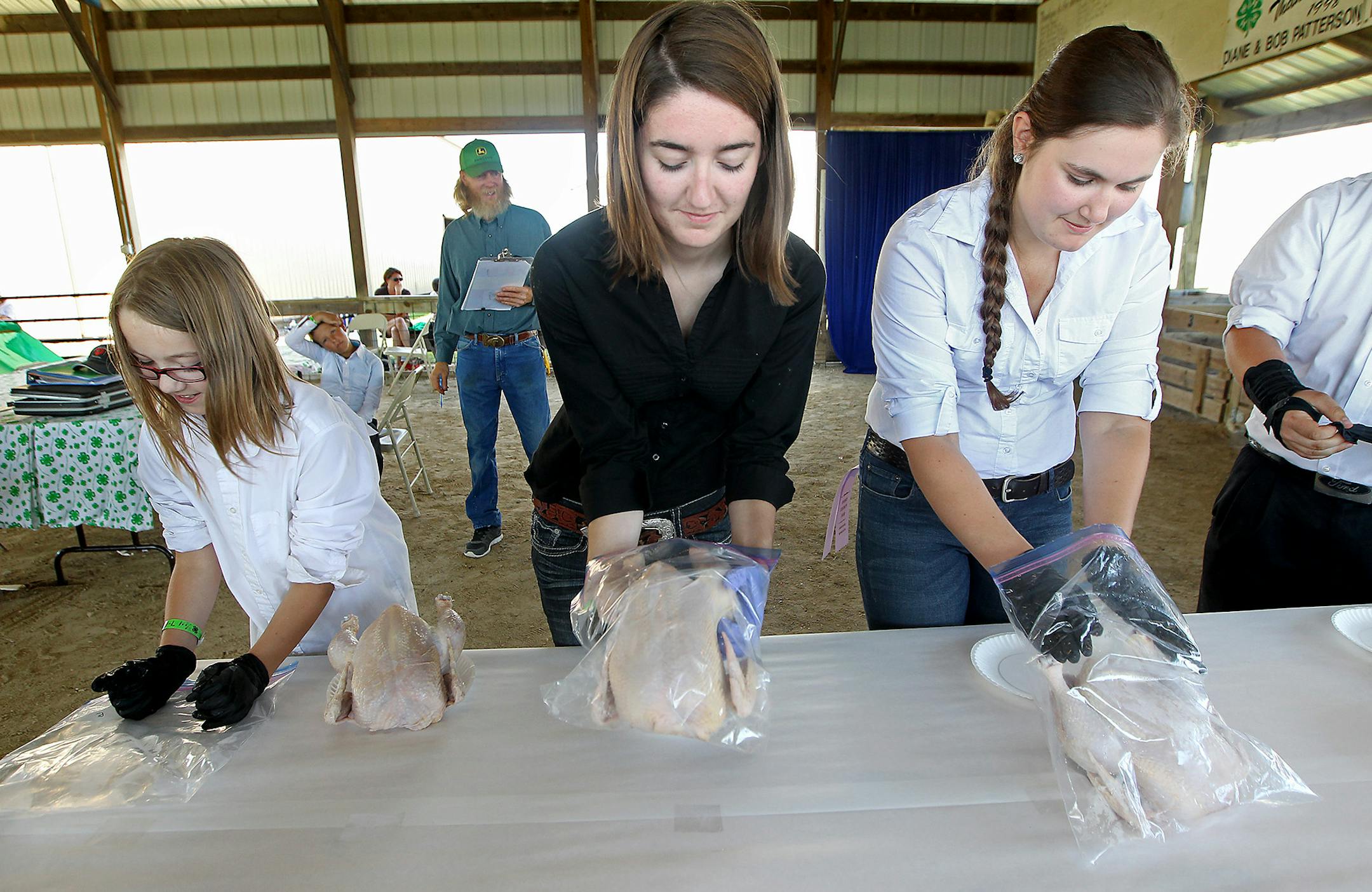
As county fairs roll out across the state leading up to the State Fair at the end of this month, children who raise and study poultry for 4-H competitions are scrambling to find creative ways to stay involved. Instead of bringing birds to the fairs, they are making posters, taking quizzes, demonstrating showmanship based on pictures or using stuffed animals.
There also will be grilling and carcass competitions. "We're going to have hundreds of grills lined up outside next to the coliseum," said Wendy Huckaby, University of Minnesota Extension Center for Youth Development spokeswoman.
In other words, the only bird you're going to see at the State Fair is going to be a toy one or a dead one.
And it's not happening just in Minnesota.
At least 10 state fairs have banned birds this year, said Marla Calico, chief operating officer of the International Association of Fairs and Expositions, a member organization that has consulted with state and county fairs on how to revamp their poultry programs without the poultry.
At the Isanti County Fair, Nicole Mellum watched her 6-year-old son, Tanner Kafer, answer a judge's questions and beamed as he posed for a photo with a stuffed chicken. But she wasn't happy about the ban.