This is a guest blog post by Joe Westerlund, a home inspector at Structure Tech.
"Is there water pouring through your ceiling?"
When I was working as a plumber, this was my occasional attempt at humor when answering a call from someone I hadn't heard from in a while. Unfortunately for them, the answer was "yes" more than once. Along with electrical work, I think plumbing is one of the areas of home repair that many people feel the least comfortable with. Everybody loves indoor plumbing, except when water is running through a light fixture below their upstairs bathroom.
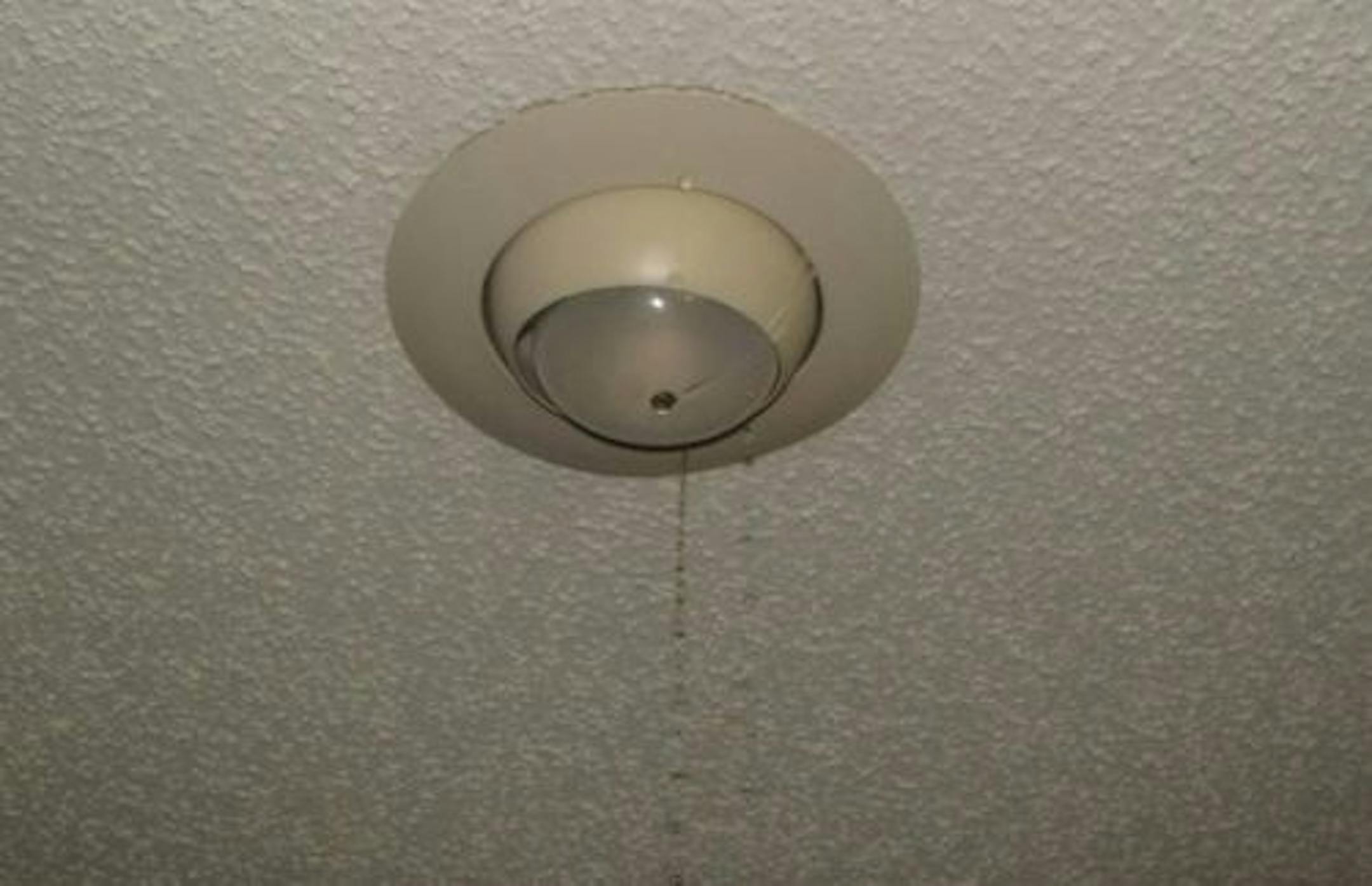
Water leaks and water backups can occur in many places throughout the home. Some of the most likely areas are around water heaters, boilers, sump baskets, lift stations, washing machines, dishwashers, and HVAC equipment with condensate drains.
In an effort to reduce screen time for your kids, you could try to have them stand guard and watch for leaks. A more realistic and reliable way of monitoring these areas would be to install battery-powered, water sensor alarms, such as the Instapark water alarm, pictured below.
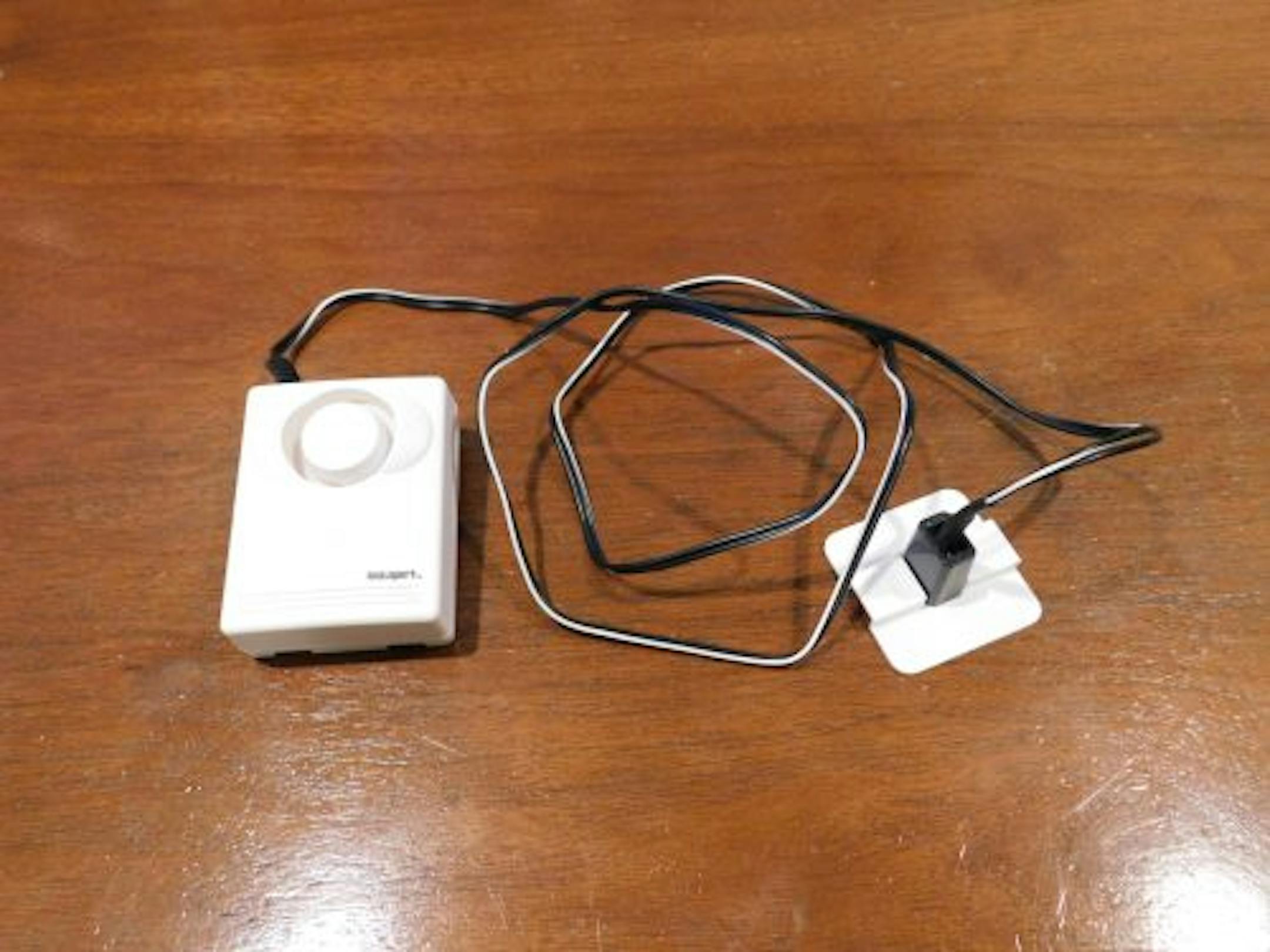
These types of devices can be purchased for as little as $10 - $15 apiece, or even less for a 3-pack on Amazon. They typically have a wired sensor with pairs of contacts that, when connected by the presence of water, emit a loud alarm.
If you're willing to spend a little more money, there are versions of these water sensor alarms that can be linked with smart devices so users can be notified if the sensors detect water via an app. Leaks don't always happen catastrophically with a deluge, they sometimes begin with a drip, and early warnings to these sorts of leaks can help prevent considerable damages. Google "wifi water alarm" to find a large variety of them.
What if nobody's home?
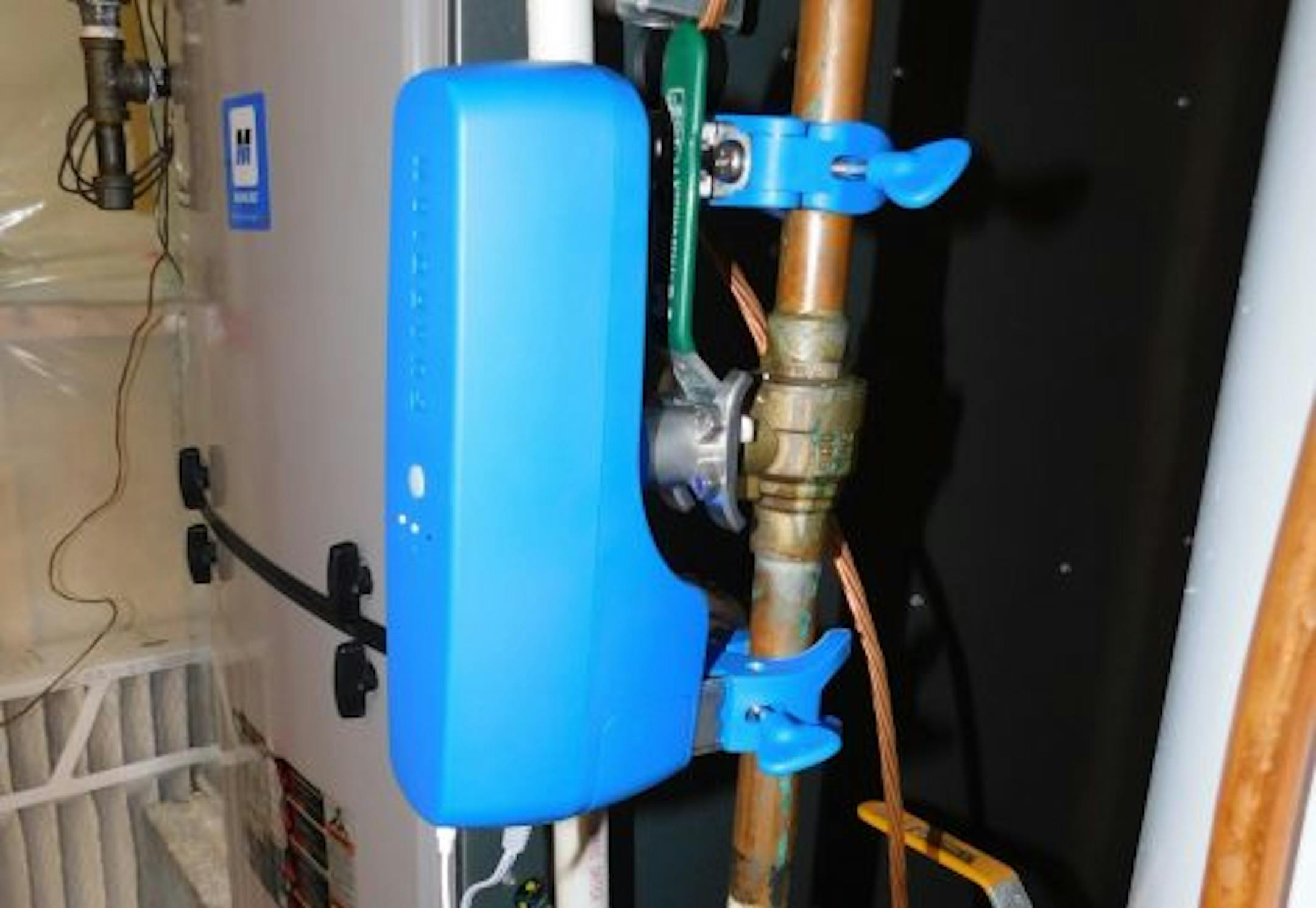
A more complex, expensive, and sure-fire version of these water sensor alarms work in conjunction with a smart, main water valve or a motor that mounts on the main water valve. These systems range from $350 - $900. When connected to your home internet, this type of system can shut off the main water supply to the home if water or low temperatures are detected at one of the water sensors. Again, these systems work with an app that gives the user info regarding which sensor was alerted and what position the main valve is in.