

Donald Trump called his supporters the "silent majority" and the "forgotten man and woman" in the 2016 campaign.
Hillary Clinton called them "deplorables."
Talking heads and commentators, lacking any sense of reality or civility, use words like "racist," "bigots," "idiots," "homophobes," "misogynists" and the like to describe nearly half the country that voted for Trump.
But is this simply a case of sore losers suffering mightily from Trump derangement syndrome, still in denial at Clinton's unexpected loss, or is there something bigger at work? Is the silent majority a U.S. phenomenon, or are we seeing the first skirmishes of a working- and middle-class revolution against political elites developing here and abroad?
In Britain, anti-Brexit forces dubbed the working- and middle-class voters who favored a British pullout as "leavers" or, more pejoratively, "Brextremists." Many in political and media circles expected "reason" would prevail in the hotly contested Brexit vote and were sorely disappointed with the results.
Today, much like their Democratic counterparts here, the pro-E.U. forces are still hoping to somehow overturn the Brexit vote that shocked the European elite who simply couldn't imagine that a majority of Brits would vote to opt out of the European Union.
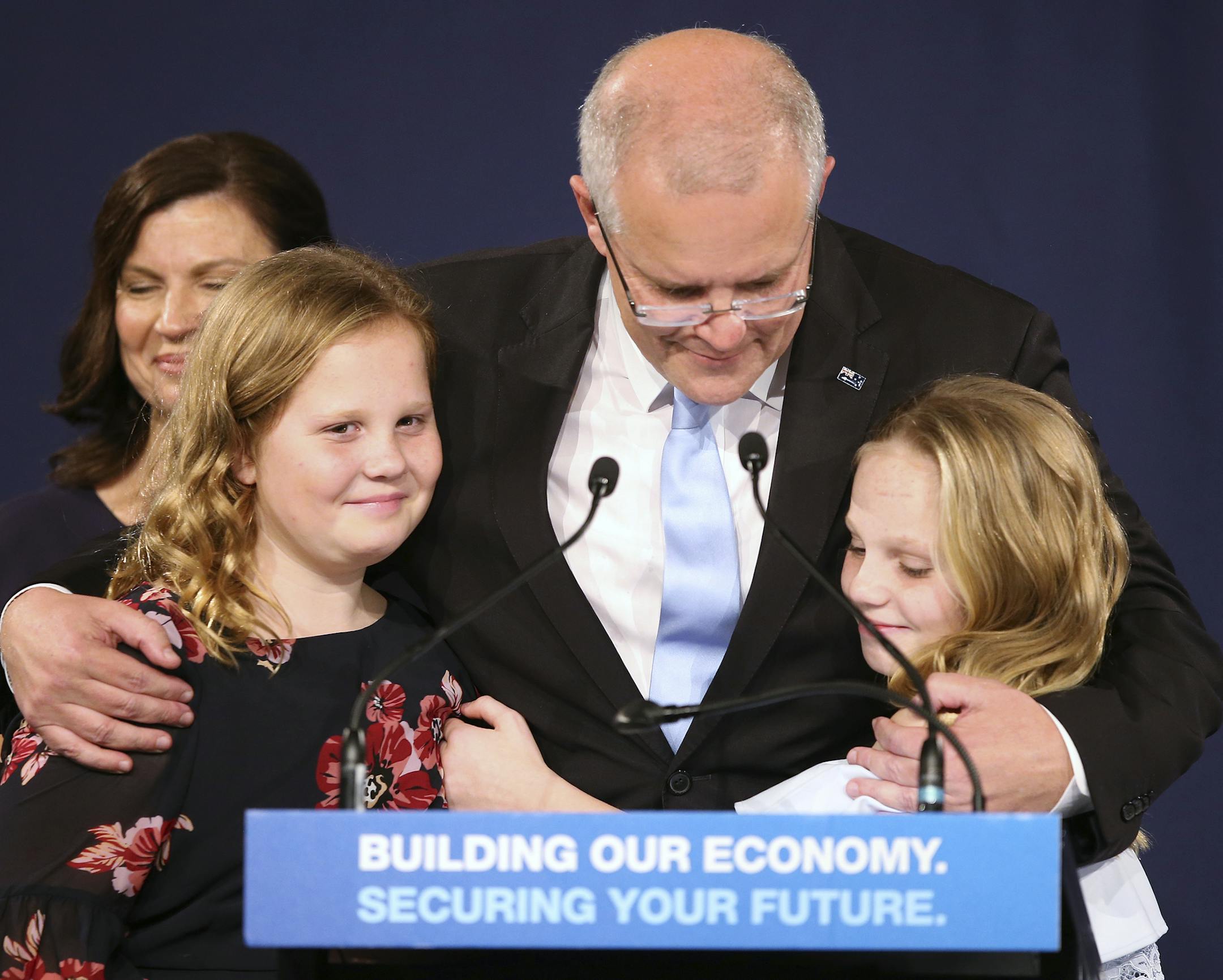
And now, in Australia, we have yet another example of the silent majority surprising the political experts who remain in shock over conservatives' win in the Australian elections last week. Down Under, they call those voters the "quiet Australians," with some Labor supporters taking a page out of Hillary Clinton's playbook and calling conservative voters "dumb," among other things, in the days after.
Once again, the political elite were gut-punched when media pundits, a part of the elite themselves, missed the growing unrest and waning patience of working- and middle-class voters with the Labor Party's leftist agenda, heavy on climate change and light on economic opportunity.


