For a man of his time, artist and naturalist John James Audubon was extraordinarily well traveled.
Born in 1785 in what is now Haiti, he grew up in France, settled near Philadelphia, then embarked on a painting career that took him down the Mississippi to New Orleans, from South Carolina to the Florida coast, north to Labrador looking for seabirds, along the Gulf Coast to Texas for shorebirds, and finally up the Missouri River in pursuit of the "viviparous quadrupeds" that made up his last work.
All that lifelong roaming was in search of birds, and later mammals, to sketch, measure and paint in what became one of the most celebrated and glorious records of a continent's bounty. Scorned at first by American naturalists, Audubon was acclaimed in Europe, especially Scotland and England, where his most famous work, "The Birds of America," was published between 1826 and 1838.
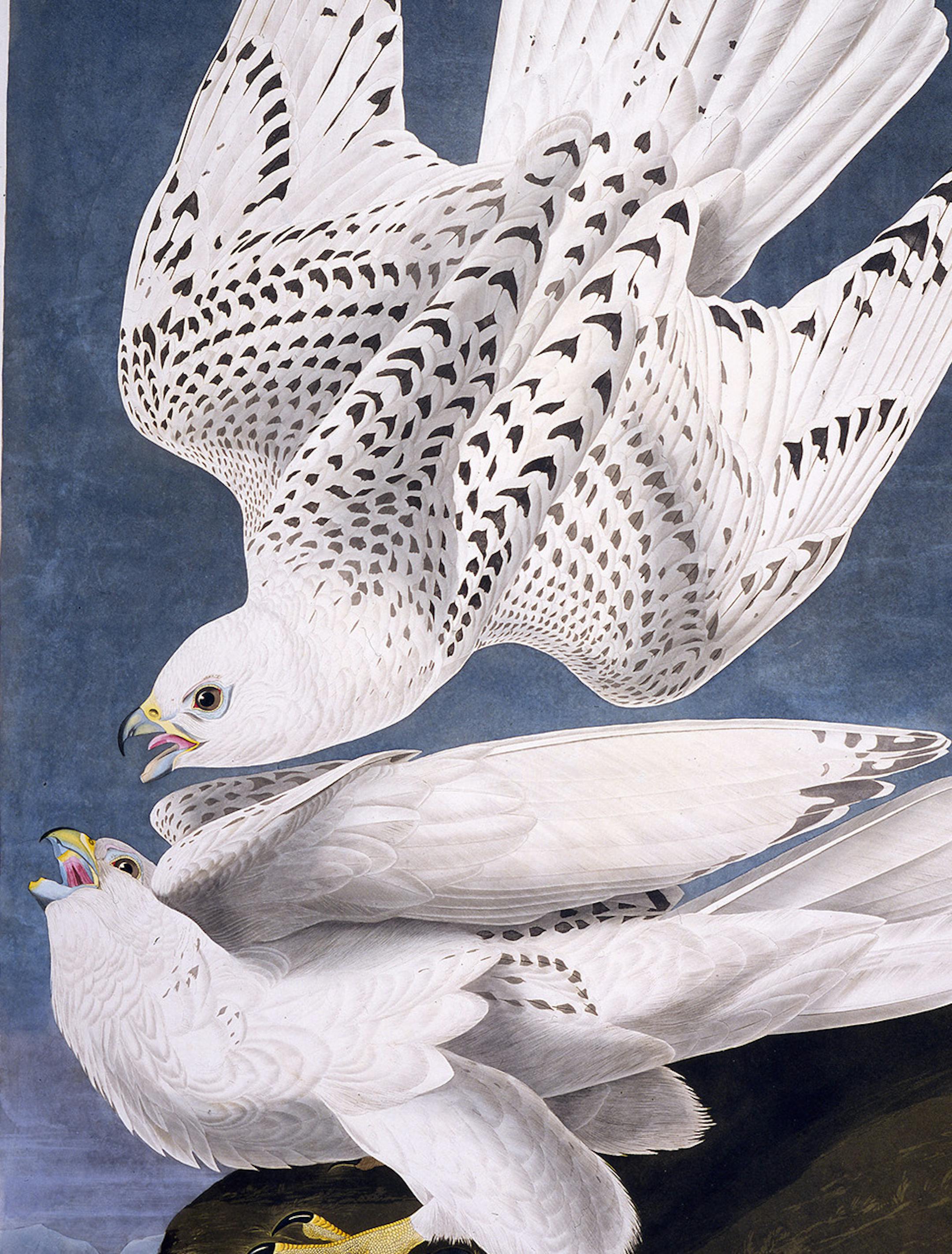
Selections from an original copy of that landmark tome are the highlight of a lush, informative and immensely pleasurable exhibit opening Saturday at the James Ford Bell Museum of Natural History on the University of Minnesota campus. "Audubon and the Art of Birds" runs through June 8, but will be presented in two sequential parts. Because the Audubon images are highly sensitive to light, 35 will be shown through Jan. 19, and a different 35 in the second half of the show running Feb. 1 to June 8.
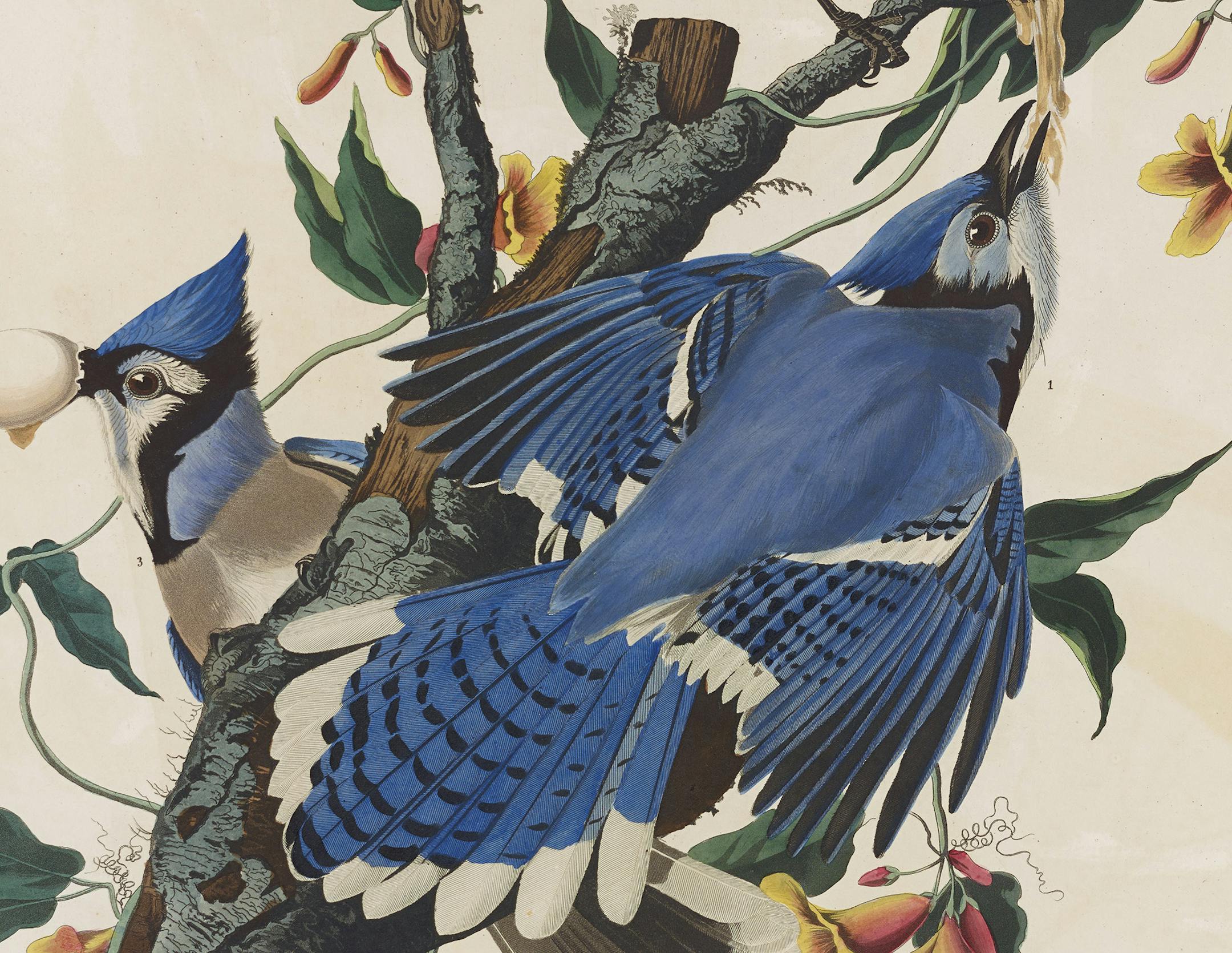
In a fun touch, occasional bird calls and twitters animate the gallery air, a challenge for serious birders to match them with portraits of the birds in question. There's also a video about Audubon and an opportunity for budding artists to try their hand sketching a taxidermied blue jay, posed as the master drew it in a nearby image.
Birds from Renaissance to now
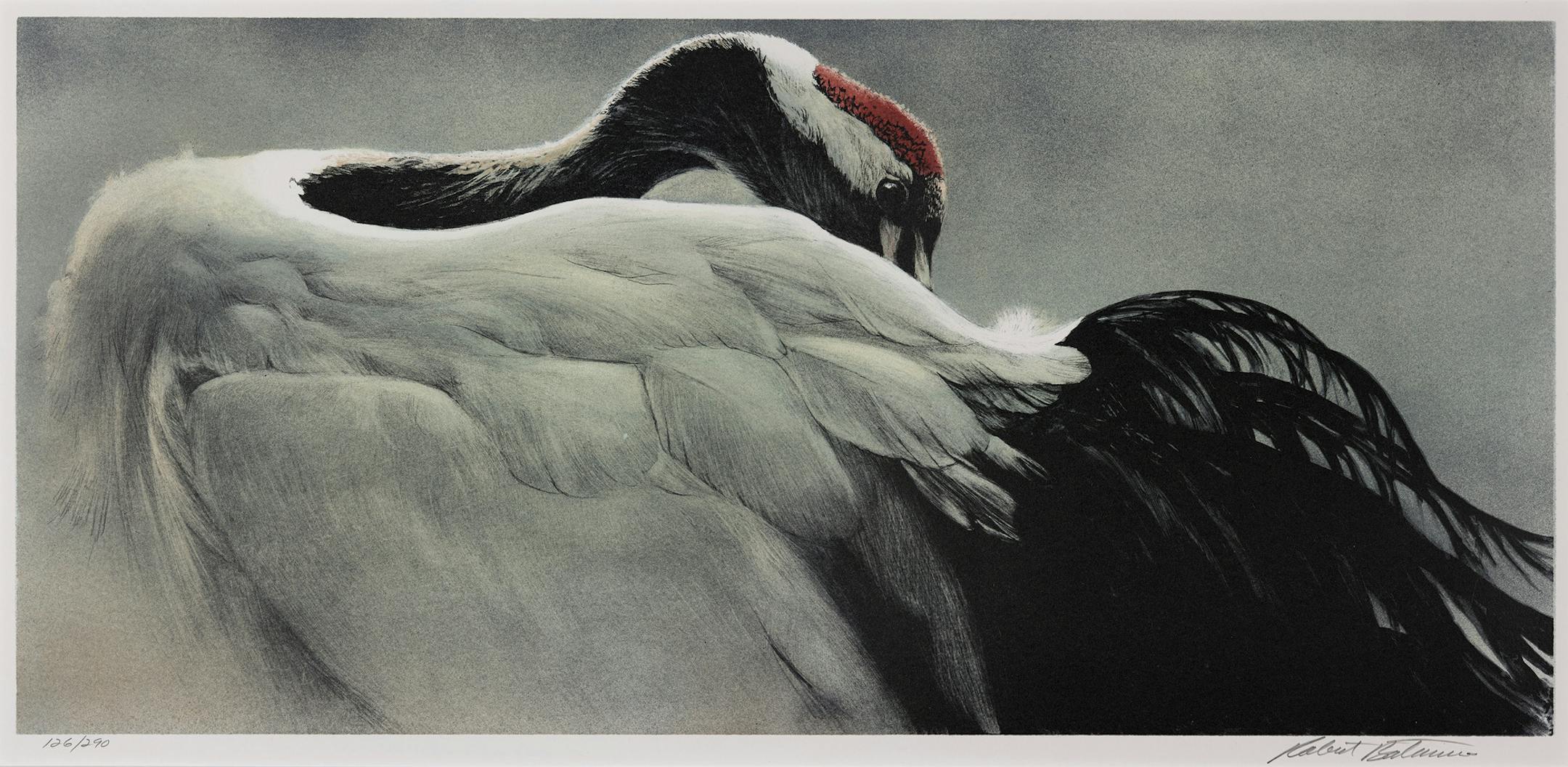
Besides Audubon's hand-tinted engravings, all recently cleaned and restored, the current display includes bird woodcuts, etchings and paintings dating from the 1580s to the present by many of the leading naturalists of every era.
Engagingly organized by Bell curator Don Luce, the art follows a loose chronology starting in the age of exploration, when artist/scientists began to describe and catalog the world. The images were stiff at first, generally profiles based on taxidermied carcasses, menagerie specimens or even just descriptions from explorers.
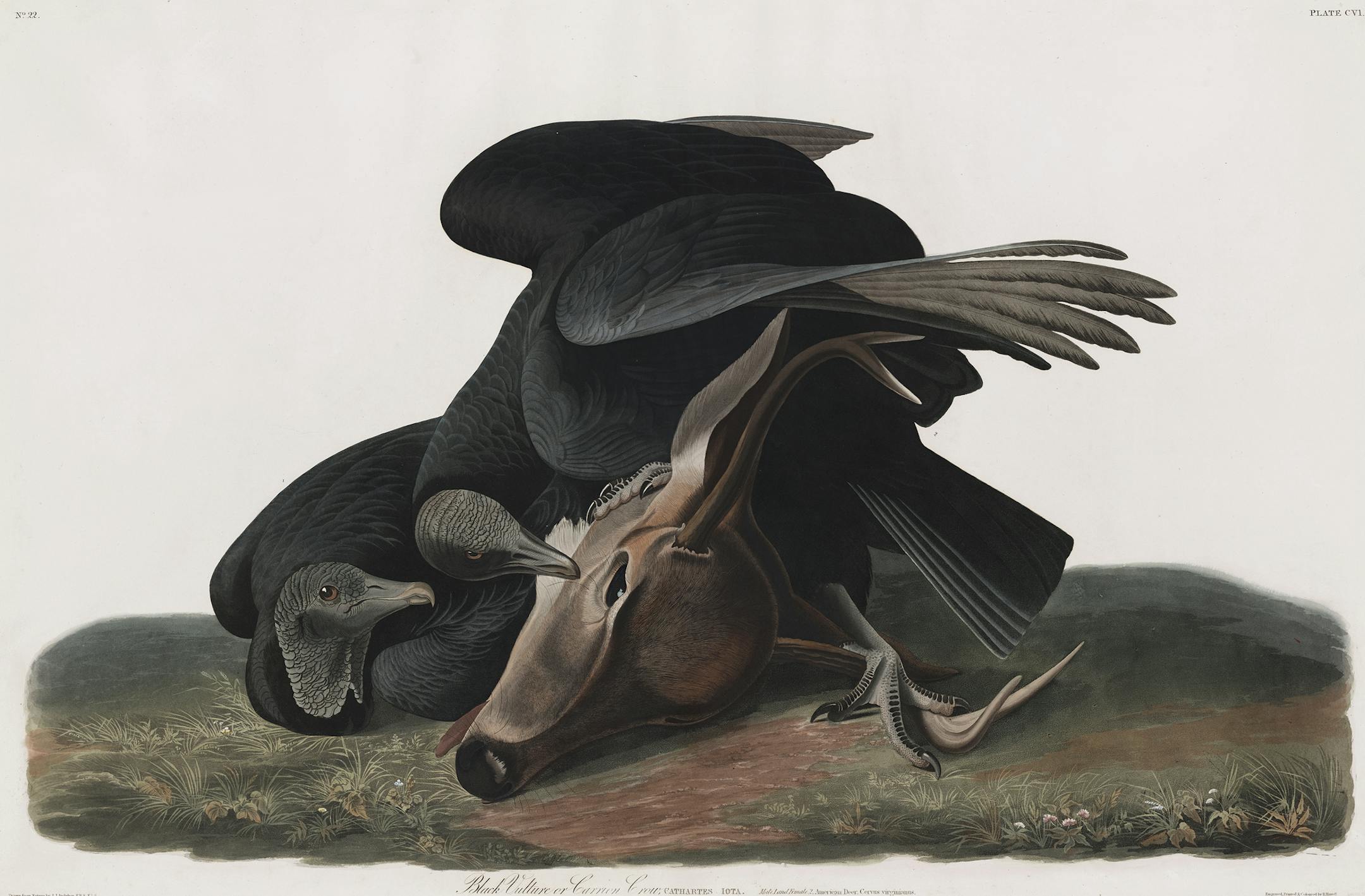
Sections flow together and encompass such topics as the beauty of birds, which highlights brightly plumed parrots and toucans; birds in their ecosystems, including paintings of camouflaged birds almost lost among shore grasses; and a dramatic section about life-and-death struggles in the avian world. The latter includes Audubon images of black vultures about to pluck out the eye of a dead deer and a golden eagle in awkward flight clutching a white rabbit as blood streams from the bunny's eye.