
Attorneys for Minneapolis serial killer, now dead, seek to clear his name

Billy Glaze, who died in prison in 2015, was convicted of murdering three woman in 1989.

May 9, 2017 at 9:08PM
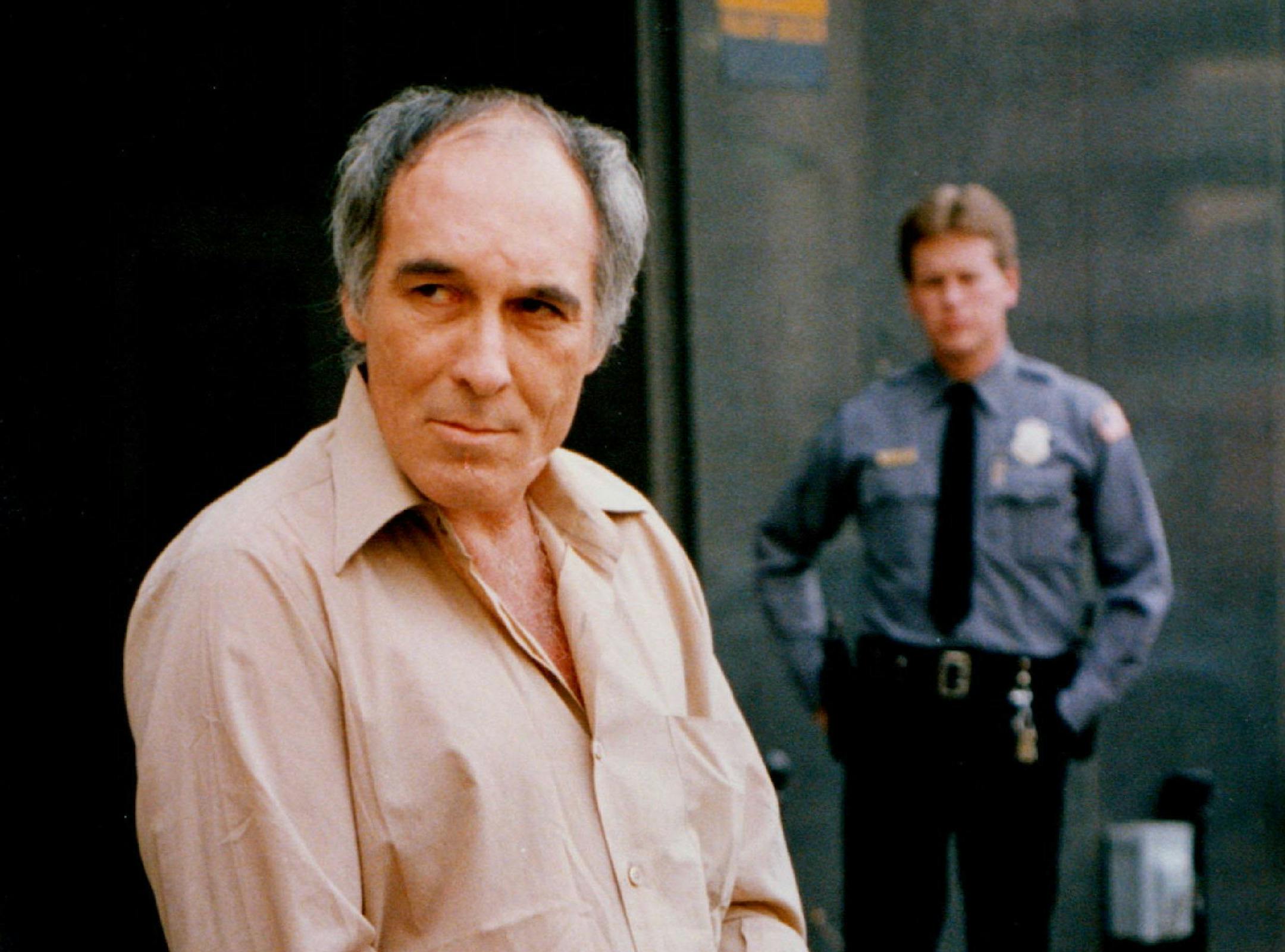
Billy Glaze, pictured in a 1988 file photo, walks out of the Federal building in Minneapolis.
Billy Glaze, pictured in a 1988 file photo, walks out of the Federal building in Minneapolis. (Colleen Kelly — Star Tribune file/The Minnesota Star Tribune)

Convicted 1980s serial killer Billy Glaze died amid efforts to exonerate him with new DNA evidence, but his name still deserves to be cleared, his attorneys are arguing to the state's highest court.

In an appeal filed Tuesday with the Minnesota Supreme Court, Glaze's attorneys contend that the public has an interest in learning whether the justice system worked fairly, and say that law enforcement should find the real killer in the murders of three American Indian women in Minneapolis.

Glaze, who long maintained his innocence, died at 72 of lung cancer in December 2015. He had been incarcerated for 28 years for the high-profile crimes.

In 2014, his attorneys presented a district court with DNA evidence that wasn't available decades earlier, saying it pointed to another man who is a convicted rapist and that no physical evidence linked Glaze to the murders. They asked for a new trial.

Prosecutors in Hennepin County said they were confident that they had the right man, though, and argued that a new trial wasn't needed.

A district judge found that Glaze's attorneys hadn't yet proven his innocence with the evidence they had introduced, leaving no "live controversy" to be resolved, and denied the request for a new trial. By then, Glaze was dead.

Glaze's attorneys say the case against him was riddled with circumstantial evidence and false statements.

In 1989, a jury found him guilty of first- and second-degree murder in the bludgeoning deaths of Kathy Bullman, 19; Angeline Whitebird-Sweet, 26; and Angela Green, 21. All were found nude or mostly nude with their bodies positioned in ways that suggested they were victims of a serial killer.
The cases prompted intense media attention and public outcry, including allegations that police hadn't been aggressive in investigating crimes against American Indians.

Attorneys looking at the case decades later found that DNA of sperm collected from one victim's body excluded Glaze but matched the other man they put forward as a suspect. DNA testing of a cigarette butt that had been collected near another victim's body did the same.

Prosecutors said they cooperated in reviewing the case when the DNA was presented, but that case evidence overwhelmingly pointed to Glaze.

Glaze's attorneys, including some from the Innocence Project organizations in Minnesota and New York, contend that establishing his innocence has statewide significance.

"Lessons cannot be learned, future wrongs cannot be prevented, and the actual perpetrator ultimately imprisoned, by sweeping what happened under the rug simply because [Glaze] died awaiting a ruling," the defense attorneys wrote.

Glaze's family "and the families of all of the victims deserve to know the truth," they added.

Pam Louwagie • 612-673-7102

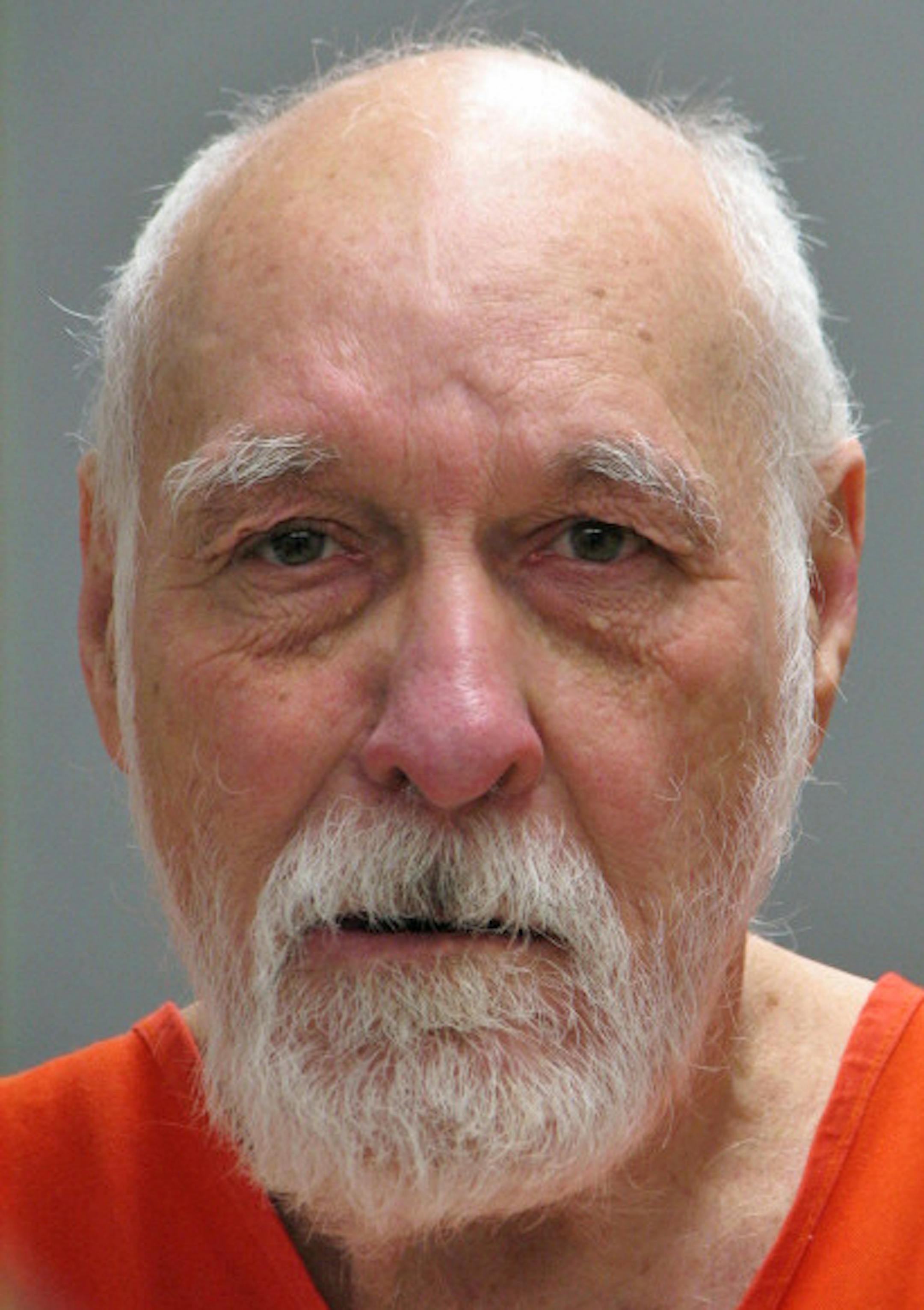
Billy Richard Glaze, DOB 7/13/1943. Photo: Delaware Dept. Corrections
Billy Glaze (The Minnesota Star Tribune)
about the writer

about the writer

Pam Louwagie

Reporter

Pam Louwagie is a regional reporter for the Minnesota Star Tribune. She previously covered courts and legal affairs and was on the newspaper's investigative team. She now writes frequently about a variety of topics in northeast Minnesota and around the state and region.

See Moreicon