

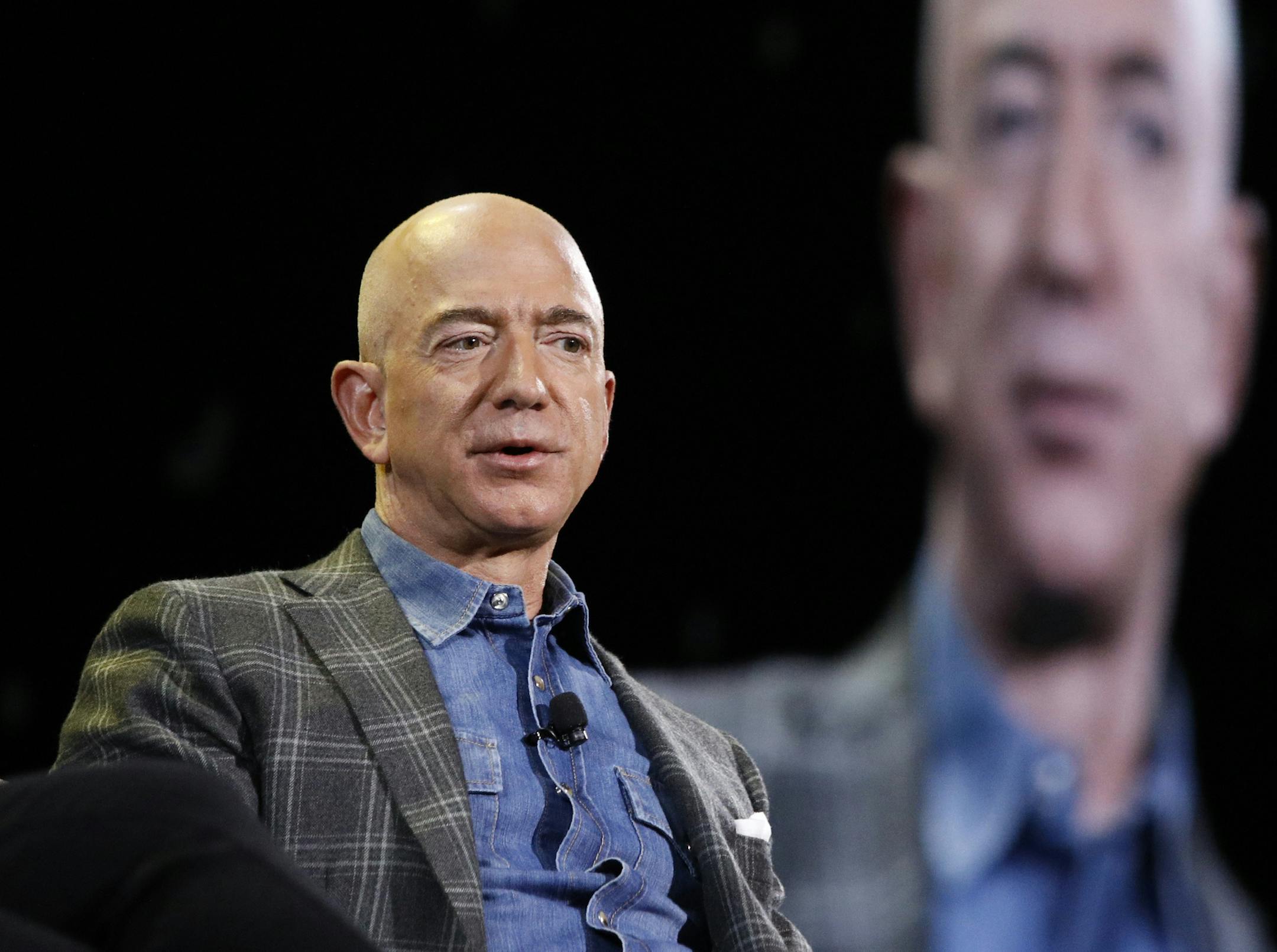
Asked to diagnose a suspected cyberattack on an iPhone owned by Amazon Chief Executive Jeff Bezos, forensics experts detected a massive spike in data being siphoned from the device hours after he received a WhatsApp message from a Saudi royal.
The malware behind the hack remains a mystery. But it's clear Bezos was hit by a potent combination: advanced code, capable of grabbing gobs of information quickly, along with an encrypted delivery system that helped it evade detection.
Over the past decade, spyware has gained wider acceptance, become more lucrative and, when transmitted via encryption, increasingly effective. It has evolved from a surveillance tool available for download on the dark web, often by consumers seeking to pry into a partner's private life, into a pricey product passed off as a way for law enforcement to root out illegal behavior.
The market for mobile surveillance technology is valued at about $12 billion and remains less than 10% penetrated, according to Moody's.
The alleged attack on Bezos would be one of the most high-profile examples of spyware being used by government officials against an individual, and it has elicited calls for greater regulation of the industry.
The two United Nations experts — Agnes Callamard, U.N. special rapporteur on summary executions and extrajudicial killings, and David Kaye, U.N. special rapporteur on freedom of expression — said they want a moratorium on the sale and transfer of surveillance technology from private companies.
They also called the allegations involving Bezos's phone "a concrete example of the harms that result from the unconstrained marketing, sale and use of spyware."
"Surveillance through digital means must be subjected to the most rigorous control, including by judicial authorities and national and international export control regimes, to protect against the ease of its abuse," they wrote in a report released recently.


