After traveling more than 1,000 miles, five frozen bison embryos arrived in Minnesota by airplane last week.
They started out in Yellowstone National Park, made their way to Colorado State University in Fort Collins and finally the Minnesota Zoo in Apple Valley. Hours after arriving, they were implanted in the zoo's four bison cows.
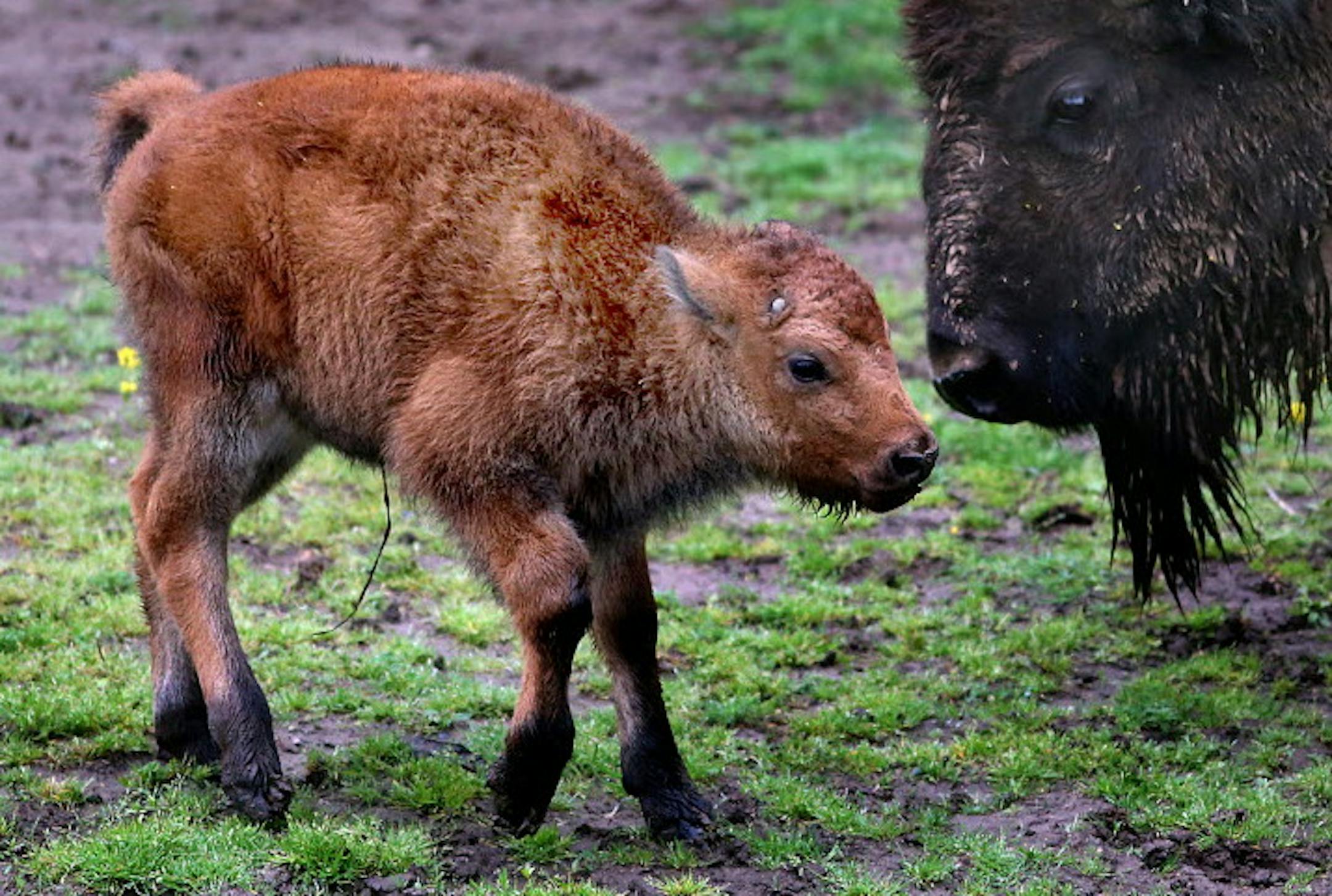
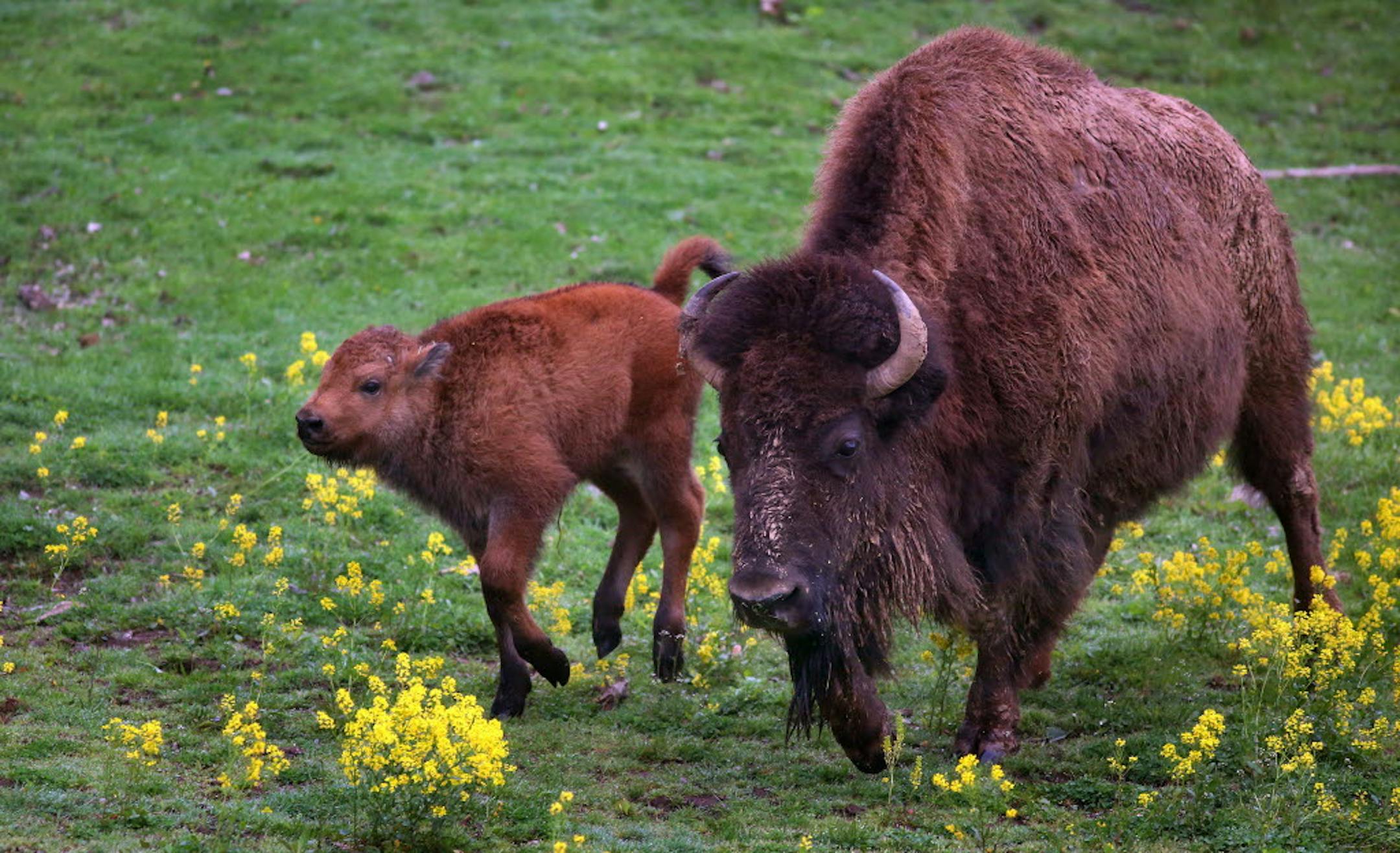
If all goes according to plan, there will be bison calves at the zoo next spring.
"If this project is successful and a Yellowstone bull calf is born at the [zoo], he will be widely used in the future within the Minnesota Bison Conservation Herd to spread his valuable genetic material," said Tony Fisher, director of animal collections, in an e-mail.
North American bison once numbered in the tens of millions, but hunting drove the number down to fewer than 1,000 by the late 1800s. The zoo partnered with the Minnesota Department of Natural Resources (DNR) in 2012 to build a herd of 500 genetically pure bison — part of a state-mandated effort to restore the animals to Minnesota prairies.
It's one of many efforts across North America to restore bison. It's also one part of the zoo's work to conserve species, from prairie butterflies to Asian wild horses.
Though the number of North American bison has recovered somewhat, most are not genetically pure. Mixed with cattle, they've lost some of the traits that help them survive on the prairie. According to the zoo, it's estimated that less than 1 percent of American plains bison in the world have tested free of cattle genes.
"We think that bison that are best adapted to survive over the long-term will be those animals that have the genetic makeup of a wild population," said Ed Quinn, natural resource program supervisor at the DNR.