

I had a pretty crummy bike in high school. Despite that, I would religiously lock it up with a good bike lock when I went swimming at the community pool. I had learned from an early age to take care of what was mine. I went to my locker at the pool only to discover the key to my bike lock was taken. I ran to the bike rack and it was gone — not my bike, but my bike lock! The bike sat unchained as the thief assuredly used my lock to protect what was his or hers.
In financial planning, this concept of needing to "protect what is mine" is a limiting assumption. Whether it's our nest eggs, our children or our property, we can manage what we have, but we can't really protect it. Instead, we need to think about what assumptions we are making that limit us and get in the way of good decisions.
Many clients come into our office with the unstated, but limiting, assumption that "I want my kids to have what I have." This usually leads to bad decisions.
For example, one of our clients was exploring helping their struggling child to buy a home. While a home may have served as a touchstone for this client, it will be an anchor that could sink their child. The home could prevent their child from pursuing other opportunities in other cities, it could lock them into a community that they may not be able to afford on their own, it could create ongoing carrying costs that the child is ill-prepared to cover and it may rob them of their chance to achieve their own seminal milestone.
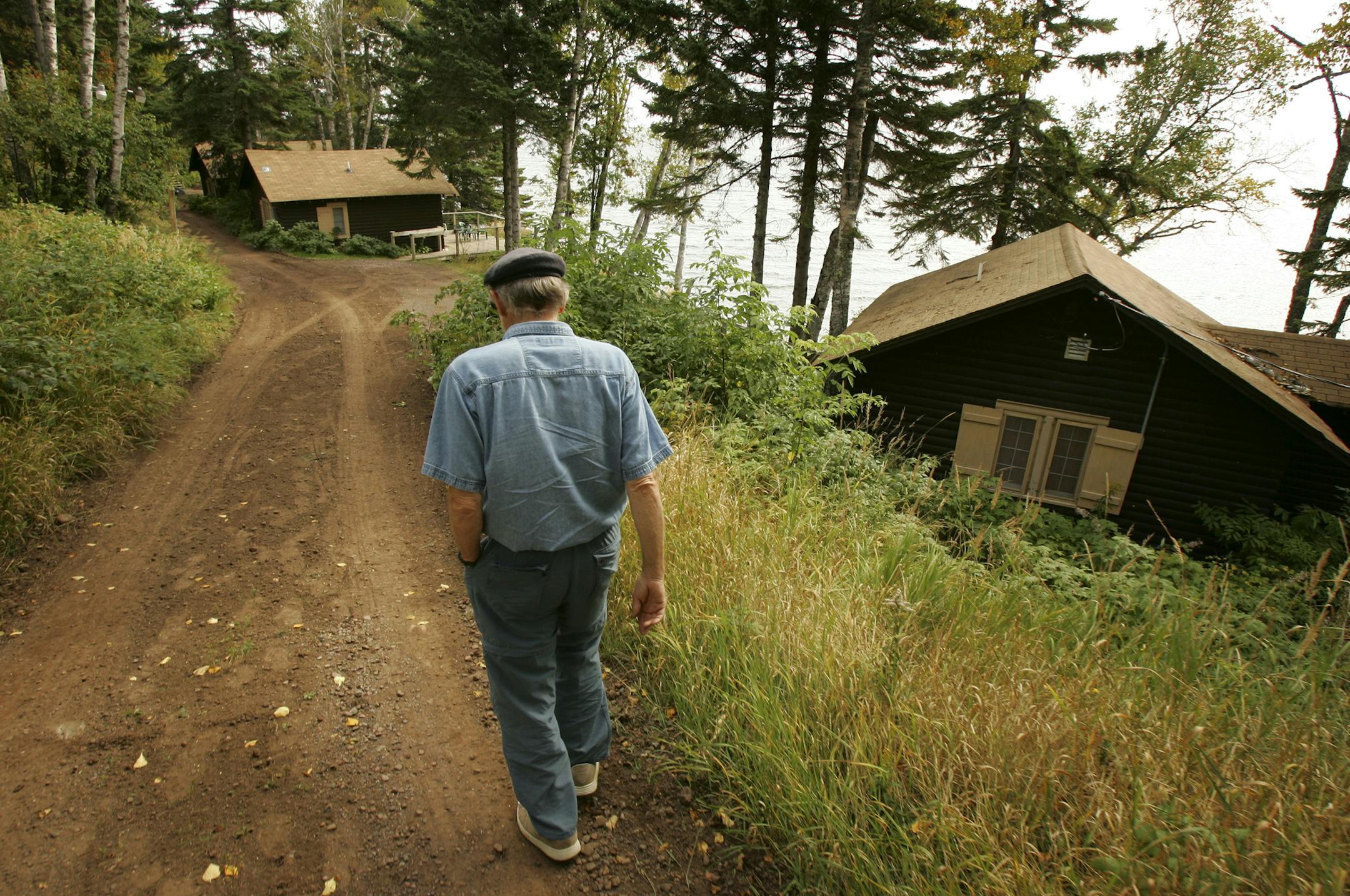
Your kids cannot have what you have because they followed a different path than you did. What you have is not just your things, it is your experiences that led you to those things. One of the most contentious things for children to inherit is their family cabin. For the parents, the cabin represents a lifetime of memories and experiences. While the kids may share some of those memories, they may not share the resources to maintain the cabin. If a couple of children are involved, they probably don't share the unwritten agreements that all cabin owners have regarding upkeep and time spent. The children's partners certainly haven't had the same experiences with the cabin. An interesting question to ask may be, "If we were not around, would our kids on their own choose to buy a cabin together?"
The children, though, may also be harboring a destructive assumption. They believe that the parents really want them to keep the cabin. The cabin represents what the parents want for their kids — family time, an ability to unwind, a chance to pass down stories. It isn't the actual cabin, it's the opportunities the cabin creates. Rather than make the choice for your children, let them know that you believe they will make a good decision for themselves. What if only one child wants to keep the cabin and they are not in a position to afford it? Unfortunately, they probably shouldn't own it.
Change the limiting assumption of "I want the children to have what we have" to "I support our children in the choices they make for themselves, even if the result is far different from what we experienced."
Another limiting assumption that we see with clients is their need to attain a certain dollar number in order to retire. "I need x amount of dollars to be fine." This assumption is limiting because it takes the focus off how you want to live and replaces it with a concrete dollar amount. You can't hard code a life that is forever changing. In over 30 years of financial planning, I have seen a lot of things that change for clients when they retire — their health, their interests, sometimes even their spouses and their portfolios.


