Rafael is about to finish his degree at Havana University, but his mind is elsewhere. The finance and economics he is learning are "what they use here in Cuba," he explains.
He is among the many young Cubans who respond to their crimped prospects not by agitating against the system but by plotting to escape it. Rafael (not his real name) does not oppose Cuba's communist regime, nor does he take much interest in it. So he is unexcited by a power shift that will make headlines around the world.
On Thursday, Raúl Castro plans to step down as president, bringing to an end nearly 60 years of rule by the family that led the country's revolution. Rafael thinks it is time for Castro to go, but says "it doesn't matter to me."
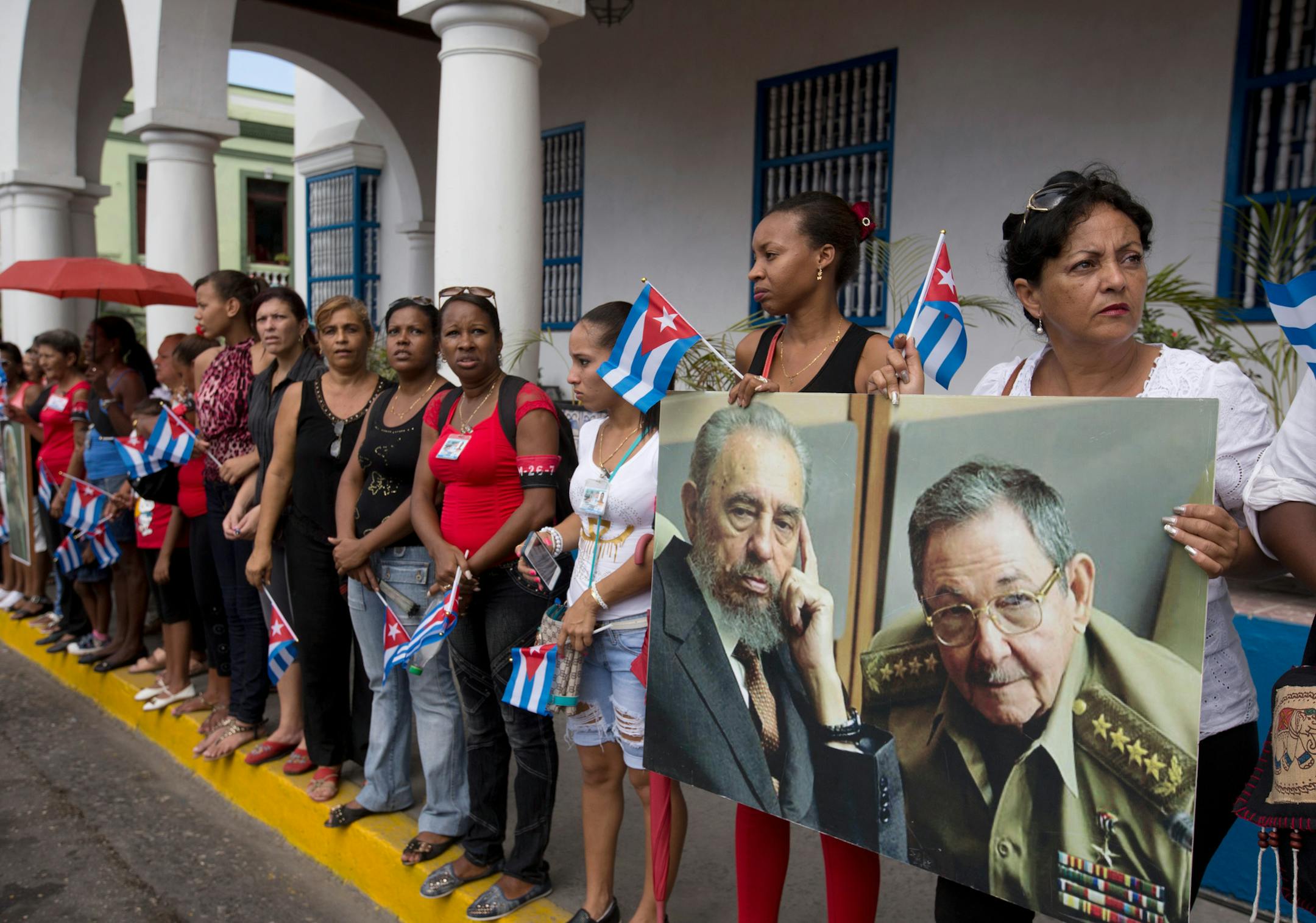
It will matter to most of Cuba's 11 million people, who have no easy way off the island. In a country where transfers of power are rare, the one about to occur is momentous.
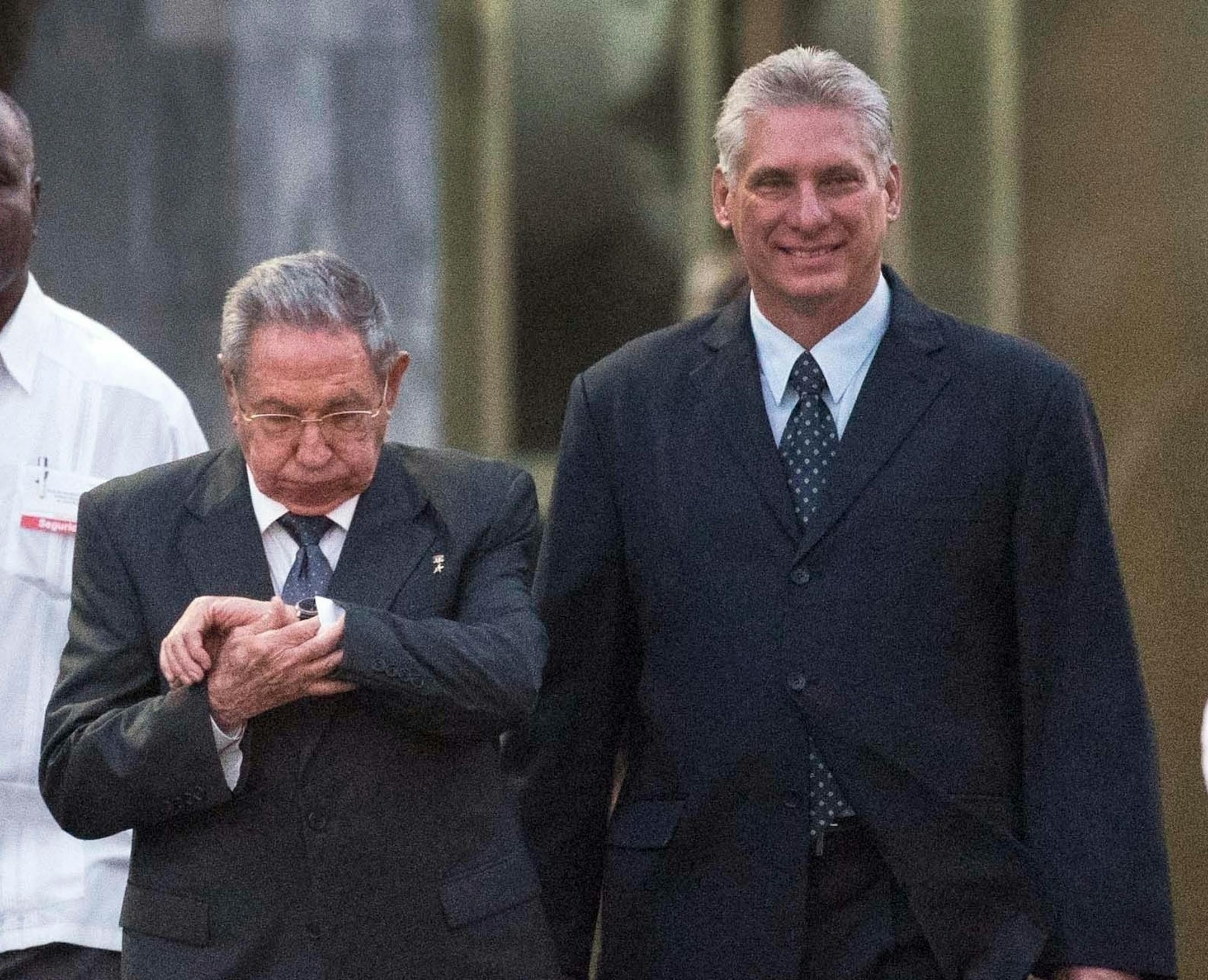
Castro, 86, is expected to hand power to the "first" vice president, Miguel Díaz-Canel. He had not been born when Raúl's brother, Fidel Castro, toppled the American-backed dictatorship of Fulgencio Batista in 1959.
The post-revolutionary generation will bring a change in style and raise Cubans' expectations of their government. It is unclear whether new leaders will meet them.
Díaz-Canel, an engineer by training, has acquired a reputation for modesty during his quiet three-decade ascent through government and the Communist Party. As a leader in his home province of Villa Clara in central Cuba, he rode around on a bicycle rather than in an official car. At the (one-party) parliamentary elections last month, he queued up with other voters and chatted to the press.
Díaz-Canel has sometimes seemed more liberal than other apparatchiks. He backed gay rights before it was fashionable. In 2013 he calmed a furor caused by the censorship of some student bloggers who were critical of the government. He met the students in front of the press and said that in the internet age "banning something is almost a delusion."