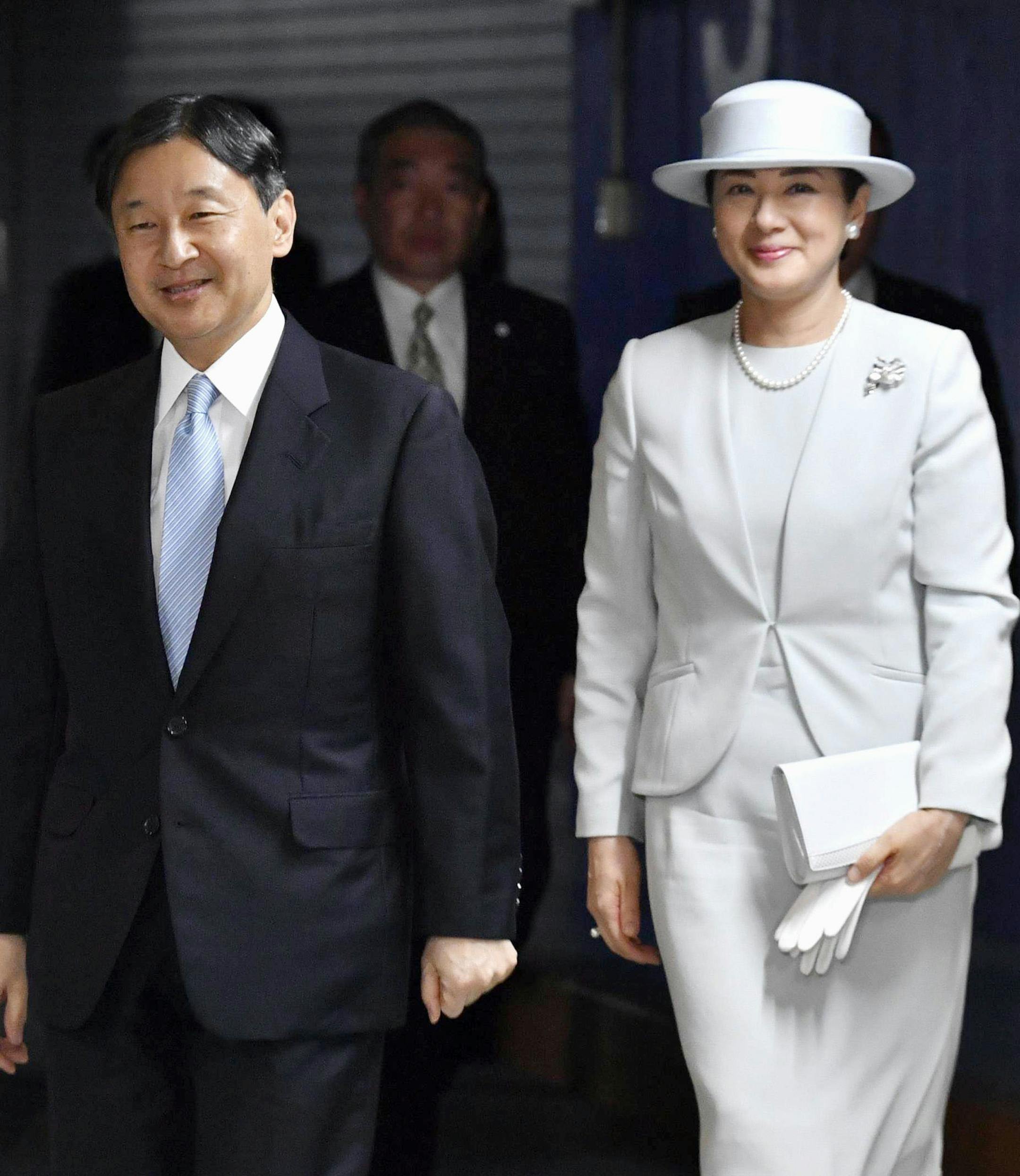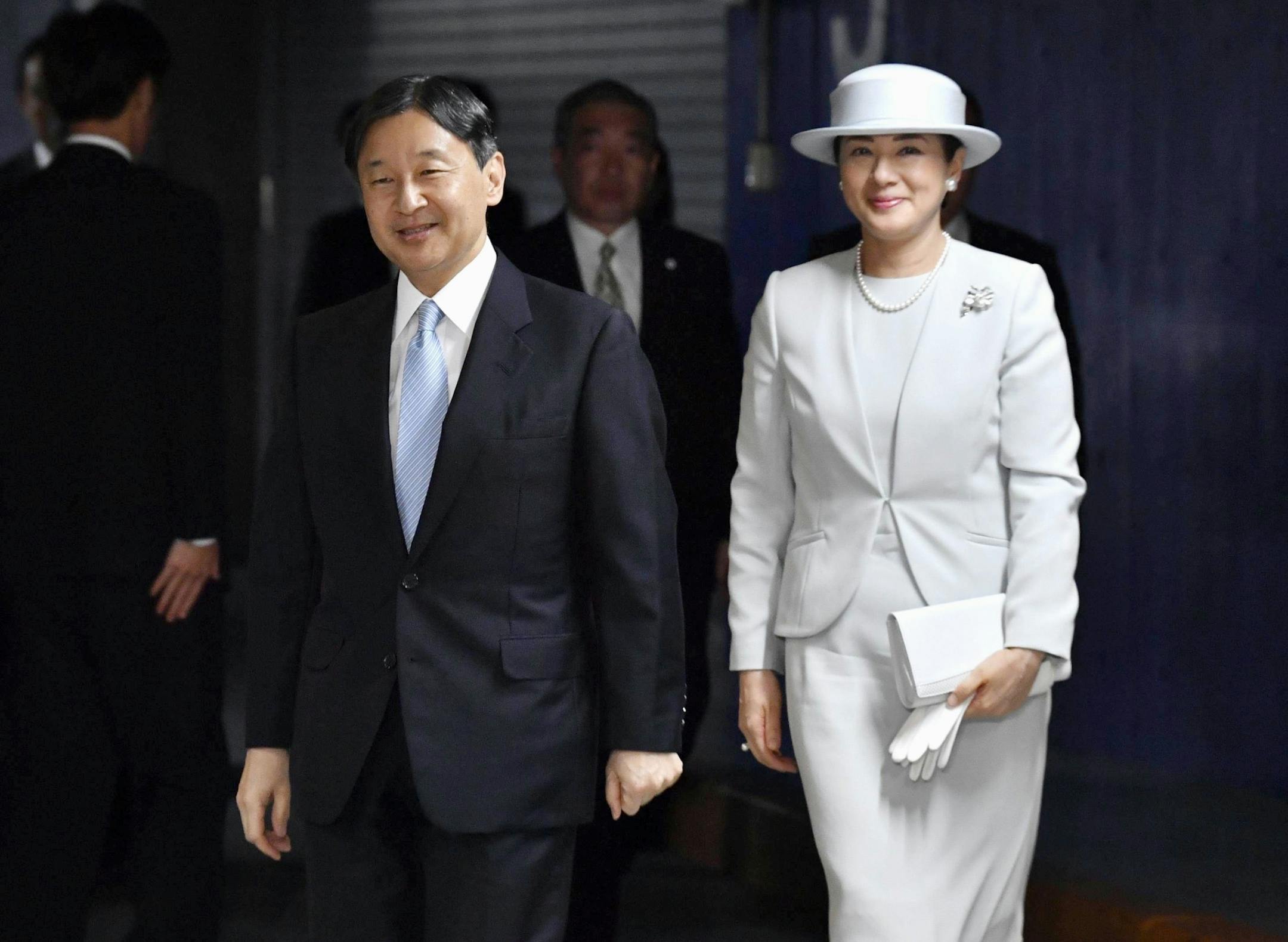
In his memoir, "The Thames and I," Prince Naruhito, as he was when he wrote it, recalls his brushes with greasy kippers and dingy pubs as a student at Oxford University in the 1980s.
He recounts how doormen at a disco turned him away because he was wearing jeans — not the sort of reversal a Japanese royal often experiences.
The two years that he spent at Merton College researching transport on the Thames river in the 18th century were perhaps "the happiest time of my life," he wrote.
Prince Naruhito became the 126th emperor of Japan in May when his father, Akihito, abdicated because of age and infirmity. He will be officially enthroned Tuesday, in a ceremony which the many grand guests, including the vice president of China and the prime minister of South Korea, will watch only by video monitor from another part of the palace.
At the conclusion, they will shout "Banzai!" (Literally "10,000 years!"; i.e., "Long live the emperor!")
The video link marks an improvement from April, when Emperor Akihito announced his abdication to the sun goddess, from whom he is supposed to be descended, in a ritual observed only by his son, Shinto priests and chamberlains.
Circumscribed civil servants
The life of Japan's monarchs is absurdly formal and arcane. Emperor Naruhito's cheery reflections on life in Britain nearly did not see the light of day.
The Imperial Household Agency, the bureaucracy that dictates what Japanese royals can and cannot do, did not want the book published because they feared it would invite familiarity and ridicule.