

There's something particularly detestable about political assassinations in America. They're anti-democratic.
Thankfully, the nation is not mourning the murder of a member of Congress this weekend. The shooter Wednesday morning at a baseball field in Alexandria, Va., did not kill U.S. Rep. Steve Scalise — though he came close — or any of the other Republicans practicing for the annual congressional charity baseball game.
But James Thomas Hodgkinson's attempt to assassinate duly elected members of Congress was near enough to the real thing to trigger the sequence of emotions that we Americans of a certain age remember too well.
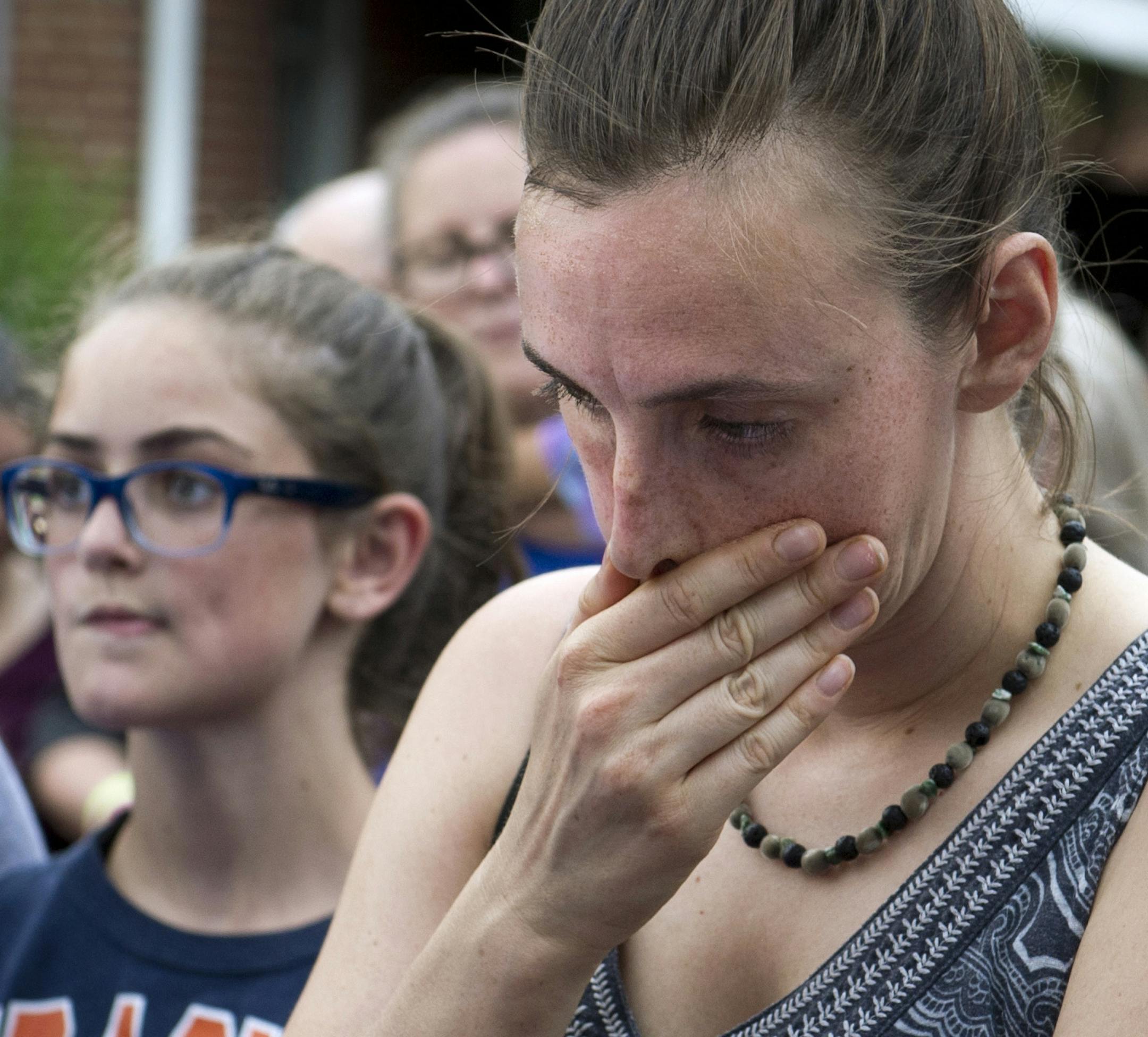
Shock comes first, followed by sadness and sympathy for the injured and killed and their survivors. Sorrow is laced with worry that America is afflicted with a sickness that it is helpless to cure.
Then comes anger. Anger that a lone person with a gun had the hubris and gall to think he knew better than the voters. That he believed he had the right to deprive his fellow citizens of the representation they chose in an election. That his vote, delivered with a bullet, deserved to count above all others.
Those were some of the emotions I felt as a 15-year-old on a high school band trip on June 5, 1968. We were performing a program of patriotic tunes at a shopping mall for an audience smaller than it might have been, had news not reached the nation a few hours before that Sen. Robert Kennedy had been shot in Los Angeles shortly after winning the California presidential primary. He died early the next day.
Tears streamed down my cheeks as I played "America the Beautiful" on my flute that morning. I noticed several girls in the clarinet section crying, too. I had a sense that our band director was avoiding eye contact with us, lest he break down.
How dare a gunman think he had the right to silence Kennedy's powerful voice, just as he was positioned to take his fight against the Vietnam War into the Democratic national convention?


