![At Pizzeria Lola, pizza chef Bishara Sahoury slices the Lady Za Za pizza -- a kim chi based pizza made with Italian red sauce, house-made kimchi, Korean sausage, serrano peppers, scallions and sesame and soy chilli glaze Friday, April 11, 2014, in Minneapolis, MN.]](DAVID JOLES/STARTRIBUNE) djoles@startribune.com Story on the popularity of a Korean cabbage food - from gourmet pizza to a general mills product - owner Ann Kim offers a pizza made with it.**Bishara Sahoury,cq](https://arc.stimg.co/startribunemedia/SJEVEKI6SJPAJII6OO7KG6BY5Q.jpg?&w=1080)
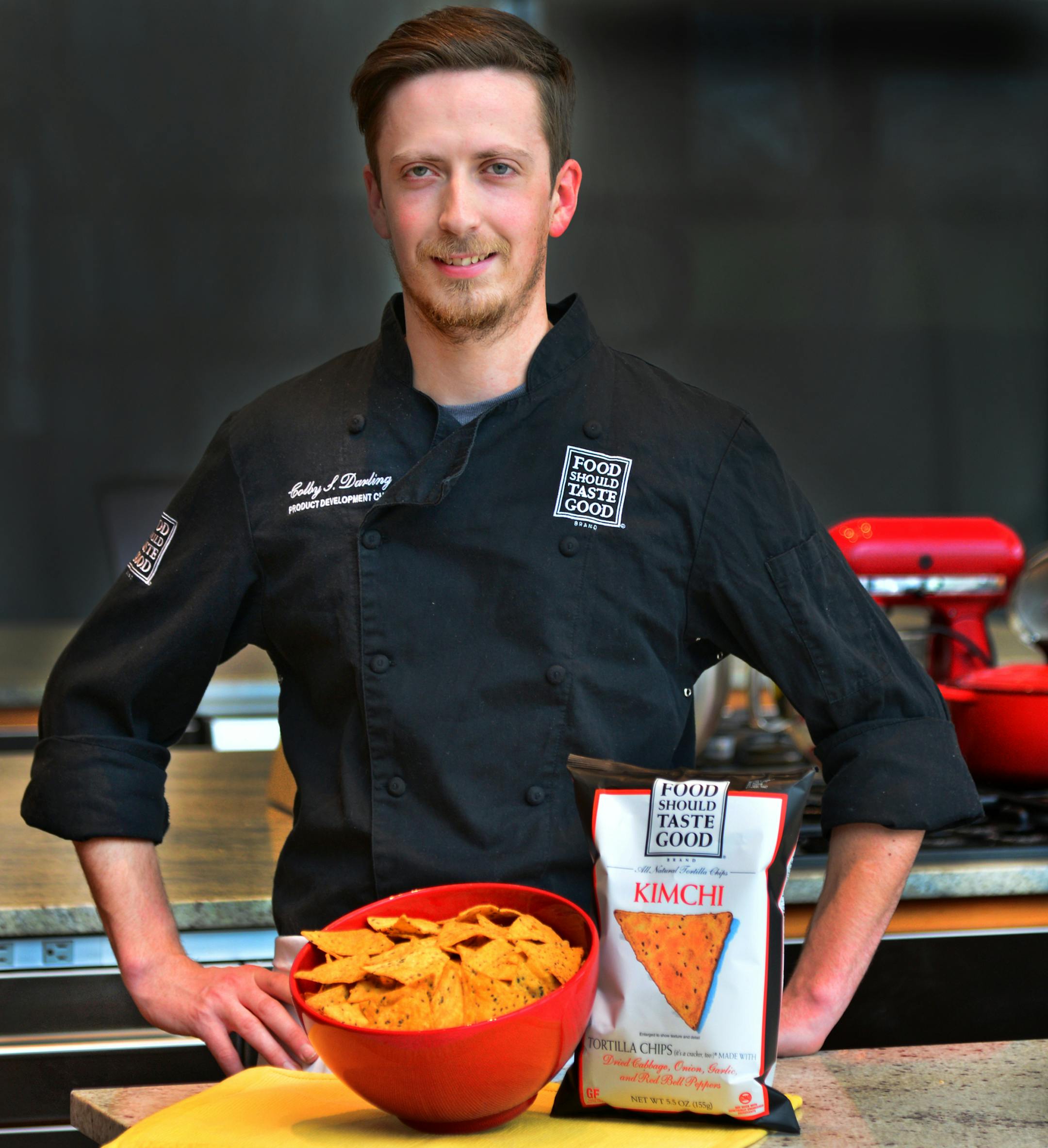
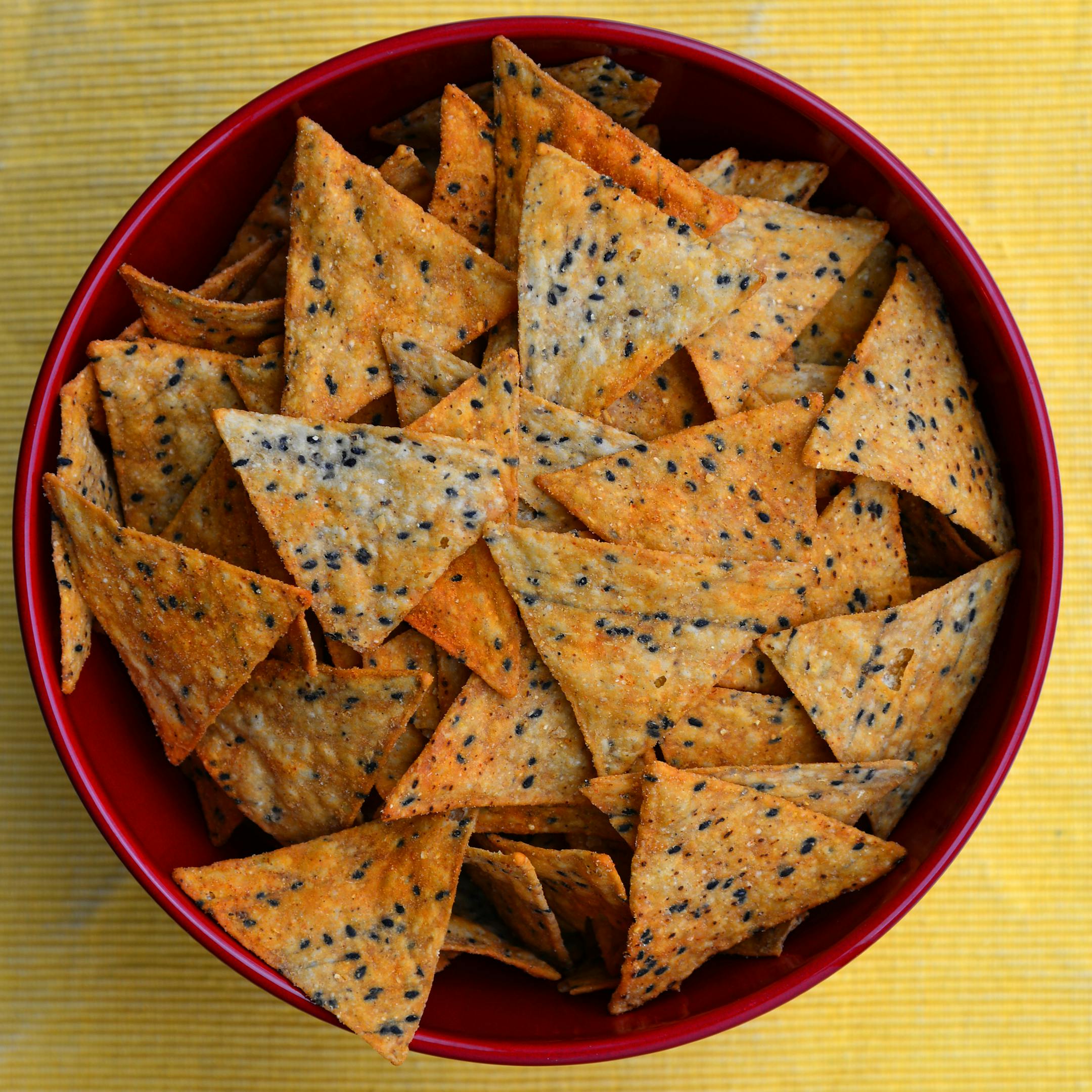
In one of his first assignments at General Mills, nutritionist Colby Darling faced a huge challenge: Make kimchi — the peppery, smelly, fermented cabbage that's a staple of Korean cuisine — work as a flavor for a tortilla chip.
Foodmakers are crossing more boundaries than ever in the unending quest for new products. At a food convention in Chicago last week, the maker of Jelly Bellys introduced jelly beans flavored like draft beer. Sriracha has been added to vodka, bacon to Ritz crackers and kale to, well, too many things.
Few flavors, however, are as extreme and challenging as kimchi. Koreans know recipes for about 200 types of fermented vegetables, most using cabbage but some based on radishes or other roots. The most common version takes days to make and is difficult to get just so. But when it is done well, kimchi is like ketchup in packing several tastes — sweet, sour, spicy, salty, bitter — in every bite.
"Kimchi is unique," Darling said. "Maybe some people's first experience with it will be in the chip and lead them to the actual dish."
The evolution of kimchi is a snapshot of how flavors go from niche to trendy to mainstream. And its embrace by a major foodmaker like Golden Valley-based General Mills Inc. is a sign that kimchi is moving beyond a circle of foodies, urban hipsters and the Korean diaspora and onto the path that Mexican salsa or Greek yogurt took before it.
Korean immigrants and Korean-Americans are mainly responsible for the migration of kimchi out of Korean-only restaurants and into other foods in the U.S.
In New York, chef David Chang built his Momofuku group of upscale restaurants around refashioned Korean flavors and, in Los Angeles, people follow Twitter to find chef Roy Choi's fleet of taco trucks that feature Korean barbecued meats and vegetables. In Minneapolis, Thomas and Kat Kim make two kinds of kimchi at their restaurant, Rabbit Hole, where the menu is inspired by Korean street foods. In St. Paul, a new diner called Cook offers a Korean pancake at breakfast and burger at lunch.
But the South Korean government also has played a role, eager for Korean cuisine to become as widely consumed as Japan's, its economic role model. It spent tens of millions of dollars in recent years to promote kimchi and other Korean flavors, including flying in chefs from other countries for cooking contests. Two years ago, it helped underwrite "The Kimchi Chronicles," a PBS series that featured noted French chef Jean-Georges Vongerichten and his wife, Marja, a Korean adoptee, and celebrity guests making Korean recipes.