

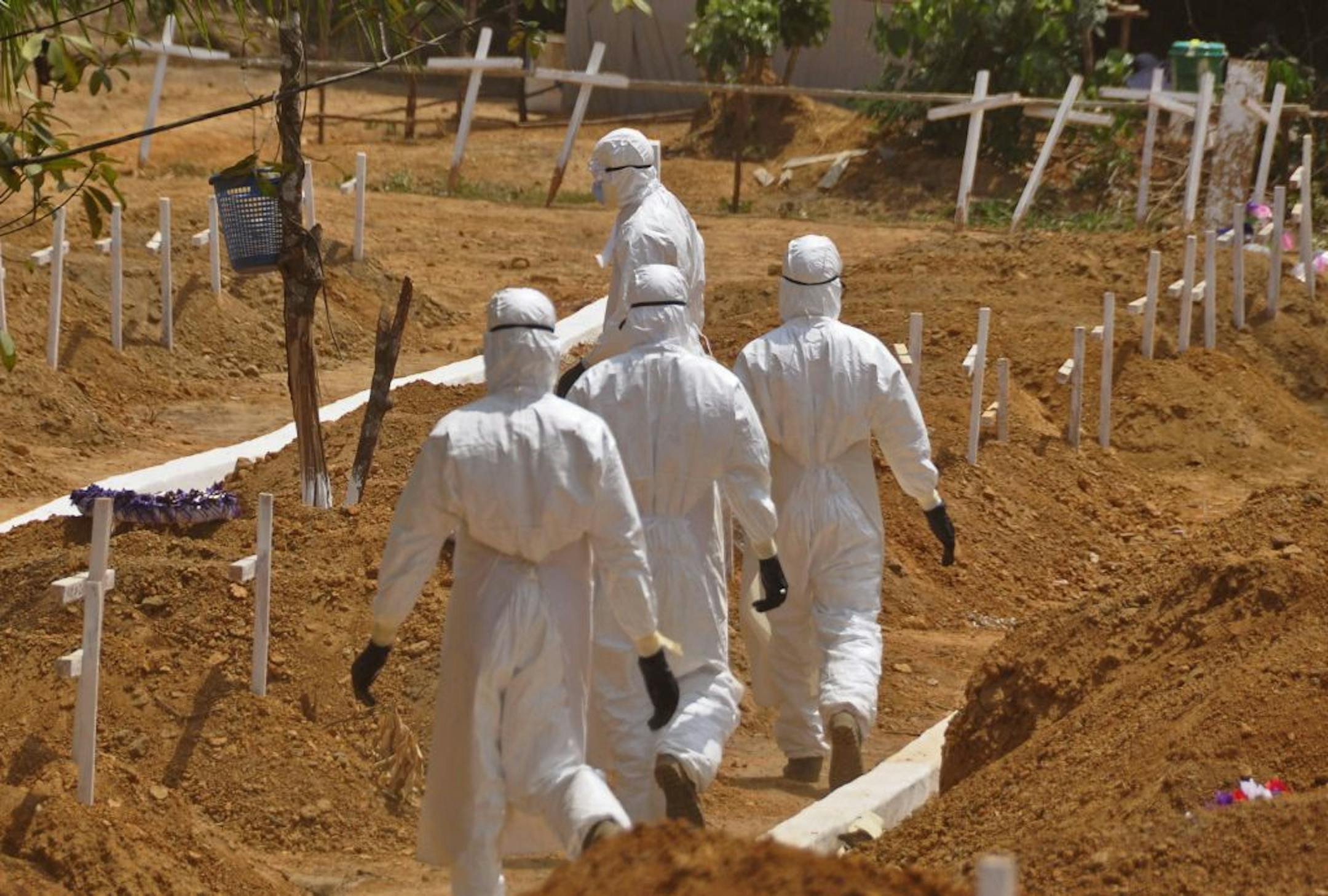
University of Minnesota researchers overseeing a major drug trial in West Africa are having to play catch-up with the Ebola virus, which emerged there last year, killed thousands of people — and then retreated before researchers could test two experimental vaccines against it.
Plans to inject 28,000 people with one of two experimental vaccines — or a placebo — have been suspended in Liberia because the country that once was the epicenter of the deadly Ebola outbreak is reporting no new infections.
If the virus isn't circulating, the trial is pointless because there is no way to know if experimental vaccines are protecting people, said James Neaton, a U biostatistics professor and a global authority on running clinical trials.
"What you want to know is … are there more cases of Ebola among the people who received placebo vs. those who received the vaccine?" he said. "That's the true test. Once you've got that data, then you feel comfortable giving [the vaccine] to millions of people."
The Minnesota researchers were invited late last year by the National Institutes of Health to provide data analysis and leadership on the vaccine study because of their experience running trials of treatments for HIV and other disorders in Africa.
Neaton and colleagues already have participated since February in safety testing of the vaccines on more than 1,000 people in Liberia, and since March in a clinical trial of experimental treatments for patients who are sick with Ebola. In May, they also will start a monitoring trial of as many as 2,000 Ebola survivors in Liberia to see if they develop medical complications over time.
But hopes have been pinned on the so-called PREVAIL trial and others like it to produce the world's first Ebola vaccines and prove they are safe and effective.
The virus is suspected in more than 25,000 infections and confirmed in 15,600 deaths in West Africa, and it stoked nervousness in the U.S. that such a lethal pathogen could one day cross the ocean.


