Advertisement

As Cuba opens to U.S. tourists, can it protect its pristine environmental assets?

The New York Times
July 11, 2015 at 3:36PM
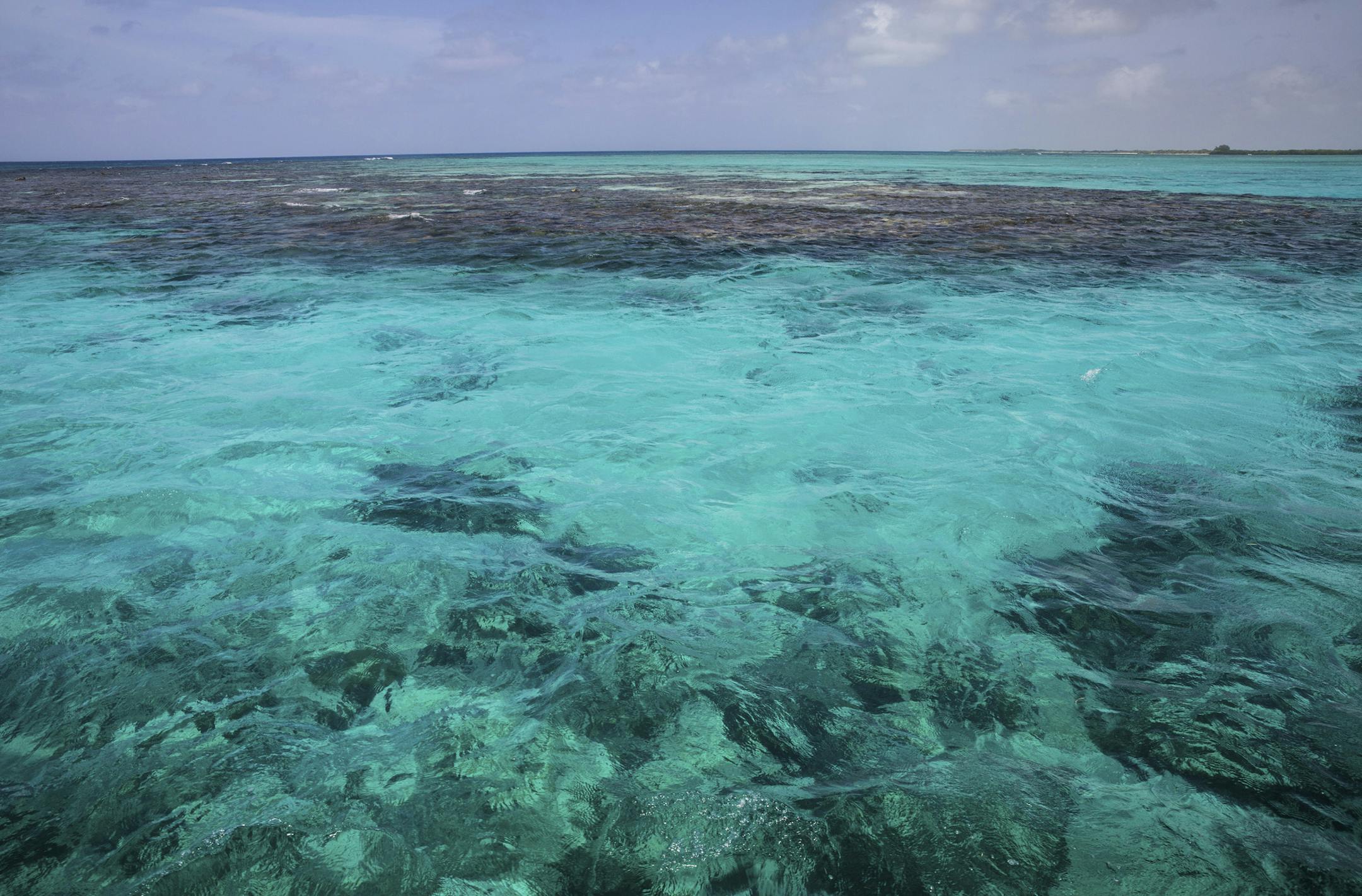
Cuba has sought to protect its 3,500 miles of coastline and pristine waters, creating protected areas such as Jardines de la Reina, above, and keeping much of it undeveloped. Some worry that the environment will be the trade-off for U. S. tourism.
Cuba has sought to protect its 3,500 miles of coastline and pristine waters, creating protected areas such as Jardines de la Reina, above, and keeping much of it undeveloped. Some worry that the environment will be the trade-off for U. S. tourism. (New York Times/The Minnesota Star Tribune)
Advertisement

Like many of his countrymen, Jorge Angulo hopes the United States will lift the decades-old economic embargo against Cuba. But Angulo, a senior marine scientist at the University of Havana, is also worried about the effects that a flood of U.S. tourists and U.S. dollars might have on Cuba's pristine coral reefs, mangrove forests, national parks and organic farms — environmental assets that are a source of pride.

"Money talks," Angulo said. "That might be dangerous, because if we go too much on that side, we lose what we have today."

As U.S.-Cuba relations have warmed and as the renewal of trade seems more of a possibility, the Cuban government faces pivotal choices.

The country is in desperate need of the economic benefits that a lifting of the embargo would almost certainly bring. But the ban, combined with Cuba's brand of controlled socialism, has also limited development and tourism that in other countries, including many of Cuba's Caribbean neighbors, has eroded beaches, destroyed forests, polluted rivers, damaged coral reefs and wreaked other forms of environmental havoc.

U.S. corporations are poised to rush into a country only 90 miles from Florida's shores. In March, a delegation from the U.S. Agriculture Coalition for Cuba, an agribusiness group that includes Cargill, the National Grain and Feed Association, the National Chicken Council and other companies, flew to Havana to meet with Cuban officials.

Despite modest economic advances in the past 15 years, much in Cuba can seem frozen in time, with crumbling Havana buildings and old Chevys serving as markers of how far the country has been left behind. But that has also meant that much of Cuba's more than 3,500 miles of coastline has remained undeveloped.

Over the past two decades, Cuba has taken steps to preserve its natural resources. Environmental problems remain, including overfishing and the erosion and deforestation left from earlier eras. But the ministry overseeing environmental issues has a strong voice. The government has designated 104 marine protected areas, though some still exist only on paper, with no administration or enforcement, and it has set a goal of conserving 25 percent of the country's coastal waters.

Yet Cuba's commitment to environmental protection has never been tested — or tempted, as forcefully as it is likely to be should the trade and travel barriers with the U.S. fall. But many obstacles to tourism and commerce remain. Congress would have to vote to ease the embargo. And even if the embargo were lifted, Cuba's labyrinthine tax structure, legal system and laws regulating business present their own hurdles.
Advertisement


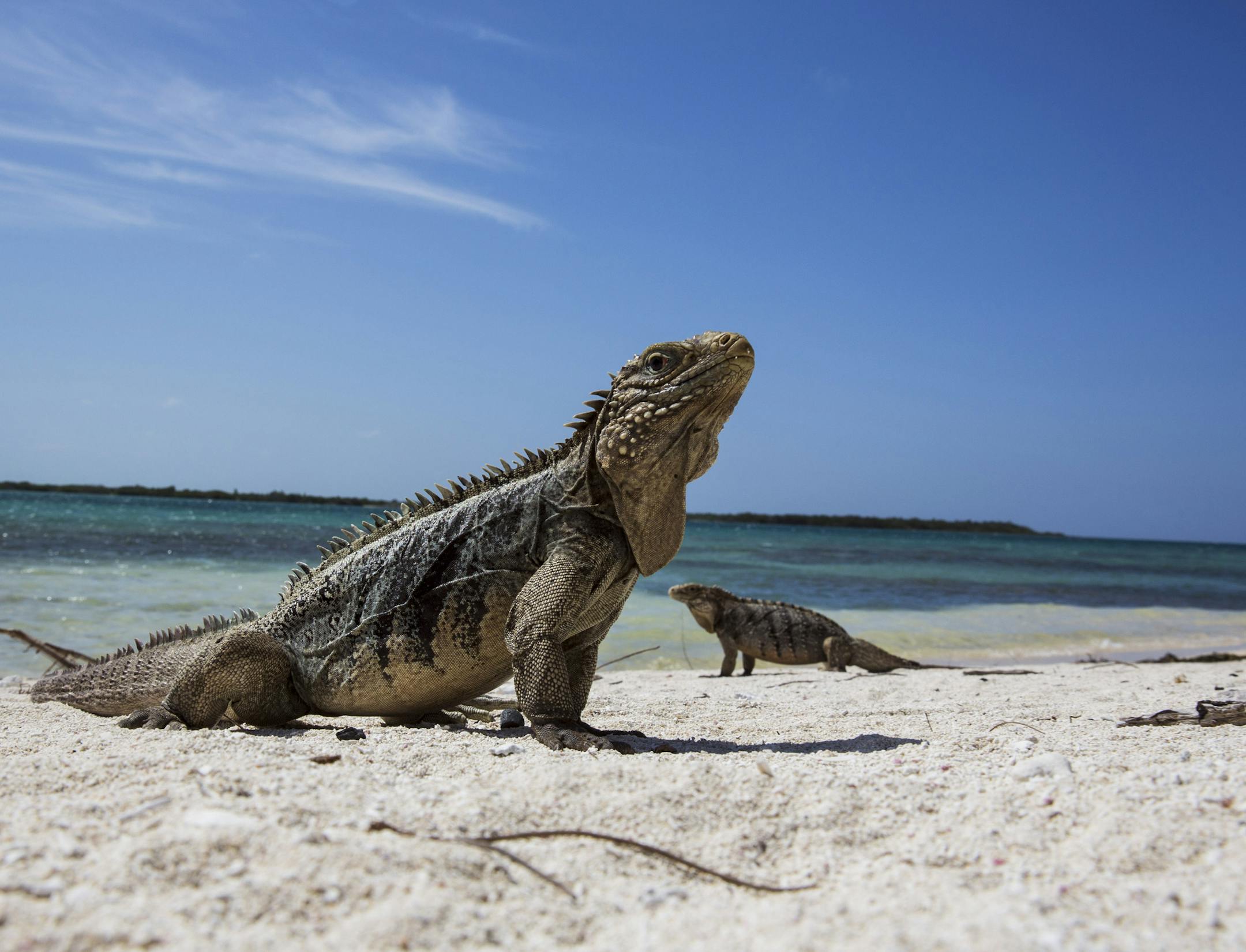
Iguanas on an island in Jardines de la Reina, a protected area south of Jucaro, Cuba, May 26, 2015. As relations between the U.S. and Cuba have warmed some fear development and tourism would result in the destroyed forests, polluted rivers and damaged coral reefs faced by some of Cubaís neighbors.
Iguanas on an island in Jardines de la Reina, a protected area south of Jucaro, Cuba, May 26, 2015. As relations between the U.S. and Cuba have warmed some fear development and tourism would result in the destroyed forests, polluted rivers and damaged coral reefs faced by some of Cubaís neighbors. (New York Times/The Minnesota Star Tribune)
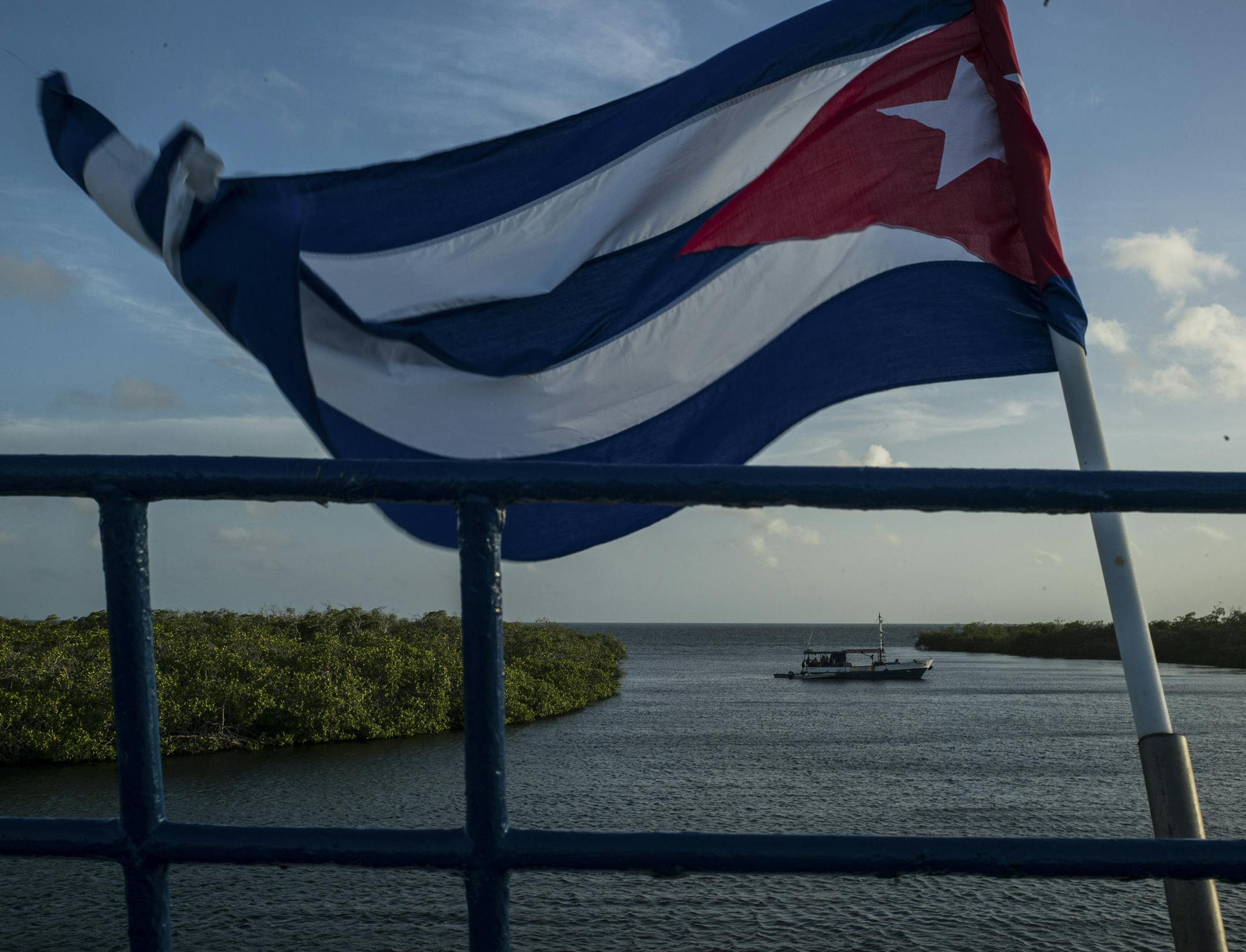
The Cuban flag flies on the deck of a floating hotel in Jardines de la Reina, a protected area south of Jucaro, Cuba, May 26, 2015. As relations between the U.S. and Cuba have warmed some fear development and tourism would result in the destroyed forests, polluted rivers and damaged coral reefs faced by some of Cuba’s neighbors.
The Cuban flag flies on the deck of a floating hotel in Jardines de la Reina, a protected area south of Jucaro, Cuba, May 26, 2015. As relations between the U.S. and Cuba have warmed some fear development and tourism would result in the destroyed forests, polluted rivers and damaged coral reefs faced by some of Cuba’s neighbors. (New York Times/The Minnesota Star Tribune)
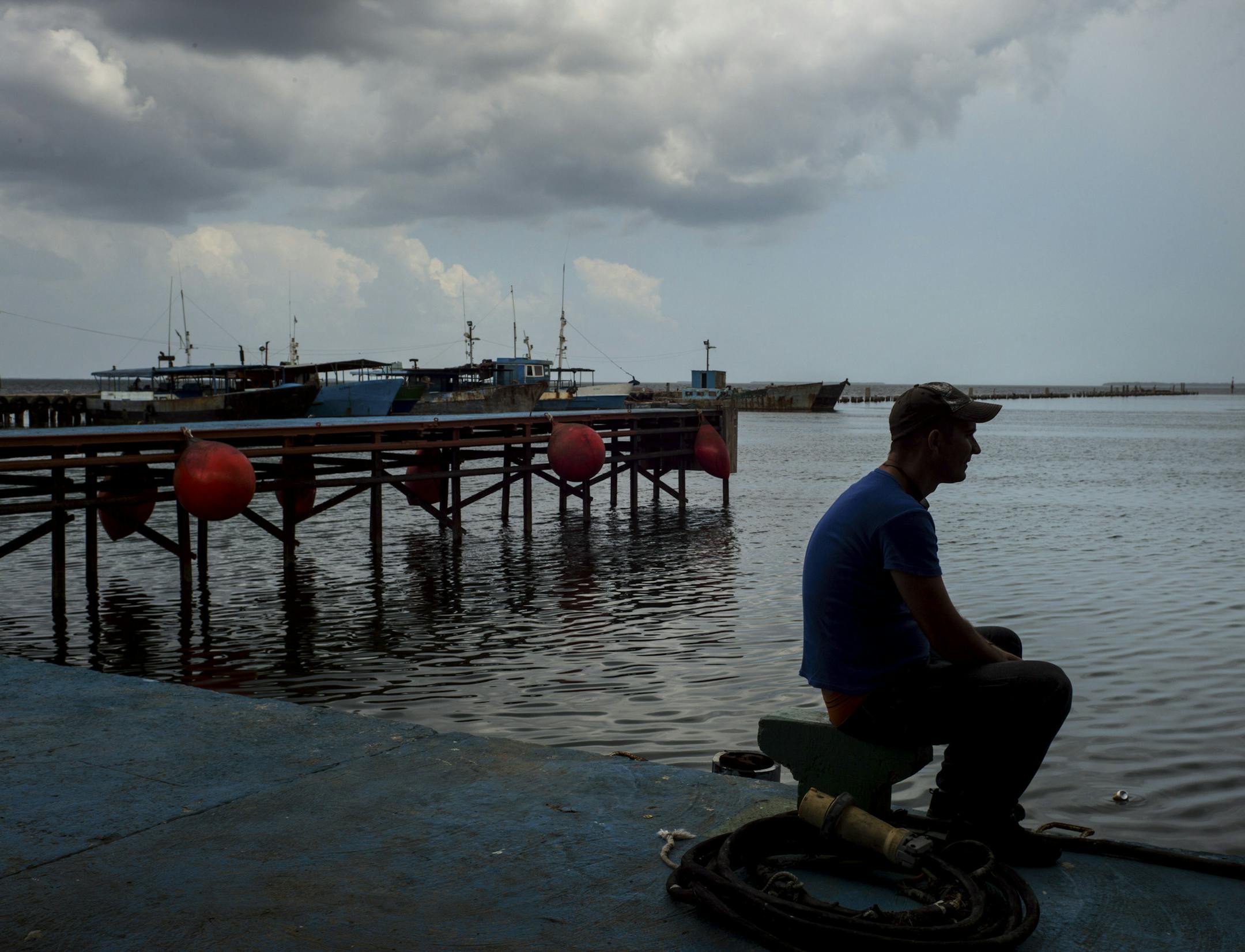
The southern port town of Jucaro, used mainly by fishing boats, in Cuba, May 27, 2015. As relations between the U.S. and Cuba have warmed some fear American developers will ruin Cuba's pristine coastlines by dotting them with hotels and condominiums.
The southern port town of Jucaro, used mainly by fishing boats, in Cuba, May 27, 2015. As relations between the U.S. and Cuba have warmed some fear American developers will ruin Cuba's pristine coastlines by dotting them with hotels and condominiums. (New York Times/The Minnesota Star Tribune)
about the writer

about the writer

Erica Goode

Advertisement