

When a party loses a national election to someone such as President Donald Trump, it's time to rethink everything. But with just a year from the Iowa caucuses, I'm worried some of our leaders in the Democratic Party are learning the wrong lessons.
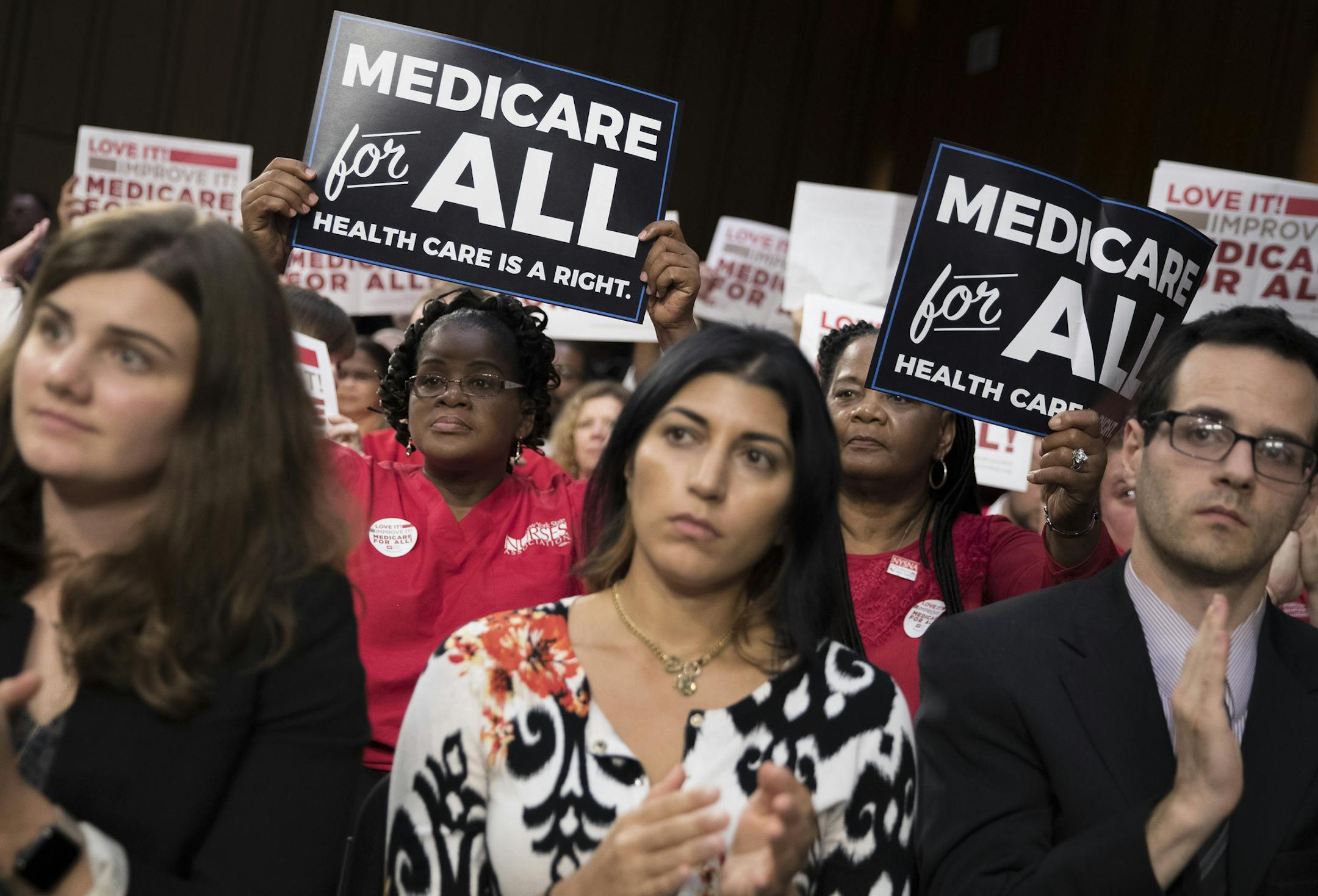
Some are saying that bold ideas such as Medicare-for-all, a job guarantee and free college sound great — but aren't realistic.
"When the stakes are another four years of Trump degrading our country, do we really want to use the 2020 campaign as a first-time experiment on idealistic but unrealistic policies?" wrote former Virginia Gov. Terry McAuliffe in the Washington Post this month.
McAuliffe is right that we should not overpromise. But he's absolutely wrong that a bold vision of fundamental change is more than we can deliver. We progressives are all too familiar with his argument. It's a lie we've been told by the members of our own party and the mainstream media for far too long.
When I first ran for mayor in 2013, the New York Times praised my "ambitious plans" but urged voters to support a different candidate because my ideas looked "like legislative long shots."
The common belief is that you are either a dreamer or a realist. But idealism and pragmatism aren't as far apart as one might think.
I won that race in 2013 because of the grassroots power that pundits and pontificators cannot understand. We put forward a clear, populist message: New York City was a tale of two cities, with unacceptable levels of inequality that had to change. The voters agreed.
We took from the great example of Franklin Delano Roosevelt — that you must make change people can feel and must do so quickly. We implemented prekindergarten for all, we created an ambitious mental-health program called ThriveNYC and we proposed the biggest affordable-housing plan in the city's history. Meanwhile, crime fell to record lows when we ended the era of stop-and-frisk and created neighborhood policing.


