

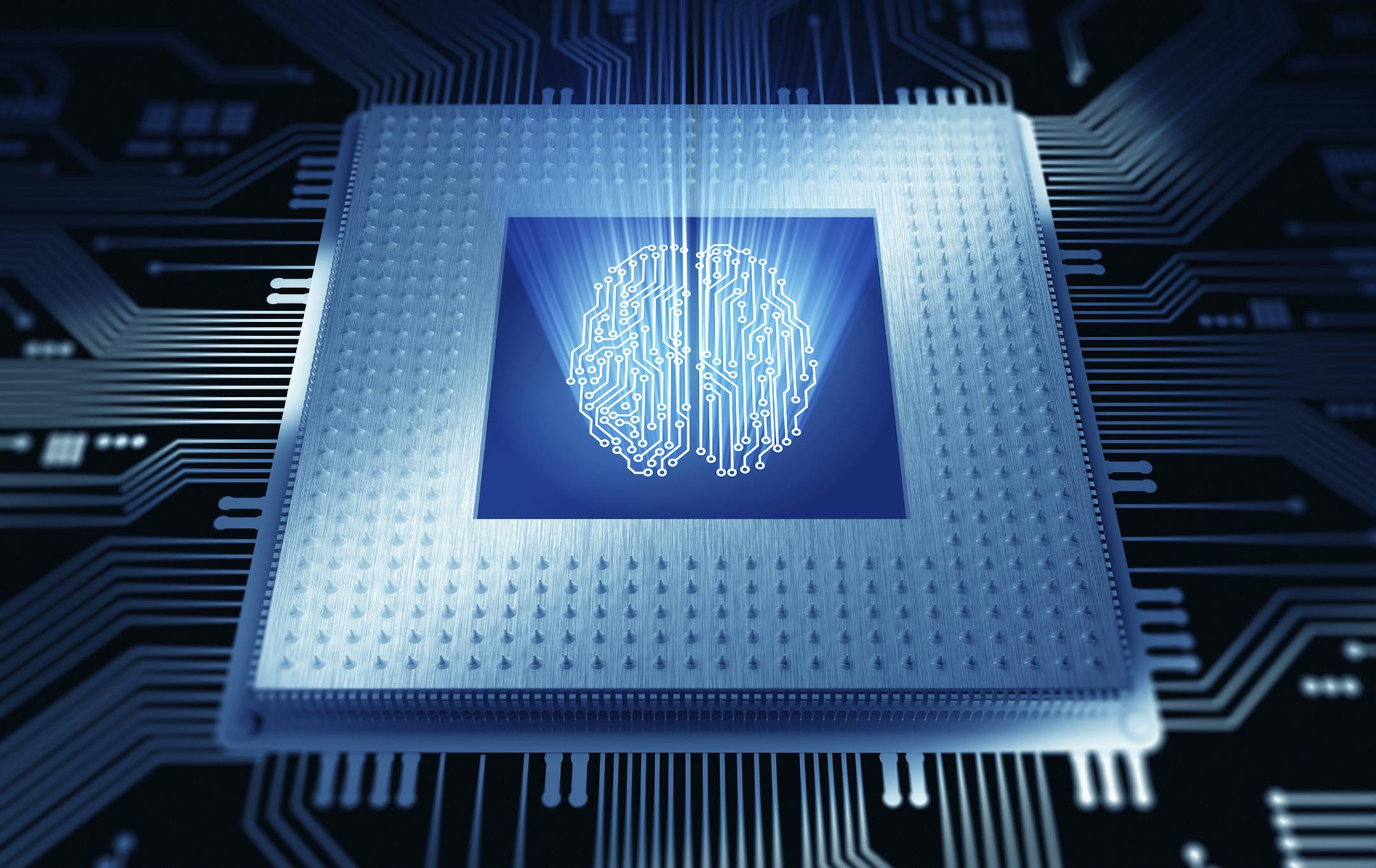
It is the great philosophic debate of the computer age: Artificial intelligence — good or evil?
The optimists, some might call them utopians, argue that the computational power of machines — their intelligence — inevitably will become greater than human intelligence.
Intelligence this powerful may be hard to imagine now, but it will be able to solve problems we think are unsolvable. It will improve the lives of humans and ultimately save the species, even if the planet is a goner.
Some AI believers call this mega-intelligence by a godly name — The Singularity.
The dystopians don't disagree that AI might have superhuman intelligence some day, but they think it is irrational and mystical to believe it inevitably will be a force of good.
It could be neutral, like most technology. Or it could be evil. The Singularity could control us dumb humans in nasty ways. Volumes of science fiction play with this nightmare scenario.
Obviously, my natural and wholly organic intelligence is too tiny to really understand any of this, much less have a strong opinion. But there is a third camp, I've discovered, that I am tempted to join. Their great worry isn't artificial intelligence; it's artificial stupidity, or AS.
An example of AS might be faulty programming that crashes the U.S. power grid. Seems plausible, almost likely, right? An example of artificial super-stupidity, or ASS, would be a global Internet crash — no Web, nowhere, no way can we survive that for long.


