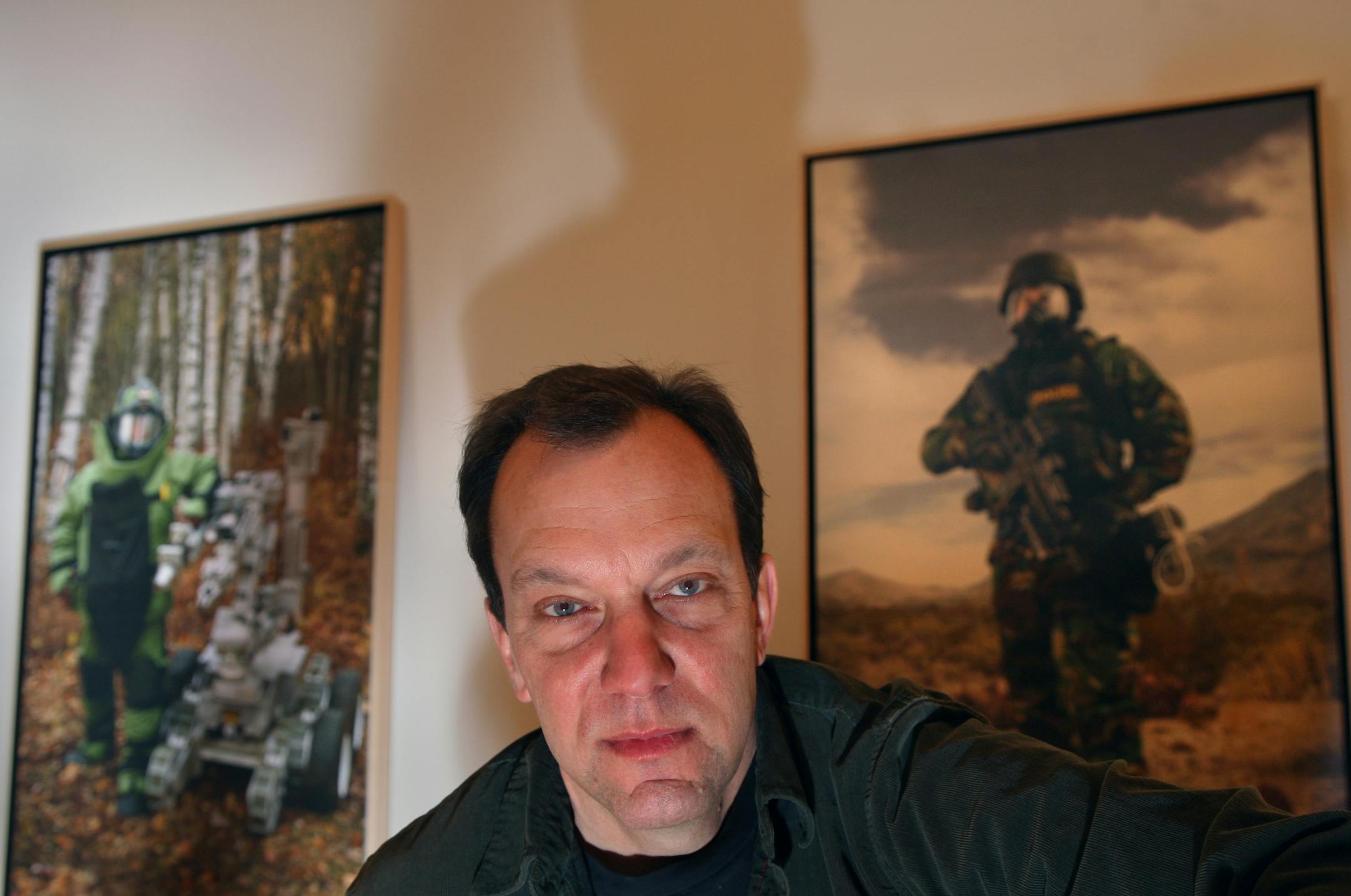
Minneapolis photographer Paul Shambroom doesn't take no for an answer. When his requests are ignored or denied, he just takes another tack until eventually he finds the chink that gives him access. So it was with the United States' nuclear arsenal, which Shambroom wanted to photograph.
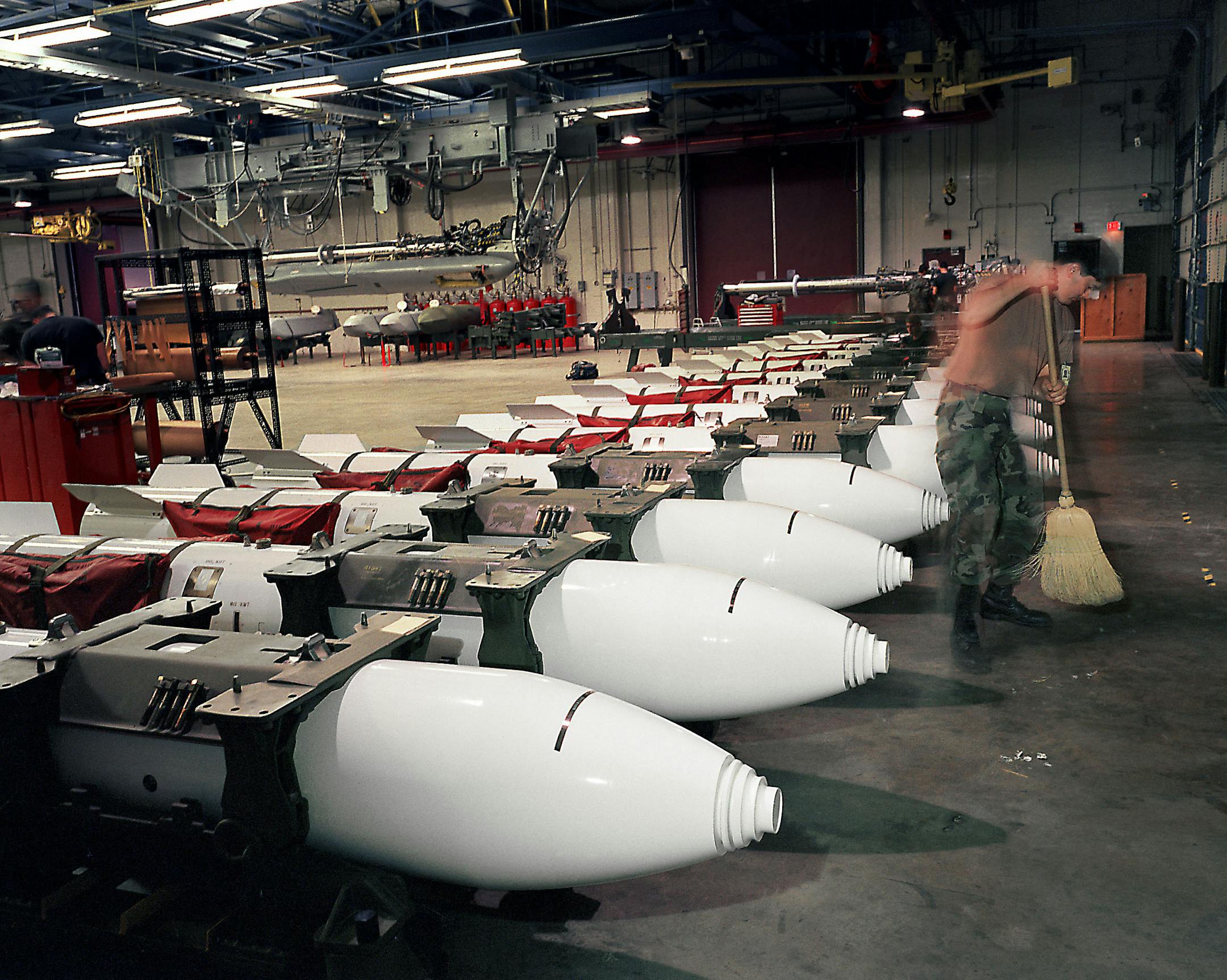
Why not? We, the people, own and deploy thousands of Minutemen, Peacekeepers, and other nuclear missiles. Fenced missile silos pock the plains of North Dakota, and rows of sleek, white, one-megaton nuclear gravity bombs slumber in an Air Force storage base in Louisiana. Curious about what the weapons, planes and warheads look like, how they are housed, and who is watching over them, Shambroom began writing in 1990 to the Pentagon, the Air Force, the Navy, asking permission for his project.
The authorities were not amused. Although he donned a mask of cool neutrality, writing that he planned "neither to criticize nor glorify nuclear weapons," he was repeatedly blown off. Then in September 1991, the Navy bit, granting permission to photograph its submarines. That was the chink he needed. Over the next decade he got permission to photograph at 35 military bases in 20 states, places that no unauthorized citizen has penetrated and few have reported on.
The resulting images became the core of a book and several exhibitions, including "Paul Shambroom: Picturing Power," opening Saturday at the Weisman Art Museum at the University of Minnesota. It runs through April 20 before traveling to Columbus, Ohio, Atlanta and Long Beach, Calif.
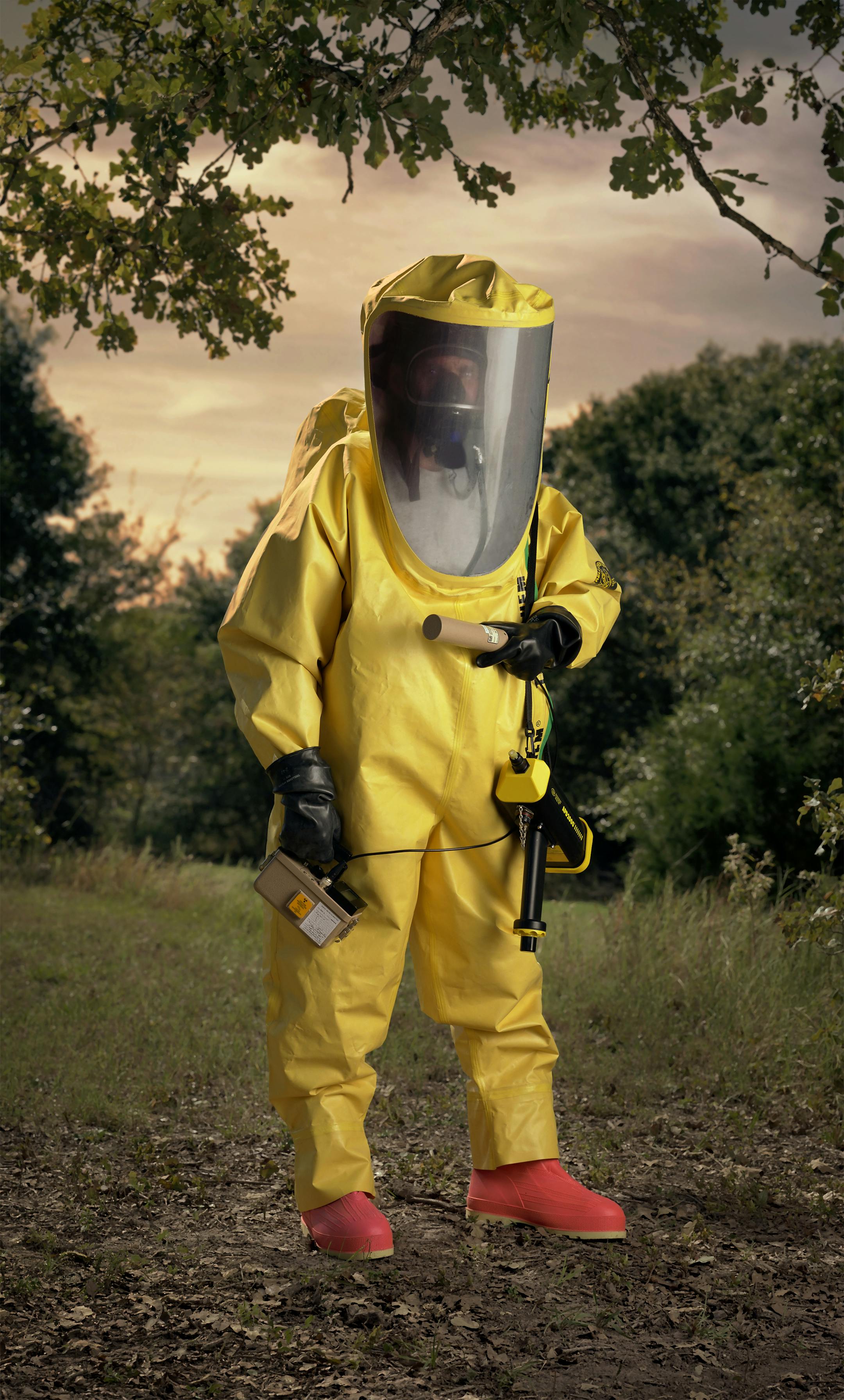
Organized by Weisman curator Diane Mullin with colleagues in Long Beach and Toronto, the show is a midcareer retrospective that includes selections from five photo series spanning 20 years. Besides the "Nuclear Weapons" pictures, it includes images of factories, offices and small-town city council meetings, plus portraits of emergency personnel and disaster first-responders.
"My interest throughout my entire career has been the place of the citizen within the state," Shambroom said in a recent interview. He uses a camera to "examine the external power structures of business, government and how an individual relates and doesn't, serves or does not serve, participates or doesn't participate.
"I still think of myself as highly patriotic. Being a participant in a democracy means questioning and challenging. I think that's the highest form of patriotism."
Granted access to some of the country's most rarefied precincts -- the Pentagon, the control room of a Trident submarine, a Minuteman launch center -- he maintained a scrupulous neutrality in picturing them. There is no irony, attitude or manipulation in his photos, all of which are large, glossy color images gleaming with the perfect details typical of annual reports and corporate brochures.