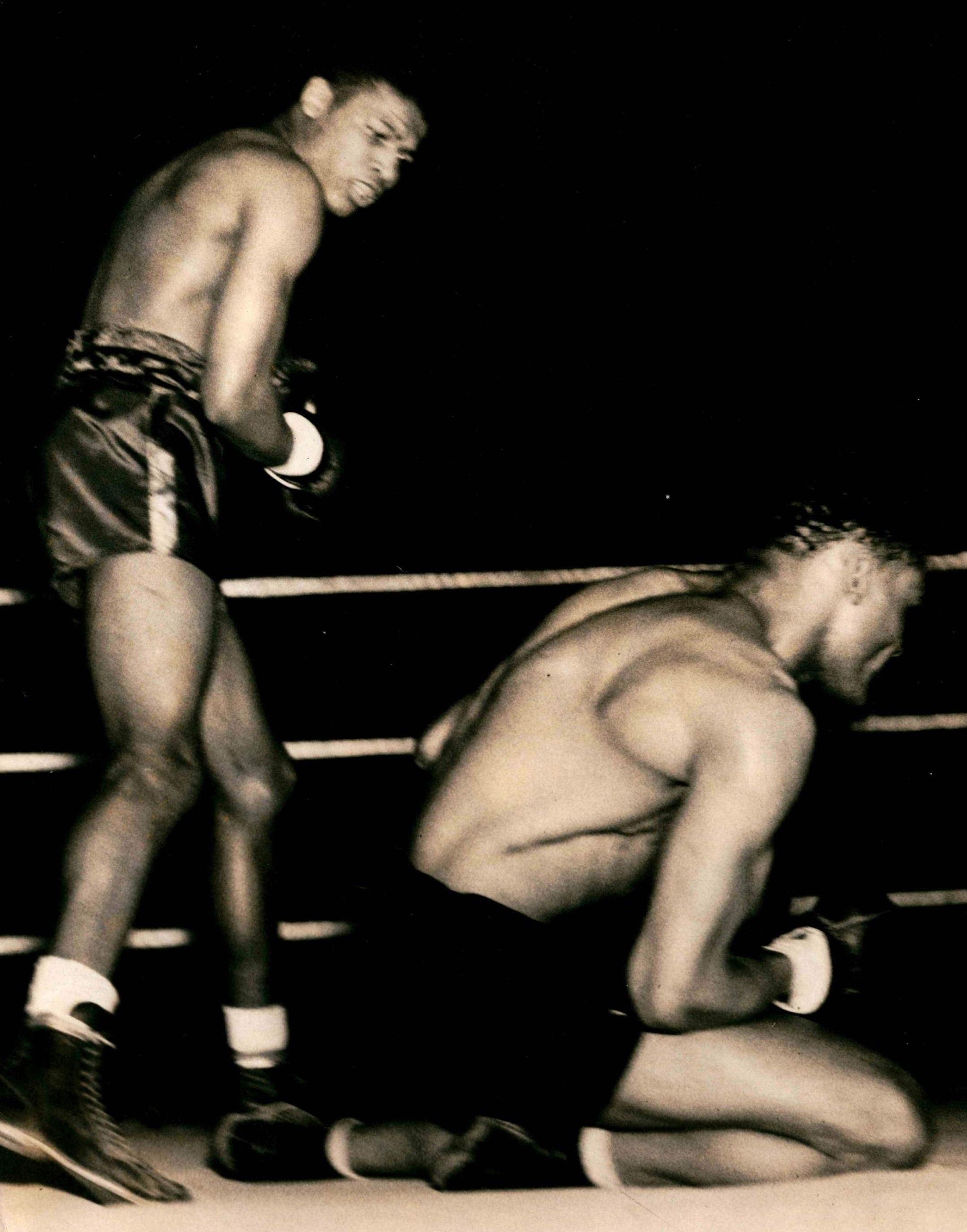
![Boxing will return to the Armory in Minneapolis after a long absence. ] Shari L. Gross ï shari.gross@startribune.com Reusse column on the return of boxing to the Armory, featuring Caleb Truax and Jamal James. News conference at Armory features Truax and James. Need shots of both, together and separate. Also could use some shots of the new Armoy. This story will also be a look back at when boxing was big in that arena](https://arc.stimg.co/startribunemedia/DCB2F7E5NO6IMLBLFZ2YC7TBGI.jpg?&w=1080)
The wide, wide world of sports wasn't all that wide in the fall of 1959, particularly here in the Twin Cities. There was one major league team, the Minneapolis Lakers, and they were an endangered franchise in an eight-team NBA.
There were also eight official weight classes in professional boxing, and one organization to certify eight world champions. The sporting public knew all of their names, except maybe the flyweights from a foreign land.
There was no comparison in the public following for these activities: Big fights were far more popular than pro basketball, to the point promoters started to make deals to show the fights on closed-circuit TV outlets — theaters, arenas — around the country.
Bob Short led a group that purchased the Lakers in 1957. The team was regularly bounced from the Minneapolis Auditorium due to other bookings, so Short made the Minneapolis Armory, until then an alternate site, the city's home court before the 1959 season.
Les Sellnow is the author of a book on the history of the Upper Midwest Golden Gloves. As with the Lakers, the Upper Midwest tournament — a large and well-publicized event well into the 1960s — would wind up in the Armory when the Auditorium was booked.
"The Armory was never the first choice,'' Sellnow said. "It was a building intended to store military vehicles and supplies. As a sports arena, it was a big, drafty, cold building with about two bathrooms.''
Short made a show of trying to sell the Armory to the public as the new home of the Lakers, even though his heart and bank account were already two-thirds of the way to Los Angeles.
On Oct. 14, an Armory with a few bucks in improvements held the "Sports Spectacular'' — a doubleheader of NBA exhibitions, with the Lakers and Detroit in the first game, and the Philadelphia Warriors vs. Boston in the second game.