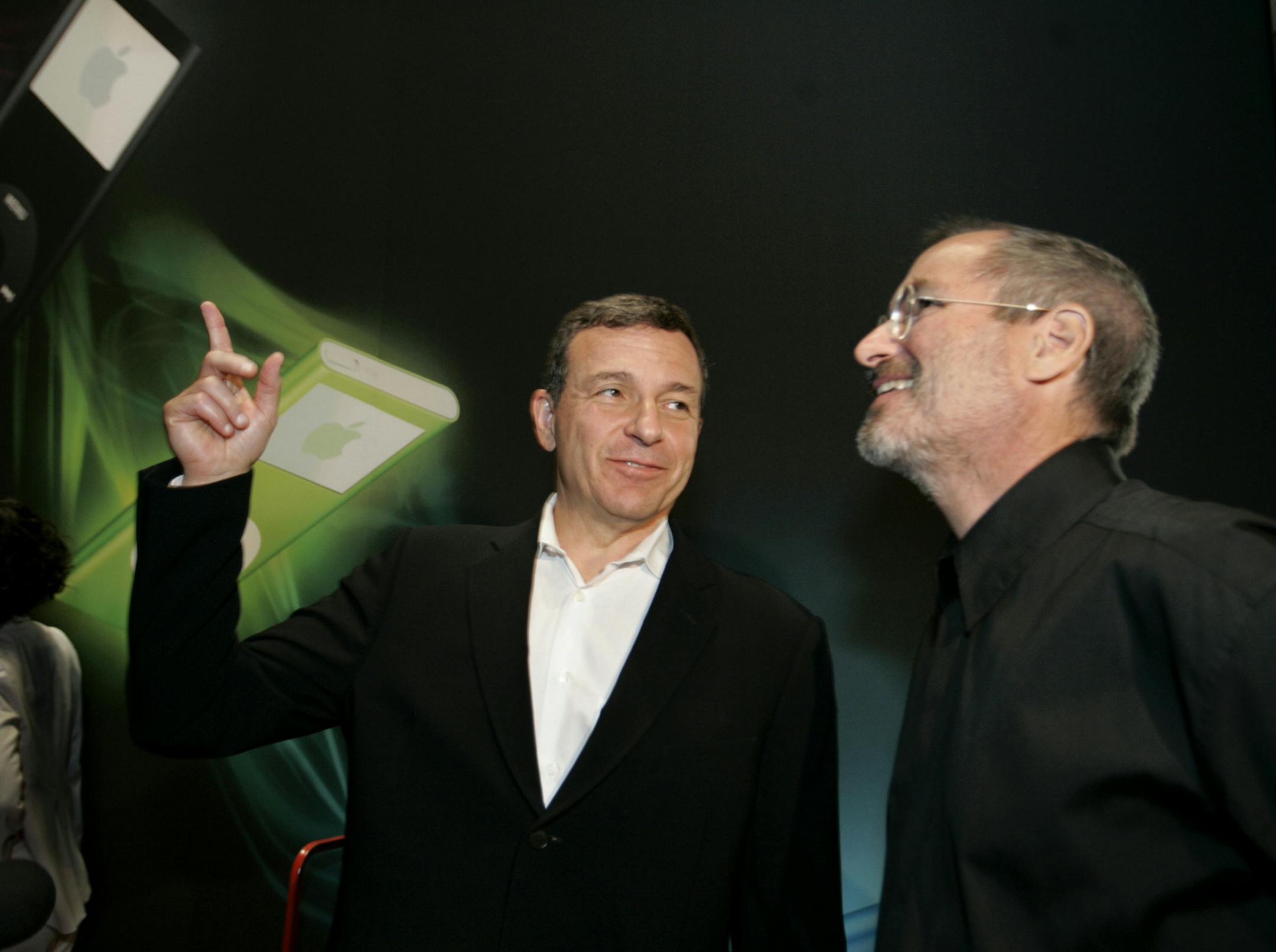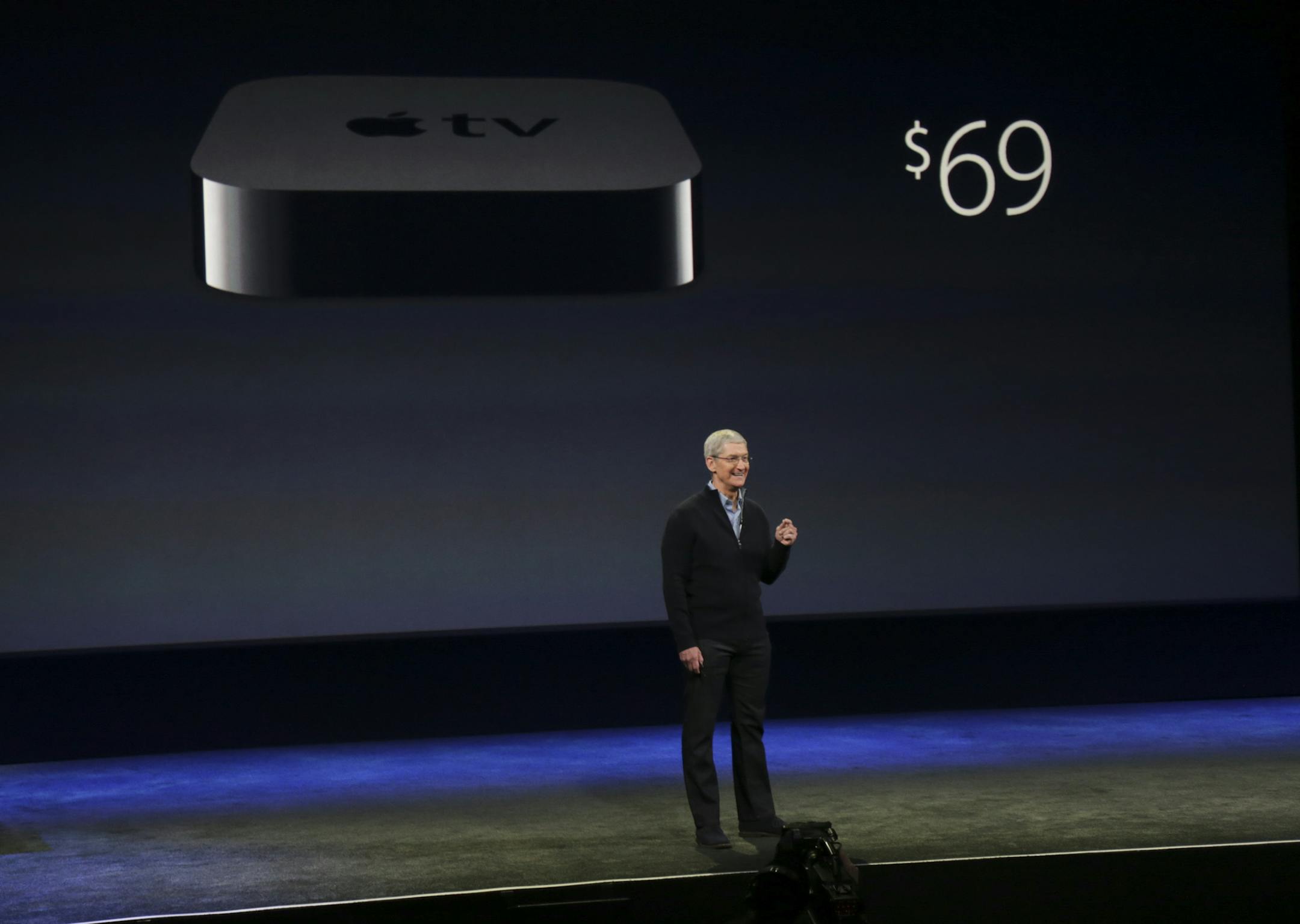
Apple Inc.'s foray into original TV shows and movies is increasing competition with Walt Disney Co., potentially putting Bob Iger's board seat at the iPhone maker at risk.
Apple has been buying shows and movies at festivals and funding its own content that the company plans to package this year into a streaming video service. It's set to preview the offering with Hollywood stars at an event March 25 in Cupertino, Calif., where the company is based.
Apple's recent proxy statements said the company has "arms-length commercial dealings" with Disney, including digital services content licensing agreements. But the filings added that Iger, chief executive of Disney, doesn't have "a material direct or indirect interest" in those deals.
That could change as both companies launch streaming services that compete with each other. Each initiative is strategically important. Apple will make it central to a growing suite of digital subscriptions that spur revenue as iPhone sales growth slows. Disney is launching three streaming offerings as traditional TV loses viewers.
"They might have to recognize that they will become active competitors in the near future," said John Coffee, director of the Center on Corporate Governance at Columbia Law School.
He suspects both companies have legal advisers looking into whether Iger should remain on Apple's board. The Clayton Antitrust Act of 1914 limits directors from serving on their own board and that of a competitor, Coffee noted. Apple and Disney didn't respond to requests for comment.
This wouldn't be the first director-level conflict of interest in the technology industry. The largest companies in the sector are increasingly expanding into one another's turf, while getting into the entertainment business.
In 2009, Eric Schmidt, the former CEO of Google, resigned from Apple's board at co-founder Steve Jobs' behest as the companies started competing in the smartphone market. At Disney, Facebook Inc. Chief Operating Officer Sheryl Sandberg and Twitter Inc. CEO Jack Dorsey left the board in 2018 as their own companies started developing original video platforms.