People expect explorer Ann Bancroft to have some answers when it comes to her newest mission: water conservation. She started out 30 years ago by dog sledding to the North Pole with, as she calls them, "Steger and the boys," and since then has built a career merging expeditions and education, with fellow teacher and adventurer Liv Arnesen.
So, it was only natural that Indian villagers expected some packaged 1-2-3 fixes for their gumbo-ish Ganges River when Bancroft floated into their villages last October. But no. Bancroft wanted to share stories and ignite conversations.
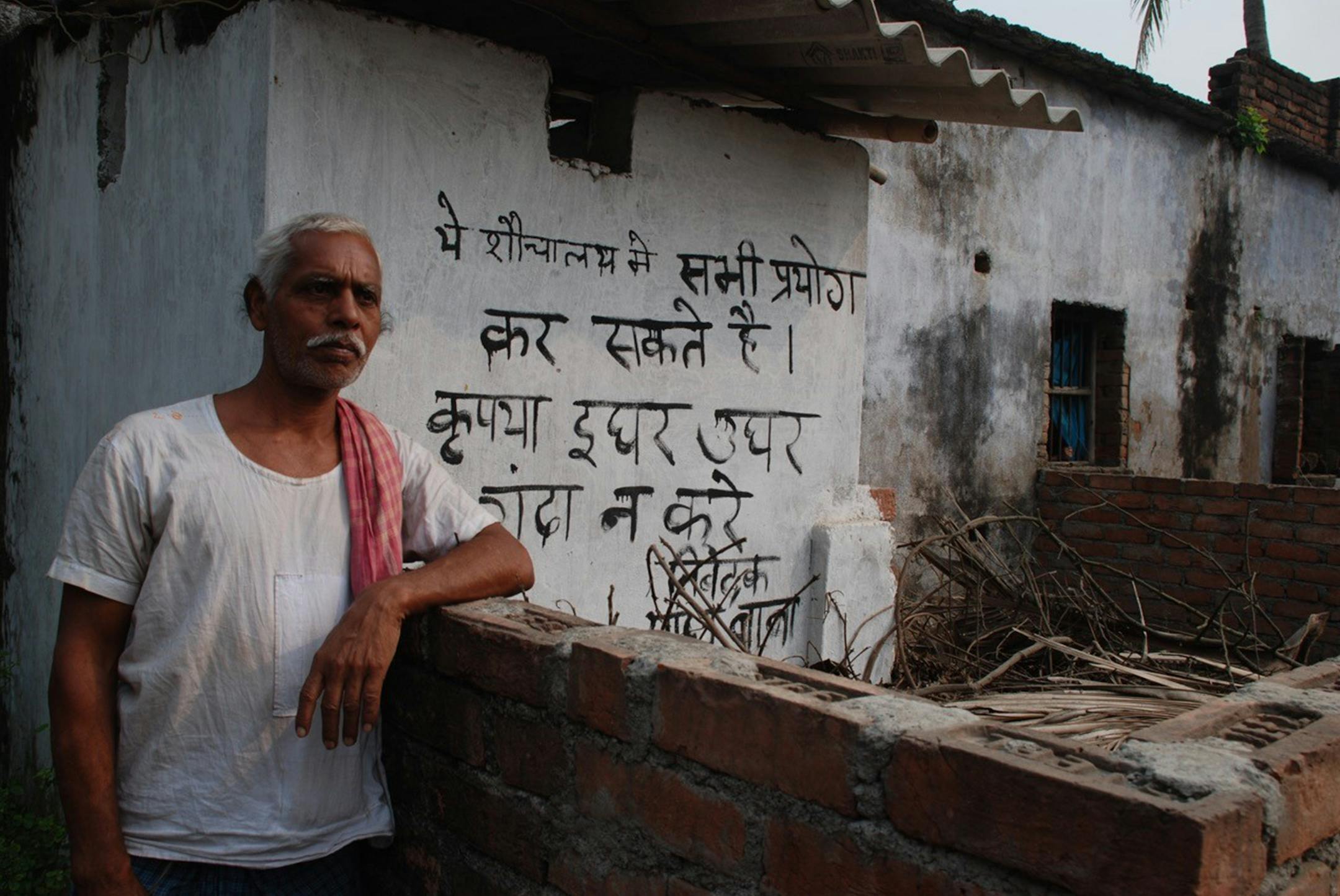
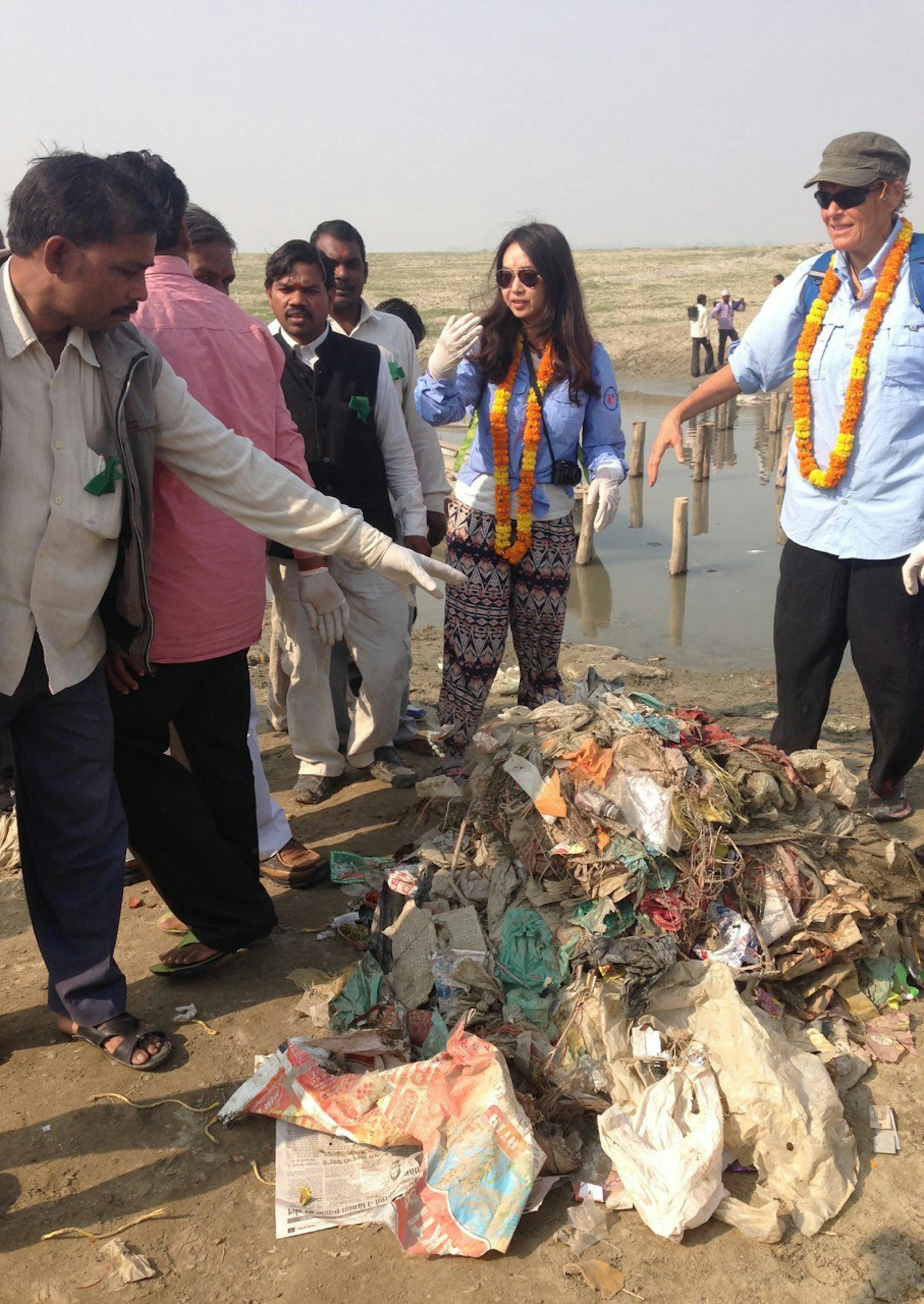
"We were constantly confronted with why we didn't have solutions [to pollution], why were we there, are you going to tell us how to fix this river?" Bancroft recalled. "We told them, 'We're not experts. We can tell you what we've seen, but we're curious about your experiences, too.' It became a leveler: We weren't foreigners coming in with answers. We were just ordinary people, like them, who care, sharing ideas about what we can do, about personal and collective responsibility."
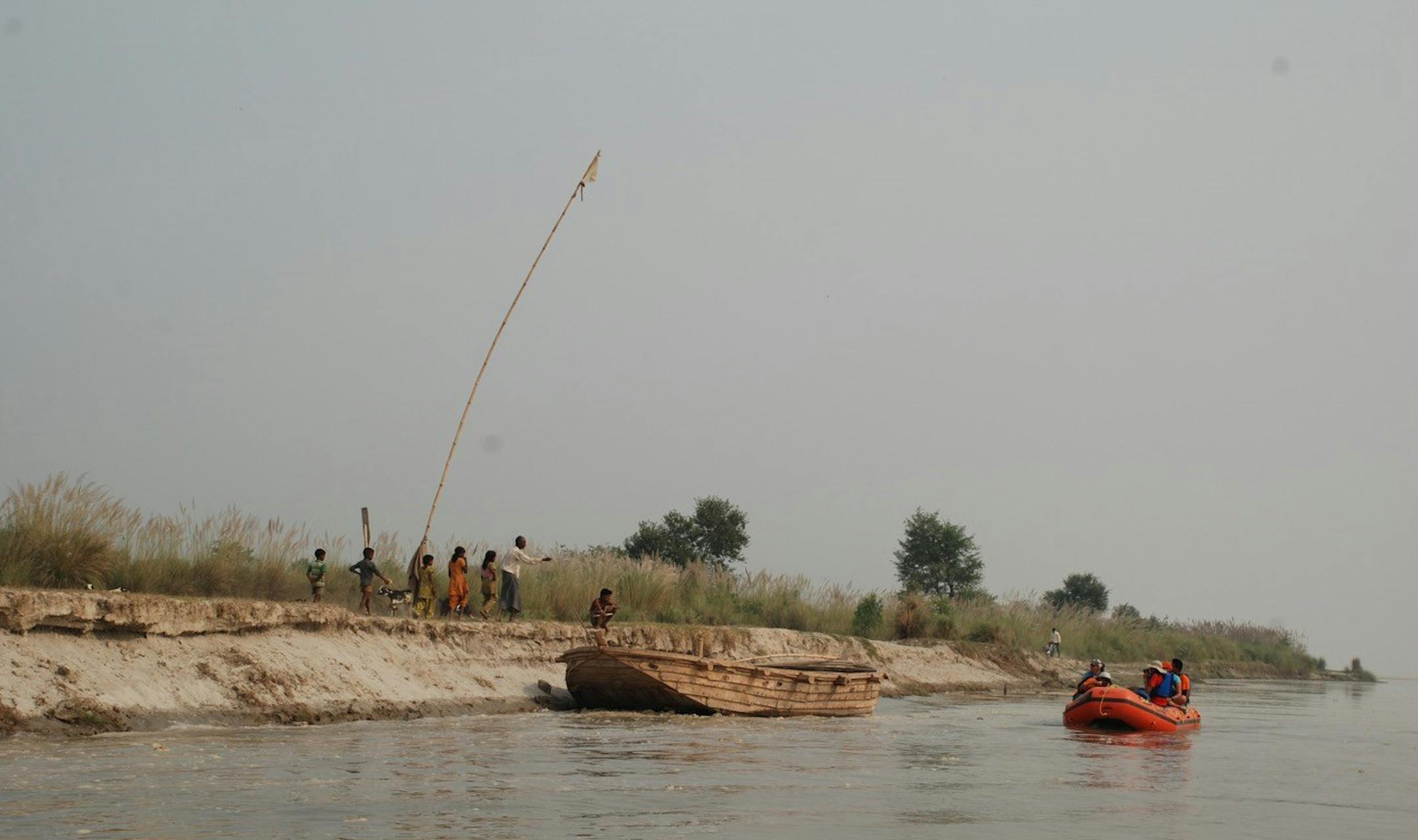
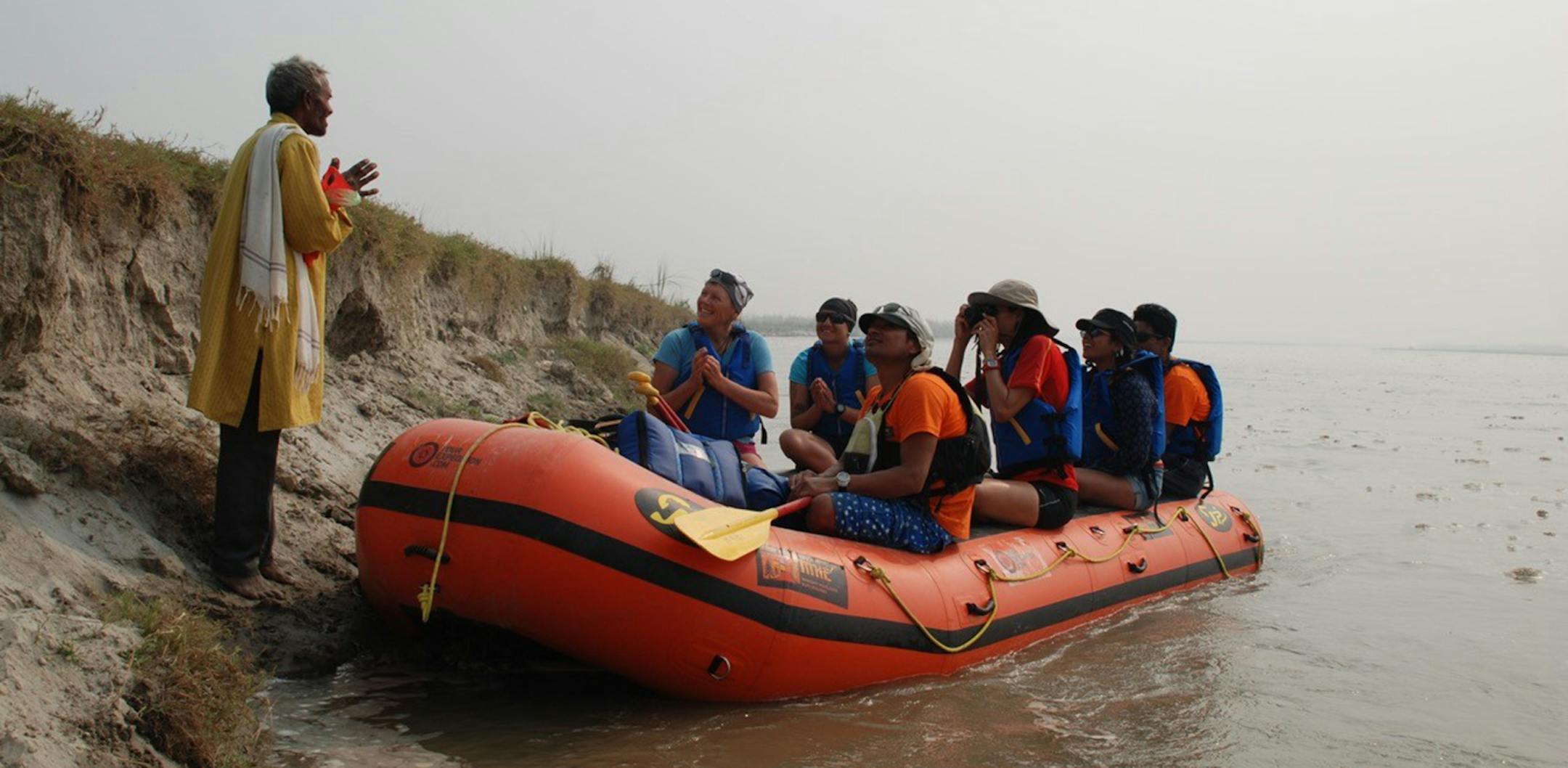
Still tan and ever smiling, the 60-year-old Scandia resident was dealing with re-entry culture shock three weeks after she'd returned from two months in India, boating with a multinational team of seven other women from the Ganges' source in the Himalayas to the Bay of Bengal. It's the first leg of an ambitious 11-year, six-continent campaign called Access Water, highlighting the world's critical shortage of fresh water.
"When I went to the North Pole [in 1986], I found a new platform for speaking, as a woman, as a teacher, as an ordinary citizen. Expeditions have power way beyond my own ambition; power to engage young people to find their own voice. I'd been given this platform, and I thought I'd better not squander it."
Bancroft and Arnesen have since created curriculum for every expedition they've undertaken that allow children to use their adventures as a jumping-off point to study geography, art, music, society and math. She doesn't lean into the icy wind or paddle the rapids to break records or make history, but rather to get children, next-generation leaders, excited, talking and thinking.
Though the team of eight women launched their rafts in the Ganges in October, Access Water has been 10 years and many partnerships in the making. One partner, the Energy and Resources Institute (TERI), translated the water curriculum, created with the help of other partners — scouting organizations and UNESCO among them — into Hindi and held workshops for teachers in India. Teachers adapted it and used the curriculum for a semester. Bancroft's trip down the Ganges coincided with the culmination of the semester: Almost every school visit involved typically Indian thesis projects — art, music, public speaking and a dance contest.
'They were curious'
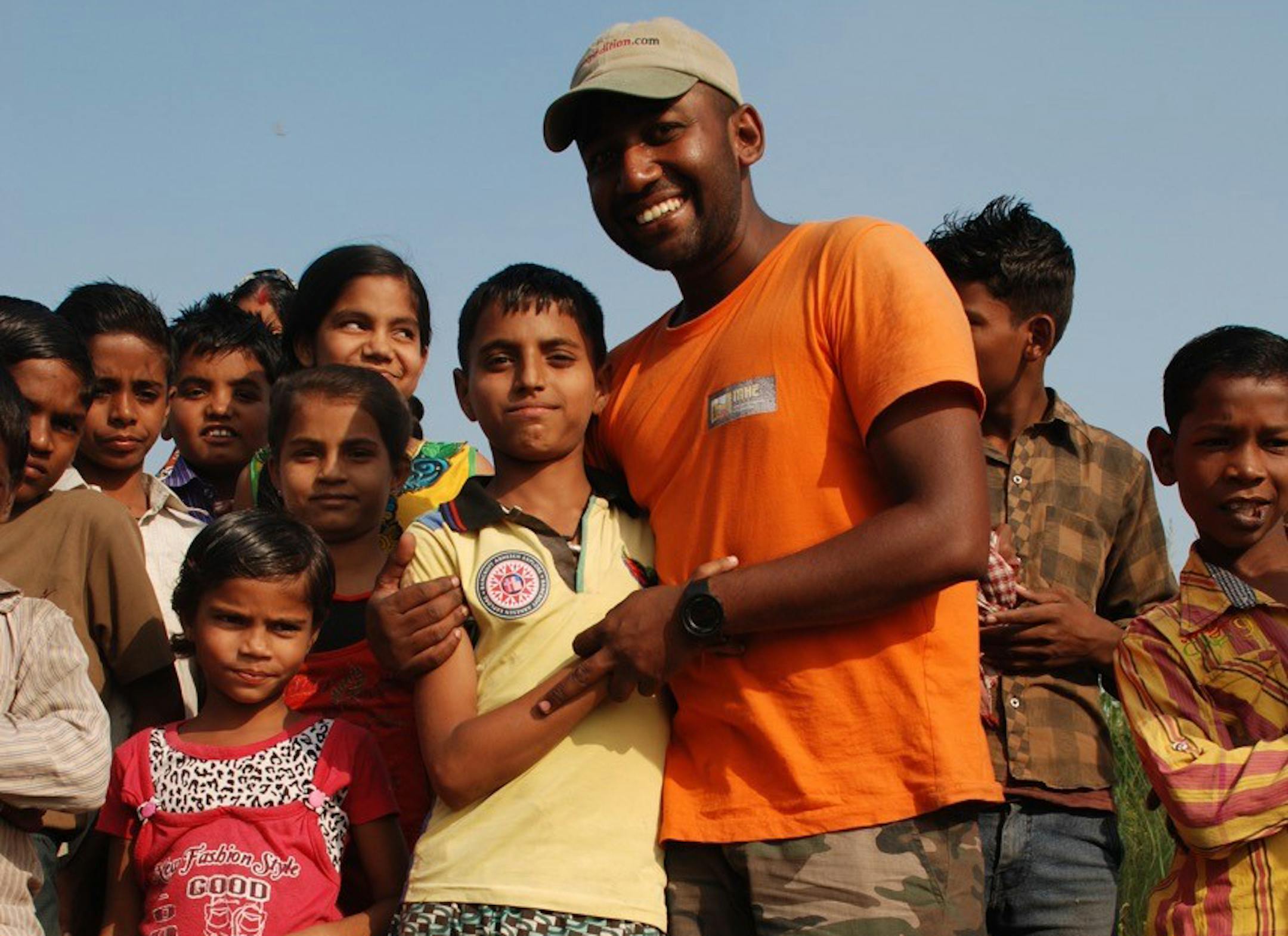
A group of women, only one of them Indian, traveling down the Ganges in rubber rafts drew lots of attention. "Huge crowds everywhere. They were curious, just wanting to look at you and watch what you're doing, often at very close range," Bancroft said. "As an introvert, that was challenging."
djoles@startribune.com Famed explorer Ann Bancroft recently returned from an expedition in India where she navigated the length of the Ganges River from the source in the Himalayas to the sea during a 50 day journey access water campaign.](https://arc.stimg.co/startribunemedia/CE723P5MQE2RFRTRKQLZKYS53E.jpg?&w=1080)