

On July 8, 1977, in Ely, the famed author and wilderness advocate Sigurd Olson was hung in effigy. The event was a congressional field hearing on pending BWCA wilderness designation. At the time, I was editor of a weekly newspaper in Ely.
Olson would tell me later he didn't take the slight personally; that he understood his efforts to expand the Boundary Waters Canoe Area and rid it of snowmobiles, outboard motors and loggers rubbed his fellow Ely residents wrong. It went with the turf, he said.
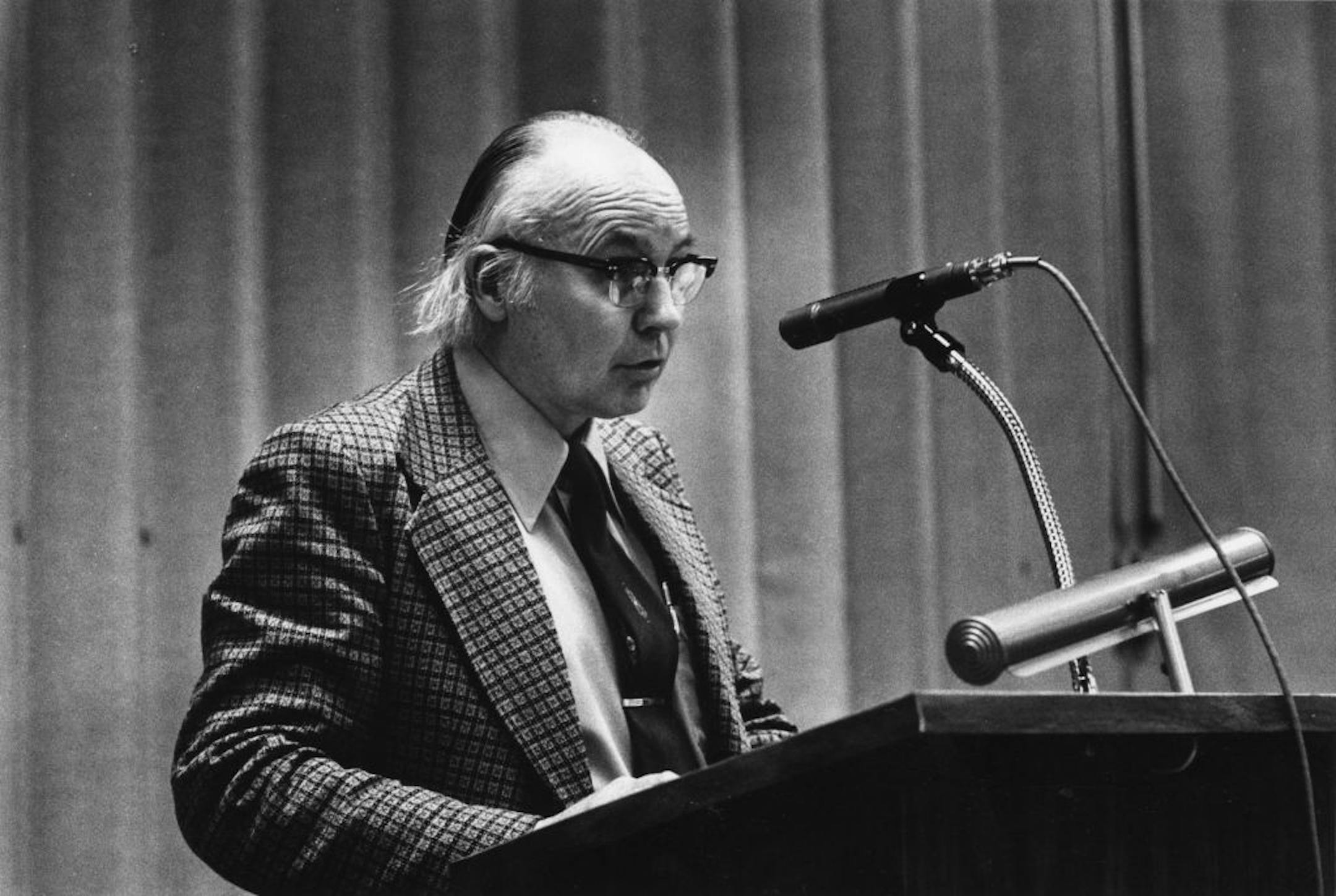
Olson's likeness wasn't the only one swinging that day. Miron "Bud" Heinselman's name also was tacked to the lynched dummy. A longtime Forest Service ecologist and researcher who had retired from the agency in 1974 (and died in 1993), Heinselman was in lockstep with Olson (1899-1982) regarding how the BWCA should be managed.
It was Heinselman's extensive research of the boundary waters ecosystem -- particularly its evolution by fire -- that helped form the foundation of Olson's and other wilderness advocates' envisioned management of the BWCA.
Olson's spirit still overhangs the Boundary Waters. But Heinselman's visage is there, too, particularly in the smoke that rises from the still-smoldering Pagami Creek fire -- just as it has hung over hundreds of other Boundary Waters forest fires started by lightning. And tens of thousands of forest fires nationwide.
Some history:
• 1965: The Forest Service instituted a management plan that divided the BWCA into a 600,000-acre Interior Zone closed to logging and a Portal Zone of 400,000 acres, where logging was allowed.
• 1972: a student group sued to require an environmental impact statement before the Forest Service allowed logging of BWCA old-growth forest.


