

"My best judgment of America's need is to steady down, to get squarely on our feet, to make sure of the right path. ... Let us stop to consider that tranquility at home is more precious than peace abroad, and that both our good fortune and our eminence are dependent on the normal forward stride of all the American people."
— Warren G. Harding, 1920
In the presidential election that took place 100 years ago, the winning candidate ran on a slogan that might have been soporific: "Return to normalcy." But for a country that had just endured the traumas of World War I, labor strife, a Red Scare and race riots, it promised a welcome respite. Harding got 60% of the popular vote.
Americans often gravitate to the opposite of what they have. Harding was nothing like his predecessor, Woodrow Wilson, whose visionary ambitions included remaking the entire world order. George W. Bush promised to "restore honor and dignity to the White House," an allusion to Bill Clinton's lechery.
Barack Obama, a former law school professor with a gift for inspiring oratory, was a departure from the folksy, inarticulate scion of a famous Texas political family.
Donald Trump, a thin-skinned narcissist with the vocabulary and impulse control of a 10-year-old, could hardly be more different from Obama. If Americans are weary of the turmoil that Trump has made the organizing principle of his presidency, they may be looking for a president they can occasionally forget about.
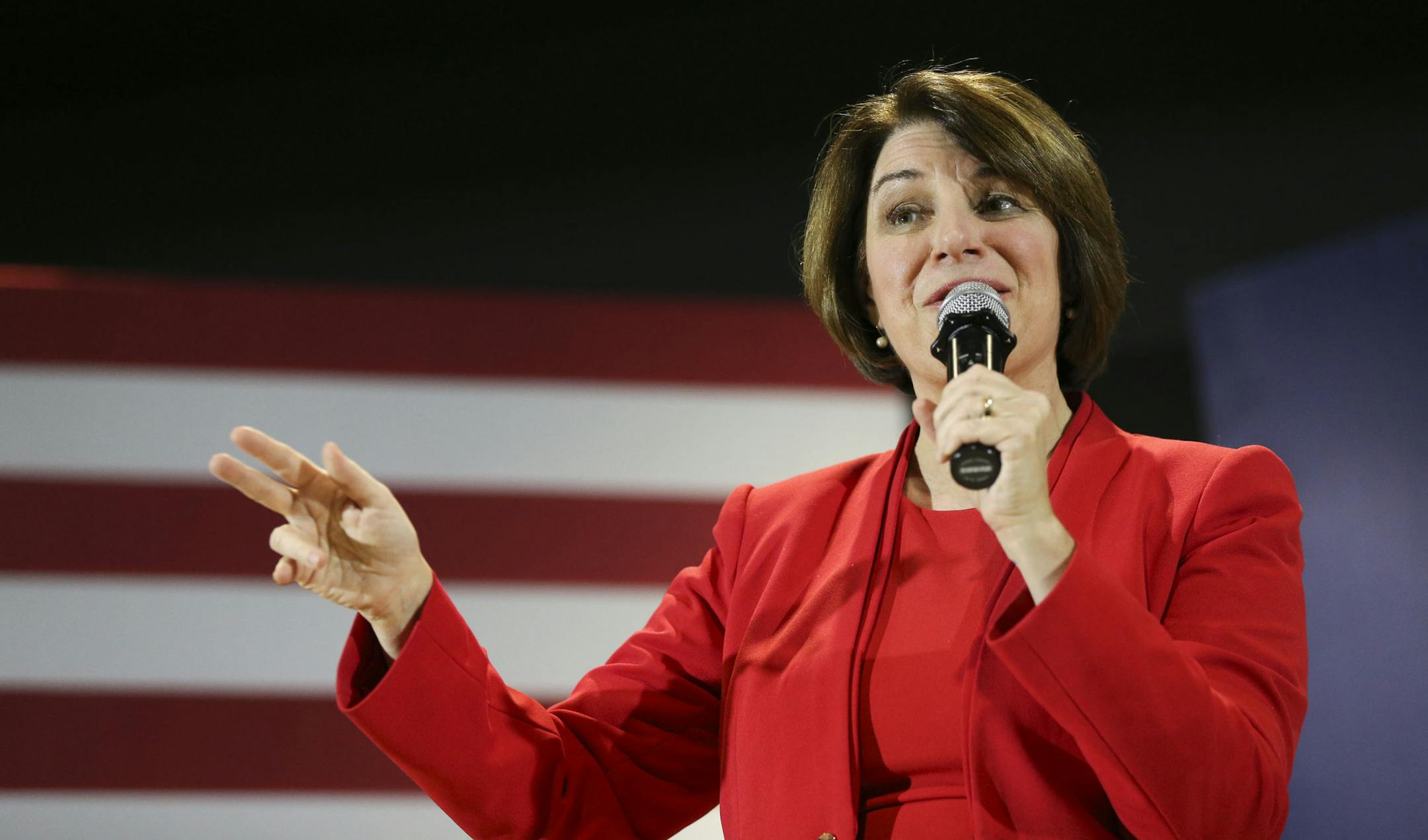
In that case, Democratic voters would do well to take a long look at Amy Klobuchar, whose restrained policies and unflappable manner are dull only in the best sense of the word. The qualities that make it hard for her to stand out in a crowded debate might endear her to anyone suffering from a four-year spell of jangled nerves.
Klobuchar is in her third term as a senator, and as Democratic members go, she leans toward the center. The website GovTrack reported that in 2018, 33 of the 47 Democratic senators were more liberal than she is.


