

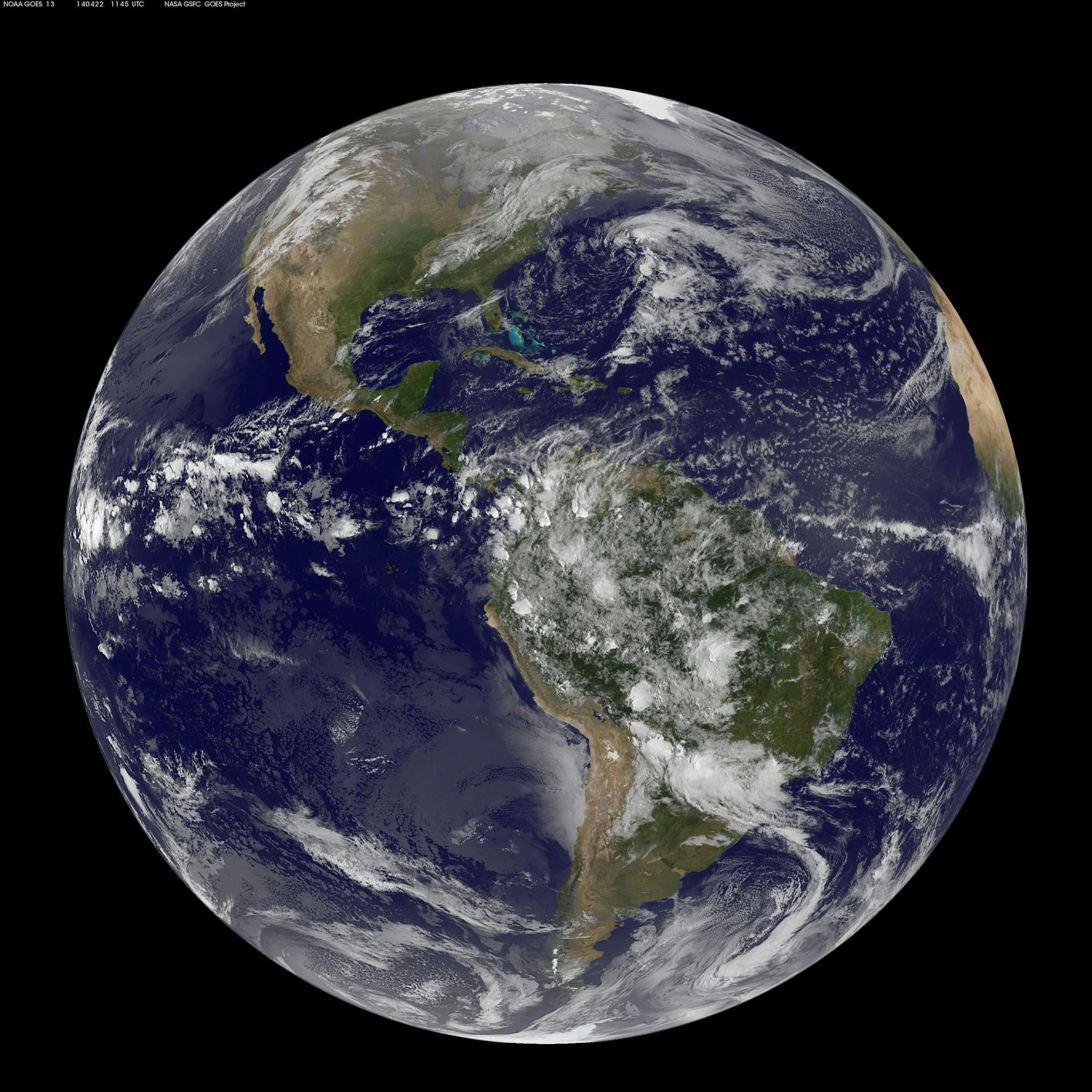
Ancient gases trapped within the Earth's mantle may reveal clues about our planet's earliest days. For the past decade, scientists believed our planet's memory was reset 4.5 billion years ago when an object the size of Mars slammed into the Earth, releasing enough energy to cause most of the Earth to turn into a liquid magma ocean. Any clues to the planet's earlier past, scientists thought, likely melted away in this last, great impact, which also created our moon. However, Harvard geochemist Sujoy Mukhopadhyay found evidence that the impact may not have affected the whole planet the same way. "The simulations … indicate that some regions got melted and vaporized, while the opposite side of the planet did not melt at all," he said. He and his colleagues found that the helium-3 to neon-22 ratio in the shallow mantle is higher than in the deep mantle. But if the entire Earth became liquid, there would not be a difference in the isotope ratio. "What this means is the Earth has memories that go back further than we thought," he said.
Los Angeles Times


