

Presidential candidates should talk directly to seniors, the generational experts urged. After all, they're passionate about issues, often feel neglected and greatly value face-to-face contact. They're even often found grouped together.
No, the experts weren't talking about aging baby boomers or members of the Greatest Generation now living in senior centers. They were focused on an emerging age cohort, Generation Z, some of whom are seniors in high school. Born between 1995 and 2012, the oldest Gen Zers are entering the workforce, campuses and soon the voting booth (an estimated 21 million are eligible, with about 3 million already registered). Often lumped together with much-discussed millennials, they're distinct in many ways, said the father-son team of David and Jonah Stillman.
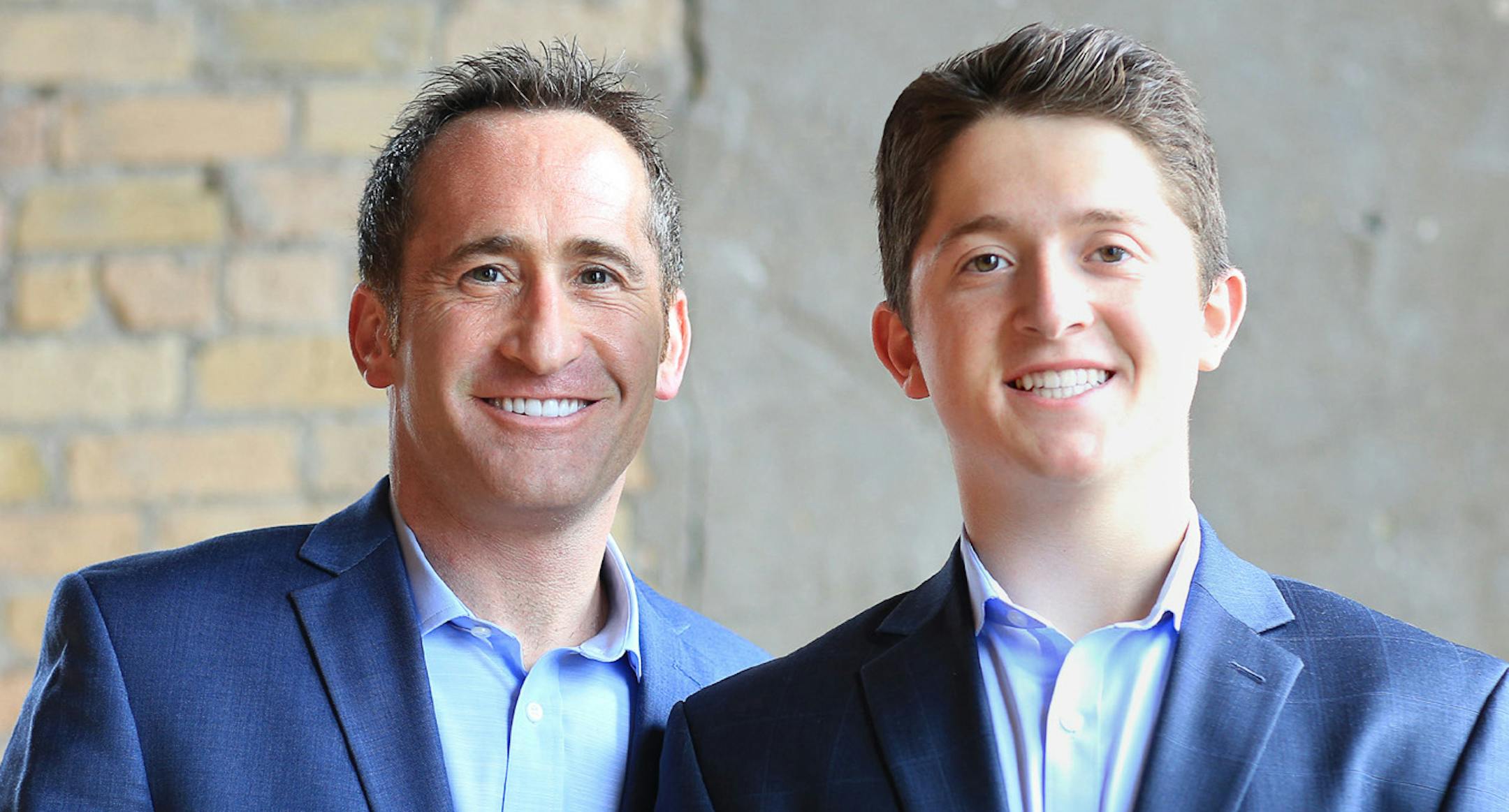
Generation Xer David, a nationally recognized expert in generational differences, helped launch We Day in the U.S. and in Minnesota. Jonah (Gen Z), is a 16-year-old student at Minnetonka High School. Together, they formed GenZGuru, which focuses mostly on the impact that Gen Z will have in the workplace. But recognizing Gen Z's political potential, the duo — along with six Minnetonka High School students — recently traveled together to Iowa to conduct pre-caucus focus groups with first-time voters. Their work, chronicled by MSNBC, shed light on how Gen Z views politics.
"Even millennials saw politicians reach across the aisle post-9/11. My generation has only seen politics completely polarized," said Jonah Stillman, echoing his own experience and what he heard from focus groups. Citing Northeastern University data, he added that only 3 percent of Gen Zers consider politicians role models.
Every generation is shaped by seminal events. World War II and the Great Depression defined the Greatest Generation. Assassinations and Vietnam seared older boomers, and Watergate and stagflation their younger boomer brethren.
For Gen Z, the defining event was the Great Recession, said David Stillman, who noted that even some cultural touchstones are different. Millennials grew up with "Harry Potter," Gen Zers with "The Hunger Games."
To be sure, there are several generational commonalities between millennials and Zers, especially regarding a technologically enabled hypercustomized world (playlists instead of CDs and Amazon "knowing" your purchase preferences, among many). But Gen Z, Jonah Stillman said, is more aware, and wary, of the perils of social media. It also may be a bit more digitally discreet — favoring Snapchat instead of Facebook, for instance.
And yet, their research indicates that it's not just a virtual world Gen Z seeks from politicians, or people in general. "Eighty-four percent in our national survey prefer face-to-face communication," Jonah Stillman said.


