

In response to a surge of opioid-related deaths, the Dayton administration is seeking federal permission to expand the use of Medicaid funding for residential drug treatment centers across the state.
This week, Minnesota joined a growing list of states requesting an exemption, or "waiver," to a 1960s-era rule that prohibits the federal-state Medicaid program from funding care at residential addiction treatment facilities with more than 16 beds. President Donald Trump and others have criticized the rule as an antiquated barrier to caring for millions suffering from drug addiction.
The request, if granted, would enable millions in new federal Medicaid dollars to flow to larger addiction-treatment facilities in Minnesota, and it would make services available to more low-income people who have been disproportionately affected by the escalating opioid epidemic. It would also encourage existing centers to expand and reduce long waits for admission into treatment centers. Currently, people can languish two months or longer on waiting lists.
"We have an addiction public health crisis, and this is one way to move us forward, by treating addiction like a chronic disease that requires multiple levels of care," said Claire Wilson, assistant commissioner for community supports at the Minnesota Department of Human Services, which submitted the waiver application.
Minnesota's waiver request is part of a broad package of changes as state and county agencies step up efforts around addiction treatment and prevention. This includes a more streamlined process for determining whether people struggling with addiction qualify for publicly funded care; as well as expanded Medicaid benefits for community-based services, such as care coordination and "peer recovery" support.
The changes come as the state struggles to contain a spike in the rate of deaths related to drug overdose. In 2016, 637 people died from drug overdose, up from 384 in 2010, according to the Minnesota Department of Health. In 2010, fewer than 10 people in Minnesota died from heroin overdose; by 2016, that number grew to 142.
Treatment centers across the state have eagerly anticipated the waiver request. They have been reluctant to expand until access to federal Medicaid funding is more certain.
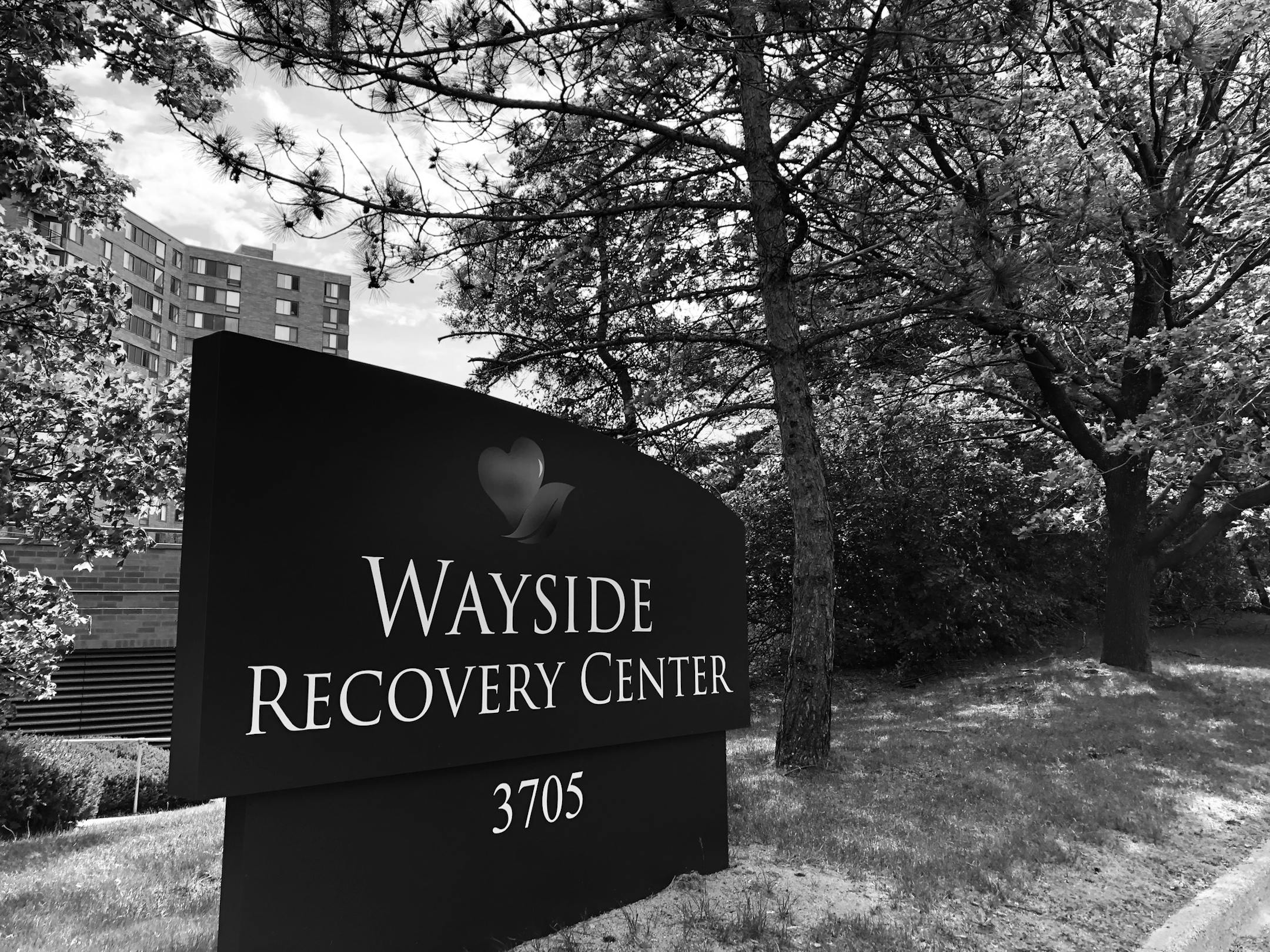
Karina Forrest-Perkins, chief executive of Wayside Recovery Center, a St. Louis Park-based nonprofit, said lifting the 16-bed limit would enable her organization to more than double its treatment capacity. Currently, Wayside has a total of 61 beds at its two residential treatment centers in the Twin Cities for women and families with substance use disorders.


