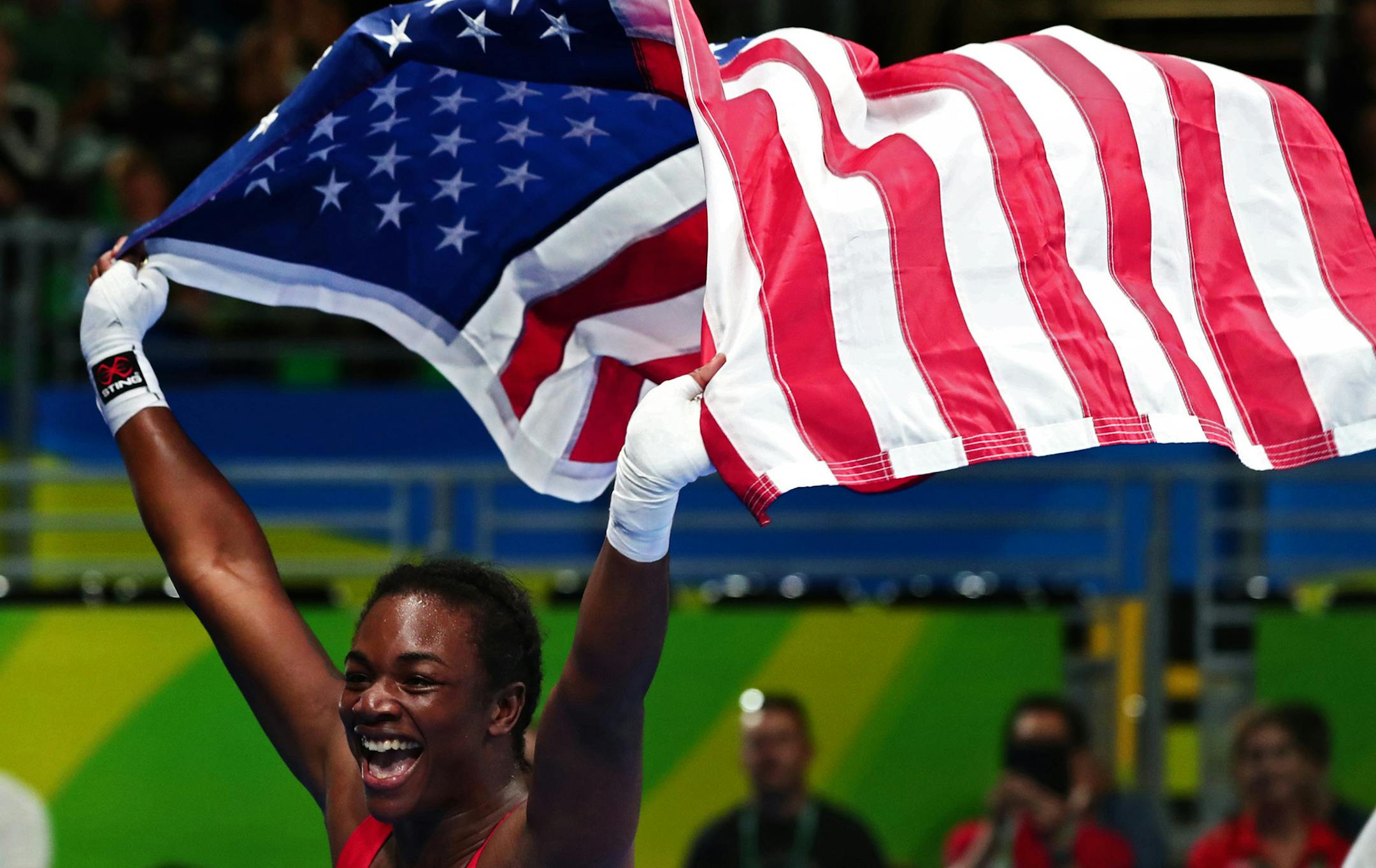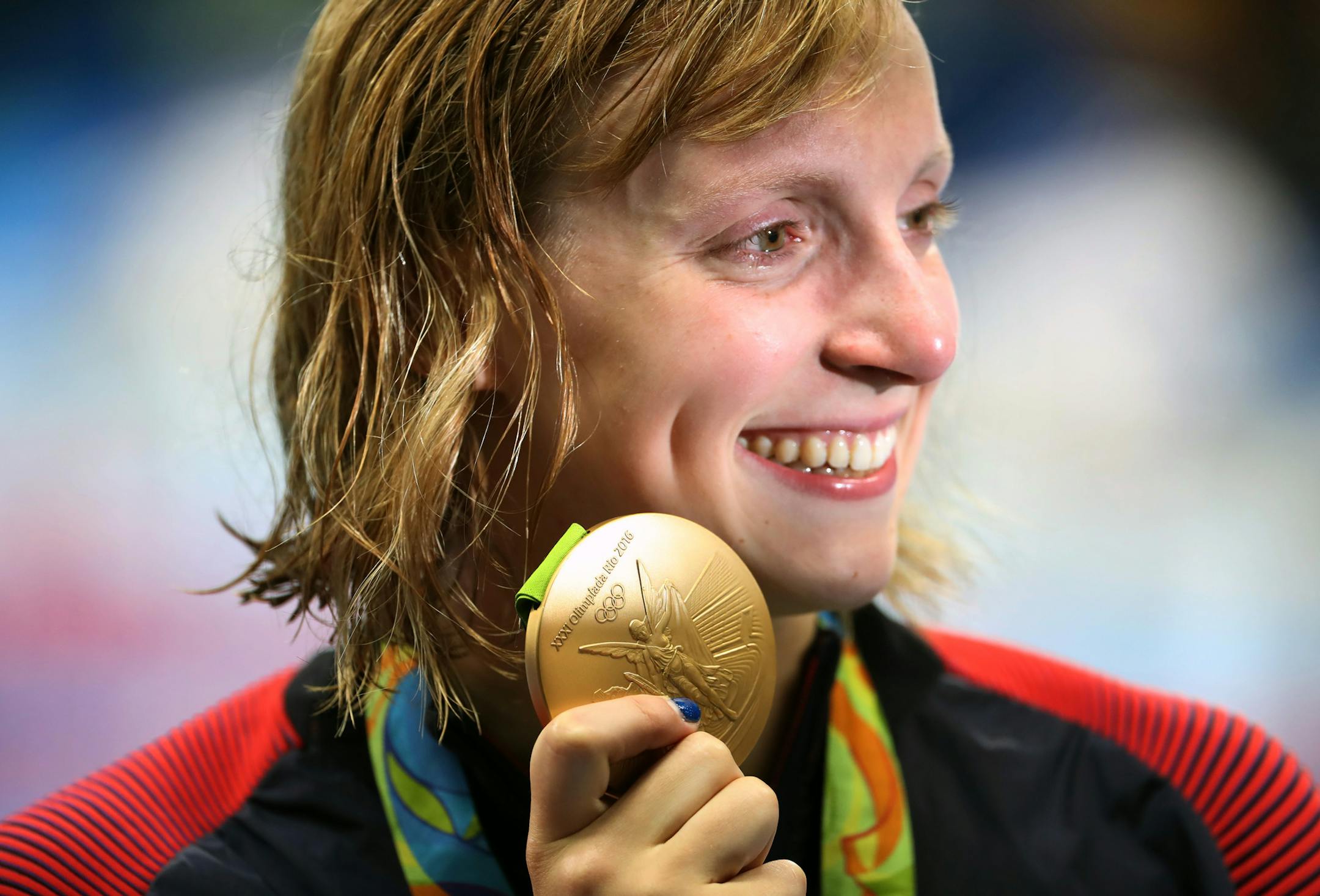
RIO DE JANEIRO – The United States has dominated the Rio Olympics. American women, if they had seceded before the Olympics, would have tied for first among all countries in gold medals with Great Britain, with 27.
The U.S. sent the largest contingent of female athletes — 292 — to the Olympics in the history of the Games.
Simone Biles, a young black woman from the South, where decades ago she would not have been allowed to drink from the same water fountain as whites, became an athletic and television star. She carried the American flag at the Closing Ceremony.
Katie Ledecky became the latest and next dominant American swimmer. The U.S. women's basketball team won its sixth consecutive gold medal. Sprinter Allyson Felix became the most decorated U.S. female athlete in Olympic history.
When asked why his team overwhelmed its competition, U.S. women's basketball coach Geno Auriemma ticked off a long list of reasons.
A society that encourages young women to play sports. Funding from the U.S. Olympic Committee. A large, diverse, relatively affluent population. Excellent coaching.
"And college," he said. "You know, other countries do very well in under-16 and under-18 tournaments. The Russian under-18 team is phenomenal. I think the difference is that our women go to college and receive excellent coaching and get a chance to grow up while competing at a high level."
Enacted in 1972, Title IX guaranteed women an equal opportunity to participate in college athletics. It is not the sole reason for the Olympic dominance of U.S. women — many gymnasts and swimmers begin winning medals before they graduate from high school — but it has helped grow the ranks of female athletes, and has given girls incentive to pursue sports and athletic scholarships.