

Just hours after the two suspects in the Boston Marathon bombing were identified as Muslims, Rep. Peter T. King of New York, the Republican chairman of the House Subcommittee on Counterterrorism and Intelligence, called for an "increased surveillance" of Islamic communities in the United States.
"I think we need more police and more surveillance in the communities where the threat is coming from," he told the National Review. "The new threat is definitely from within."
King's hypothesis, and the widespread surveillance policies already in effect since 9/11, assume that the threat of radicalization has become a matter of local geography, that American Muslims are creating extremists in our mosques and community centers.
But what we're learning of the suspects, the brothers Tamerlan and Dzhokhar Tsarnaev, suggests a different story, and one that has itself become familiar: Radicalization does not happen to young people with a strong grounding in the American Muslim mainstream; increasingly, it happens online, and sometimes abroad, among the isolated and disaffected.
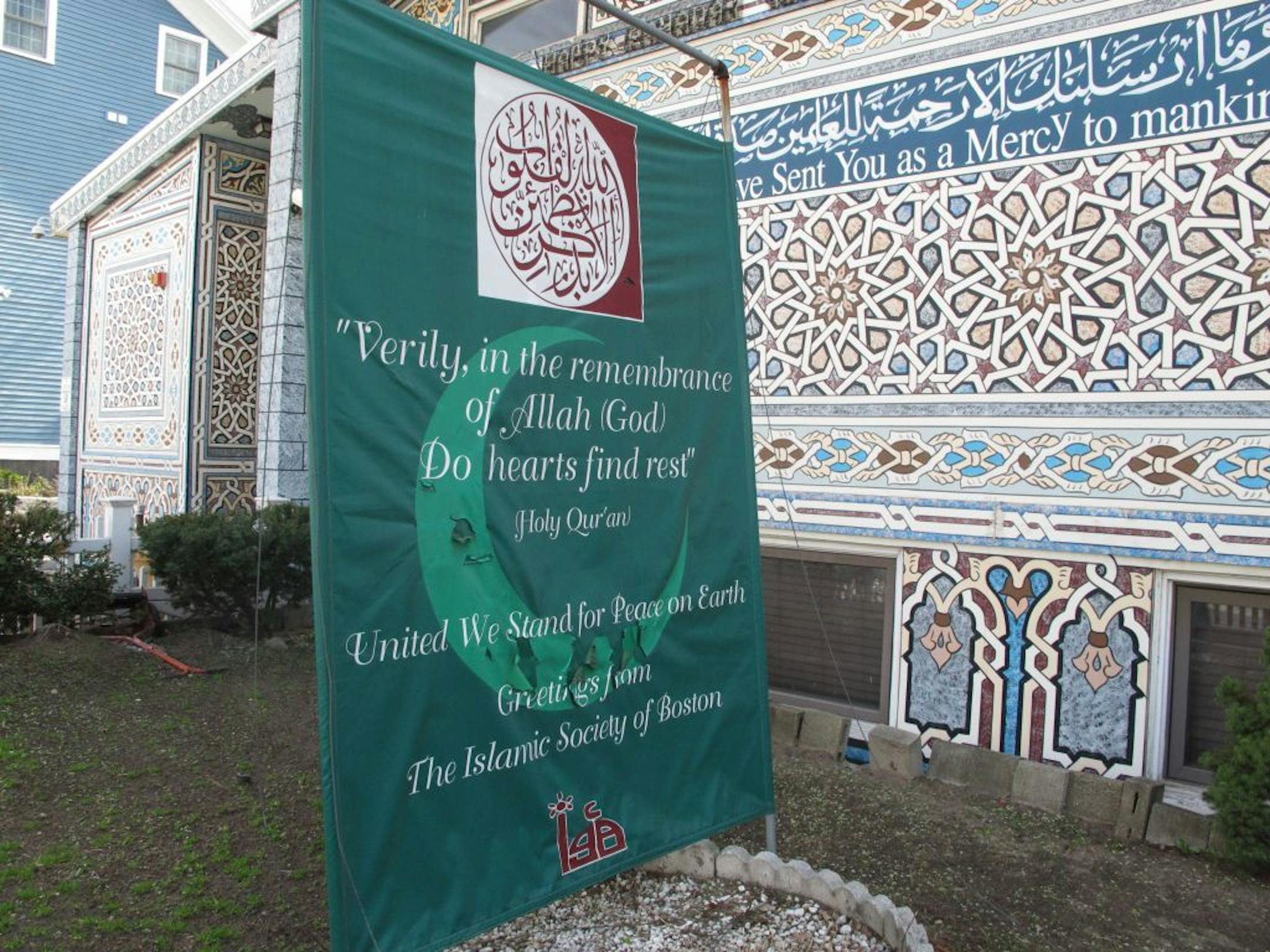
The YouTube page of Tamerlan Tsarnaev, for example, does not contain a single lecture from a scholar, imam or institution in America. One report suggests that he found the theology taught in a local Cambridge mosque, the Islamic Society of Boston, unpalatable: while attending a Friday service in which an imam praised the life and work of the Rev. Dr. Martin Luther King Jr., Tsarnaev shouted that the imam was a "nonbeliever." The younger Tsarnaev brother seems to have rarely attended a mosque at all.
Rep. King's theories also fail to explain why, if young people are being radicalized within mainstream Islamic communities, there aren't more attacks like the one in Boston. By some measures Islam is the fastest-growing religion in the United States, and the last decade has seen a rapid expansion of Muslim institutions across the country.
Yet what's most obvious to anyone who has spent time in these communities is that whether they are devotional or educational, focused on the arts or on interfaith cooperation and activism, this mediating set of American Muslim institutions is keeping impressionable young Muslims from becoming radicalized.
Take the Islamic Society of Boston Cultural Center and its range of devotional, arts and educational programs, from preschool to a seminary. Or Chicago's Inner-City Muslim Action Network, complete with a medical clinic, civic leadership education and a summer music festival that draws on the biggest names of Muslim hip-hop to promote peace through community organizing. Or Zaytuna College in Berkeley, Calif., the nation's first four-year Islamic liberal arts school.


