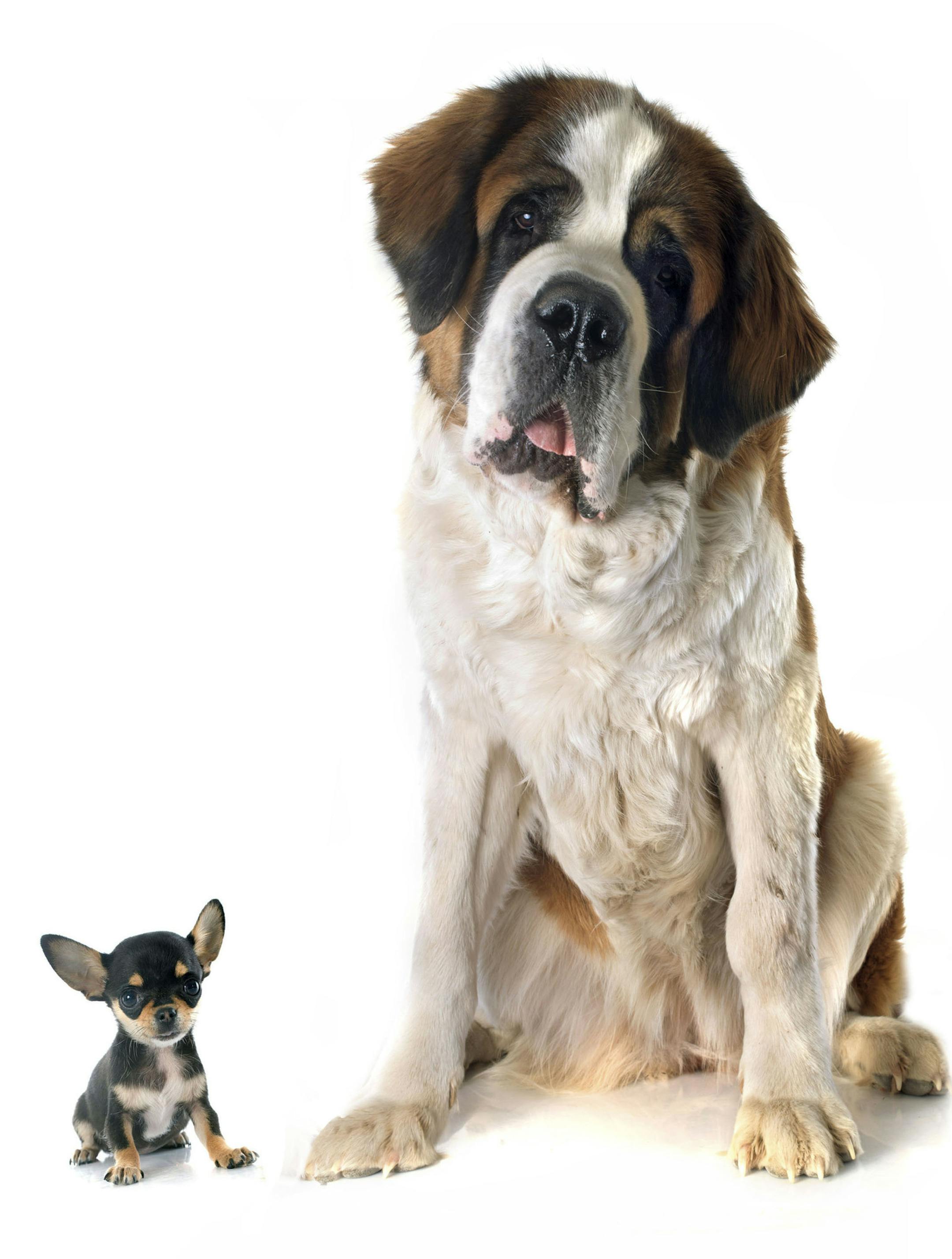
djoles@startribune.com Aging Boomers are starting to wonder whether it's time to downsize their dogs.](https://arc.stimg.co/startribunemedia/EWJXIT6TW66WEWGX52CUC65QOE.jpg?&w=1080)
Sue Bohlmann always loved big dogs. Golden retrievers, especially. Then she and her husband added a Bernese mountain dog to the mix.
"Big dogs have such a presence," she said. "They like you to bury your head in their big chests or ram their big bodies into you. They're just so comforting."
But when their four-year-old Bernese died suddenly and they had to put down their aging golden shortly thereafter, Bohlmann, 69, took a serious look at downsizing her dogs. "I wanted to make sure I was diligent in my choice, because I would be moving into my 70s with whatever breed we chose," she said.
She and her husband, Pete, now share their Minnetonka home with a couple of tiny tail-waggers: an energetic and agile 11-pound Havanese named Mateo and a 6-pound papillon-Maltese mix named Gretel, whose good looks make up for her lack of smarts, Bohlmann joked.
More than half of U.S. households own a dog that weighs less than 25 pounds, according to the marketing research firm Packaged Facts. The trend toward pint-size pooches has been documented since 2000, but has accelerated in recent years in part because of an aging population of baby boomers such as Bohlmann.
As these dog lovers head into their golden years, the notion of scaling down becomes more pressing. Bodies are aging, strength is waning and occasionally we are less sturdy on our feet.
"If you're concerned about falling, having a big, boisterous puppy in your household could be challenging," said Cindy Johnson of the Minnesota Animal Humane Society.
In addition, many senior high-rises and assisted-living communities have size restrictions, which make it difficult to bring larger breeds with you if you need — or want — to move.
djoles@startribune.com Aging Boomers are starting to wonder whether it's time to downsize their dogs.](https://arc.stimg.co/startribunemedia/5FJ4N3LWXL4ADLH2RLHO7DOLXU.jpg?&w=1080)