

The Super Bowl is coming. And, like so many other things in life, it is full of contradictions.
It is true all over the world that sporting events bring people together, connecting us emotionally in the drama of the moment. Years ago, I found myself hugging strangers at a high school basketball tournament when our team scored in the final second of the game to win the boys' state championship. Following the Vikings' last-seconds win over the Saints a couple of weeks ago, we found our usually not-sports-focused staff talking about the excitement of the game at our staff meeting. And, of course, we also mourned the loss to the Eagles.
But I cannot ignore other facts associated with professional football — the corporate control (that seeks to even limit the ability of players to protest), excessive spending (the $500 million in state and local money that supported the building of U.S. Bank Stadium) and the danger of head injuries (so glad my son stopped playing football after his junior year in high school).
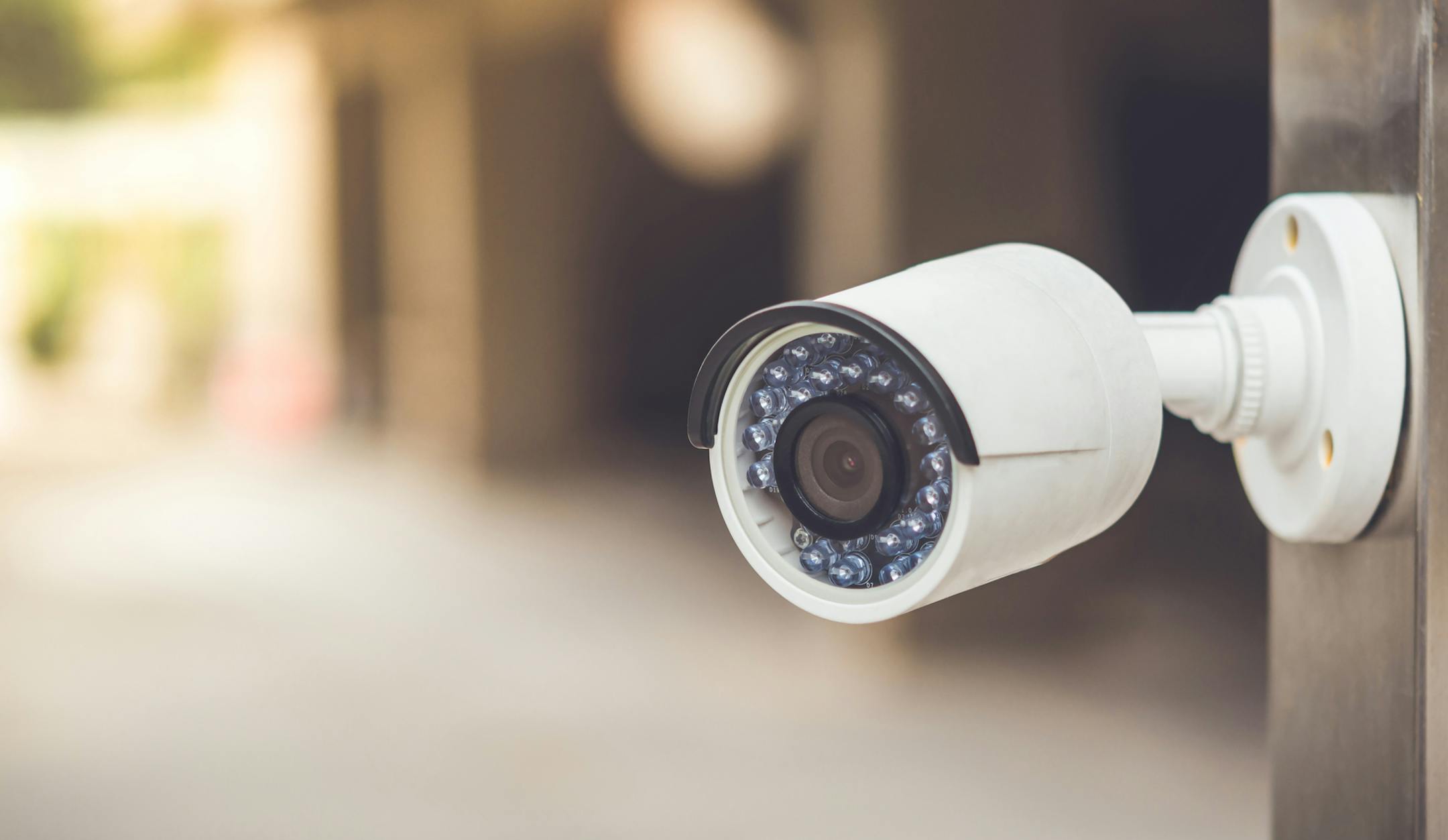
As the Super Bowl approaches, and we hear of the increased police presence, rooftop snipers and cameras, the same sense of contradiction surfaces. This event will bring to our city the largest number of federal agents in Super Bowl history. In the wake of violence at events such as the Boston Marathon and the Las Vegas music festival, we are afraid. We want to be safe, but it is also important to ask: Do we want to be surveilled? And are we willing to acquiesce to high-tech surveillance functioning as modern-day profiling?
The Super Bowl buildup has drawn our attention to how the event will affect our lives during the 10 days of festivities. We have heard that the area surrounding the stadium will be cut off from public traffic, even displacing a homeless shelter within the secure perimeter around the stadium.
Light-rail lines will be limited to ticket holders who must go through security before boarding. There was an outcry when local residents learned they would not have access to the light rail during the designated time, so Metro Transit agreed to free bus service along those routes.
But even after the game is over and all of the visitors have left, the measures that we think of as security can remain — in the form of cameras, military-style equipment and a continued buildup of a culture of surveillance. Millions of dollars are spent at events like this to enhance security, and with new technology always being developed, high-tech security is growing more expensive and more intrusive.
When Brazil hosted the FIFA World Cup in 2014, the country was reported to have spent at least $900 million on everything from personnel to drones to facial-recognition goggles and more. Leading up to the Super Bowl in 2014, 200 security cameras were installed in midtown Manhattan. Planners for Super Bowl 50 in the Bay Area built on the existing surveillance infrastructure with new equipment "to ensure authorities are aware of all activity in the area, suspicious or otherwise."


