2:59
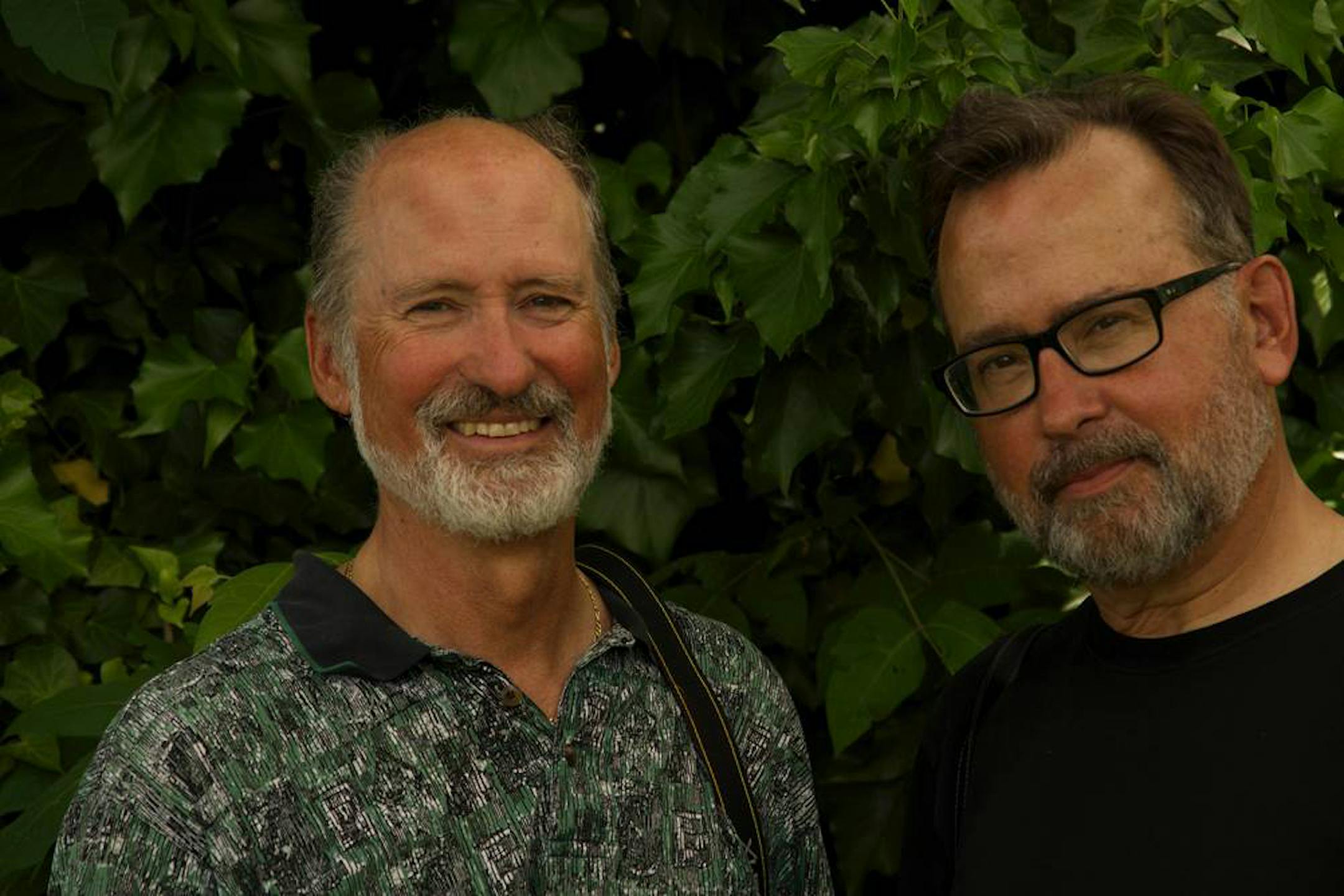
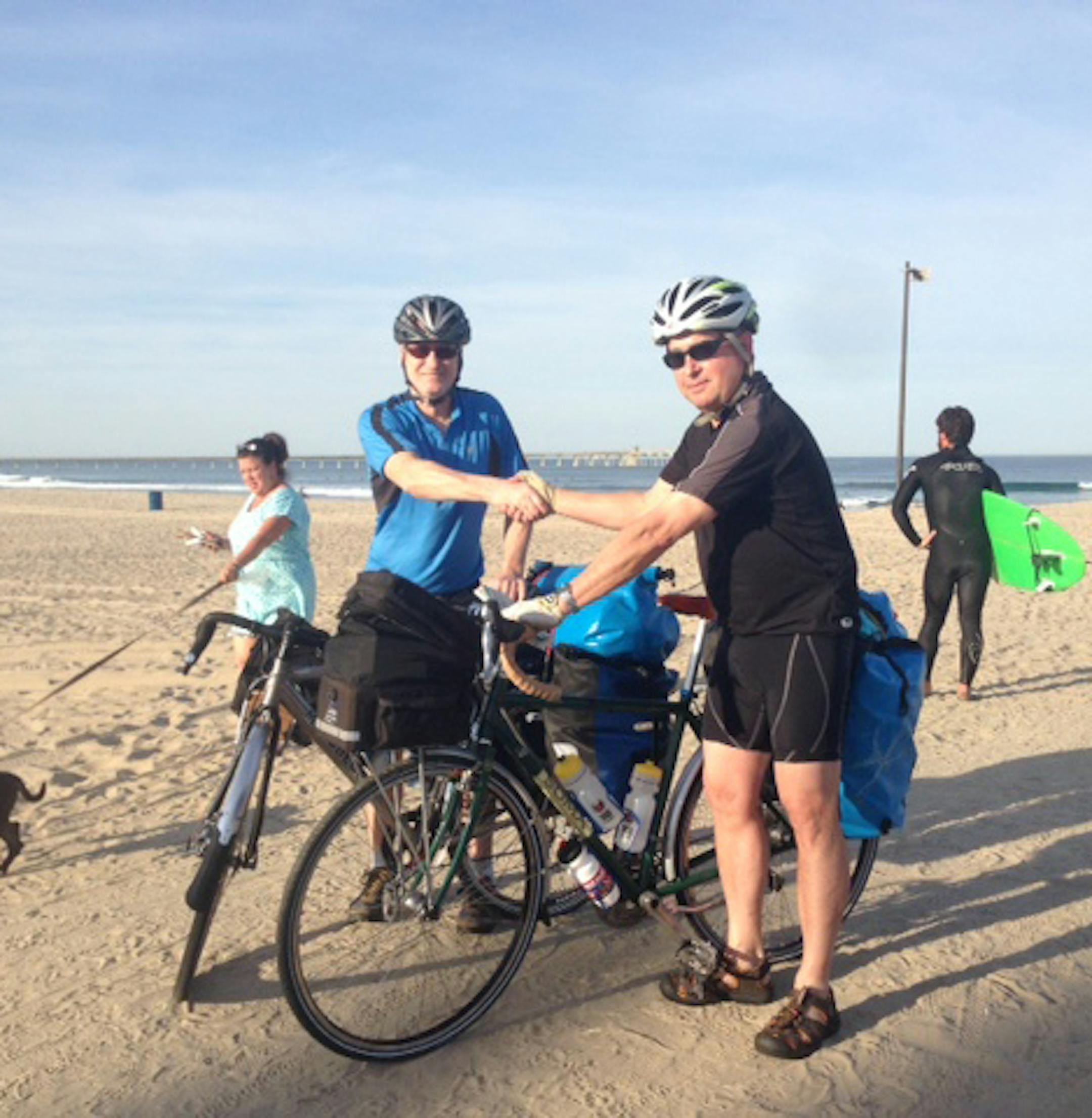
2:59Looking back, our big bicycle ride across America this spring pivoted at a little point: Pampa, a town of 18,000 in the Texas Panhandle.
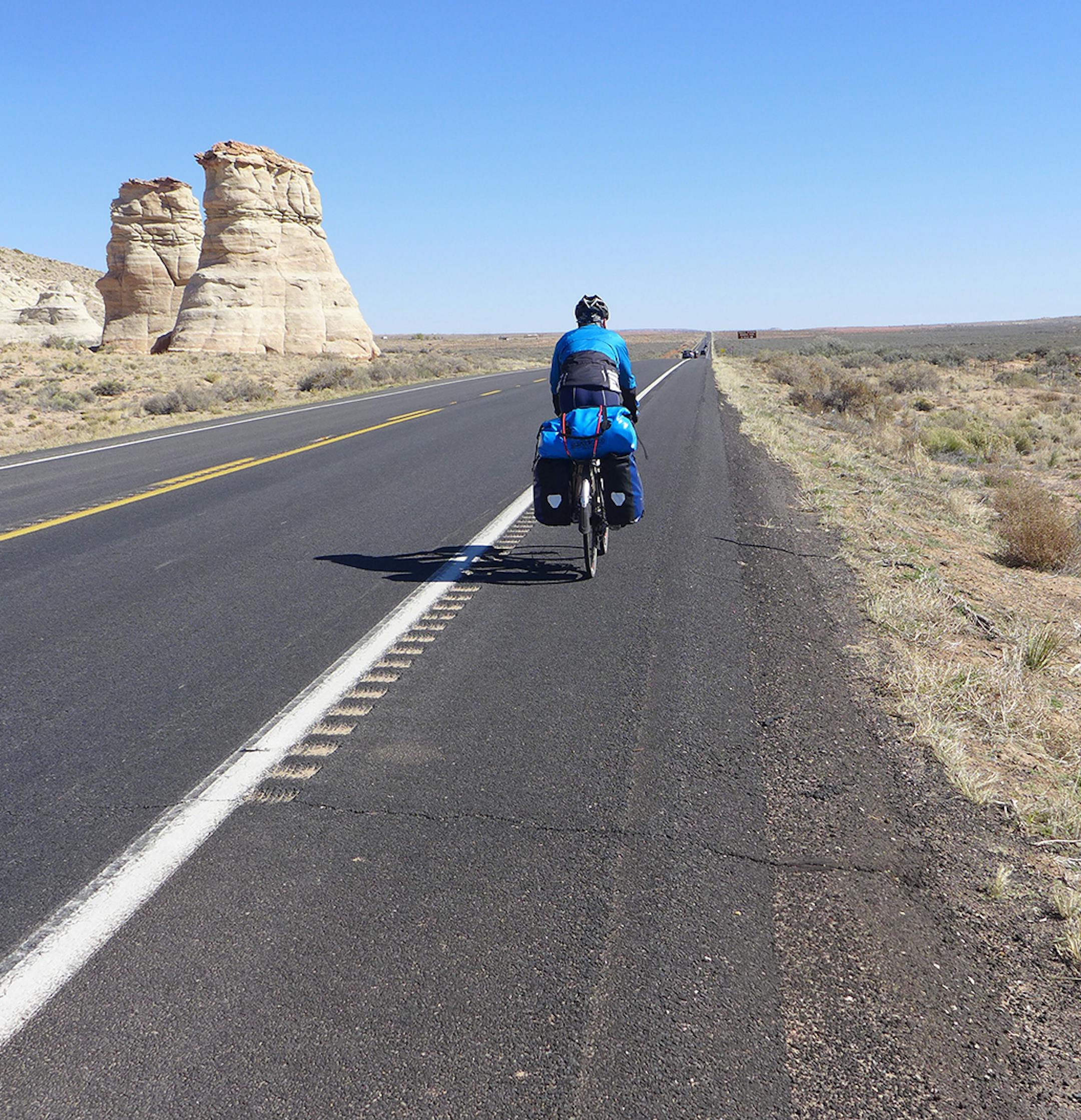
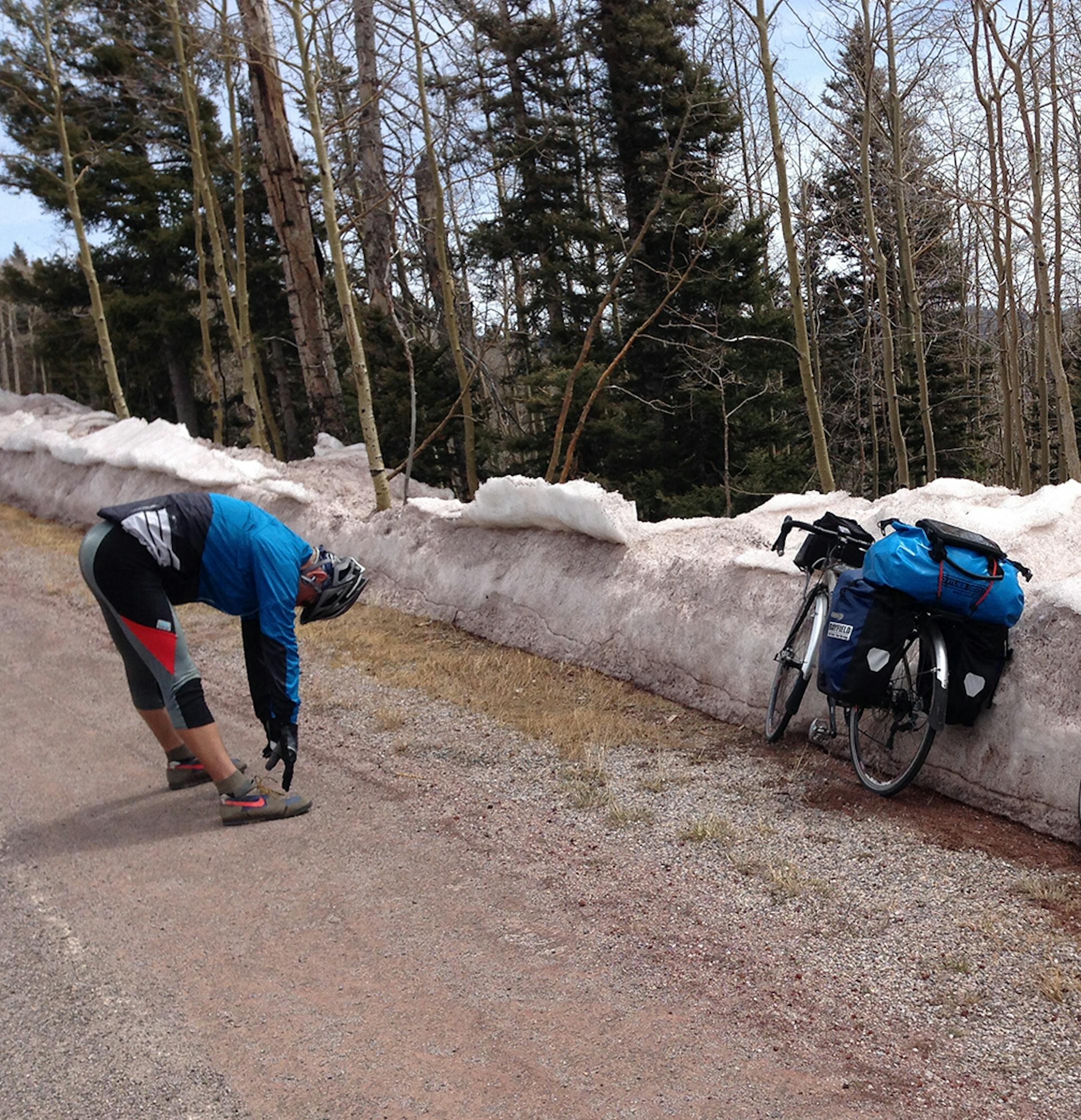
By then, in early April, about three weeks and 1,300 miles into a seven-week trip, my friend Will Fifer and I had ridden through an amazing and sometimes comical series of misadventures. We'd had stunning damage to both of our bikes (a crash that took out eight spokes and bent the fork on my bike; the bizarre failure of the crank set — the pedaling mechanism — of Fifer's bike); slogs across the California and Arizona deserts in searing, unseasonal heat waves; an accidental escapade over a snow-covered, 10,000-foot pass in New Mexico; a rather too-frequent series of frightening near-miss moments with trucks, buses and cars; and a week's worth of dreadful days fighting biblical head winds of 25 to 40 miles per hour when we hit the Great Plains.
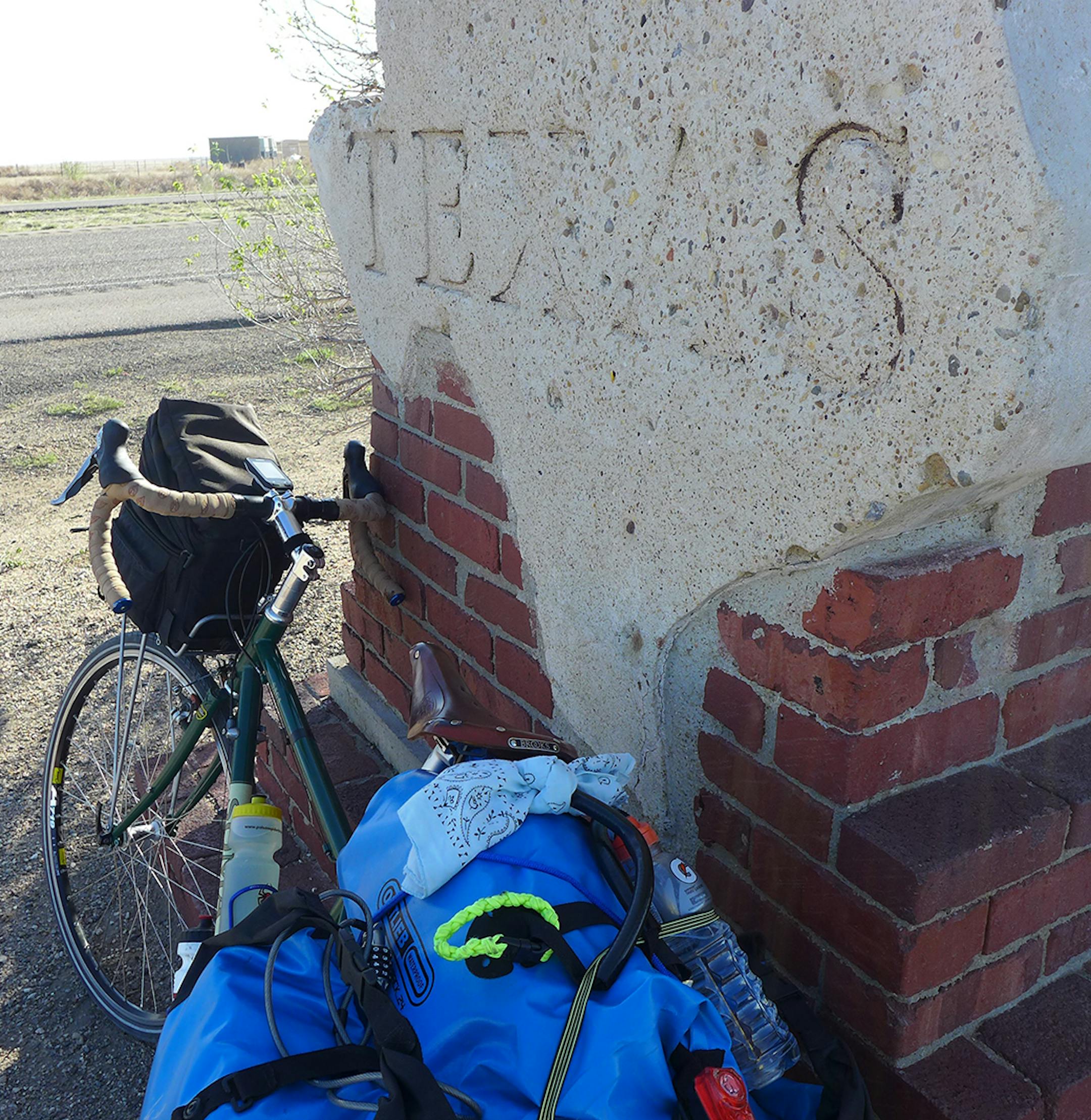
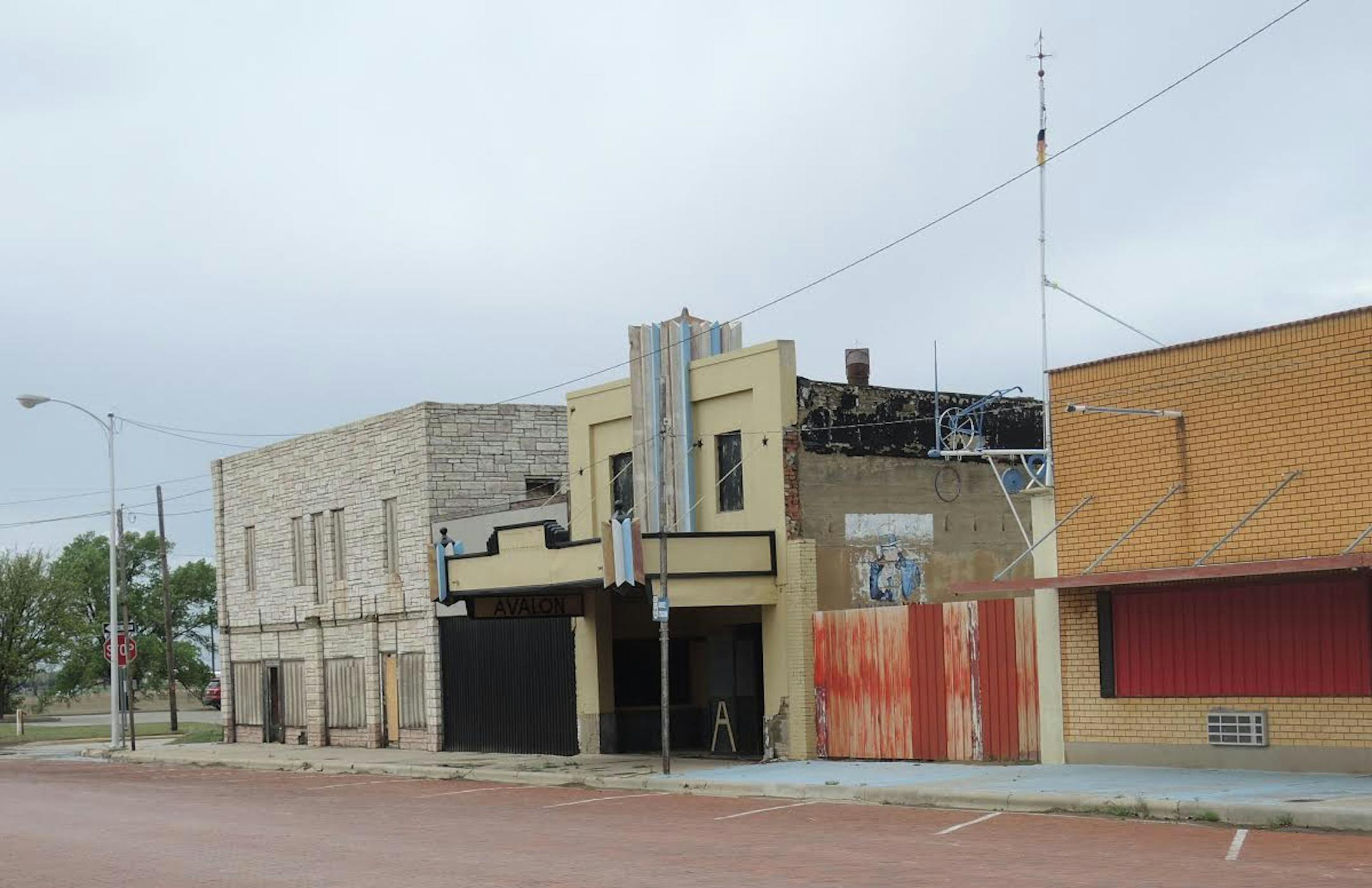
So, near nightfall on that April day, after 11 hours of dodging tumbleweed and airborne chunks of sod, we hit Pampa in a bad mood, and were greeted by unfriendly traffic, dreary blocks of vacant buildings and air redolent of vented oil wells.
After Pampa, it was difficult to surprise us. The romance of bicycle touring? We still had some. By then, we'd seen the sun rise on too many deserts and mountains; too many kind people had helped us or wished us well; we'd had too many long, lovely rides to forget why we'd come. But Pampa was our touring rite of passage. We'd matured. We'd been humbled — but humbled with stronger legs and the promise of new maps.
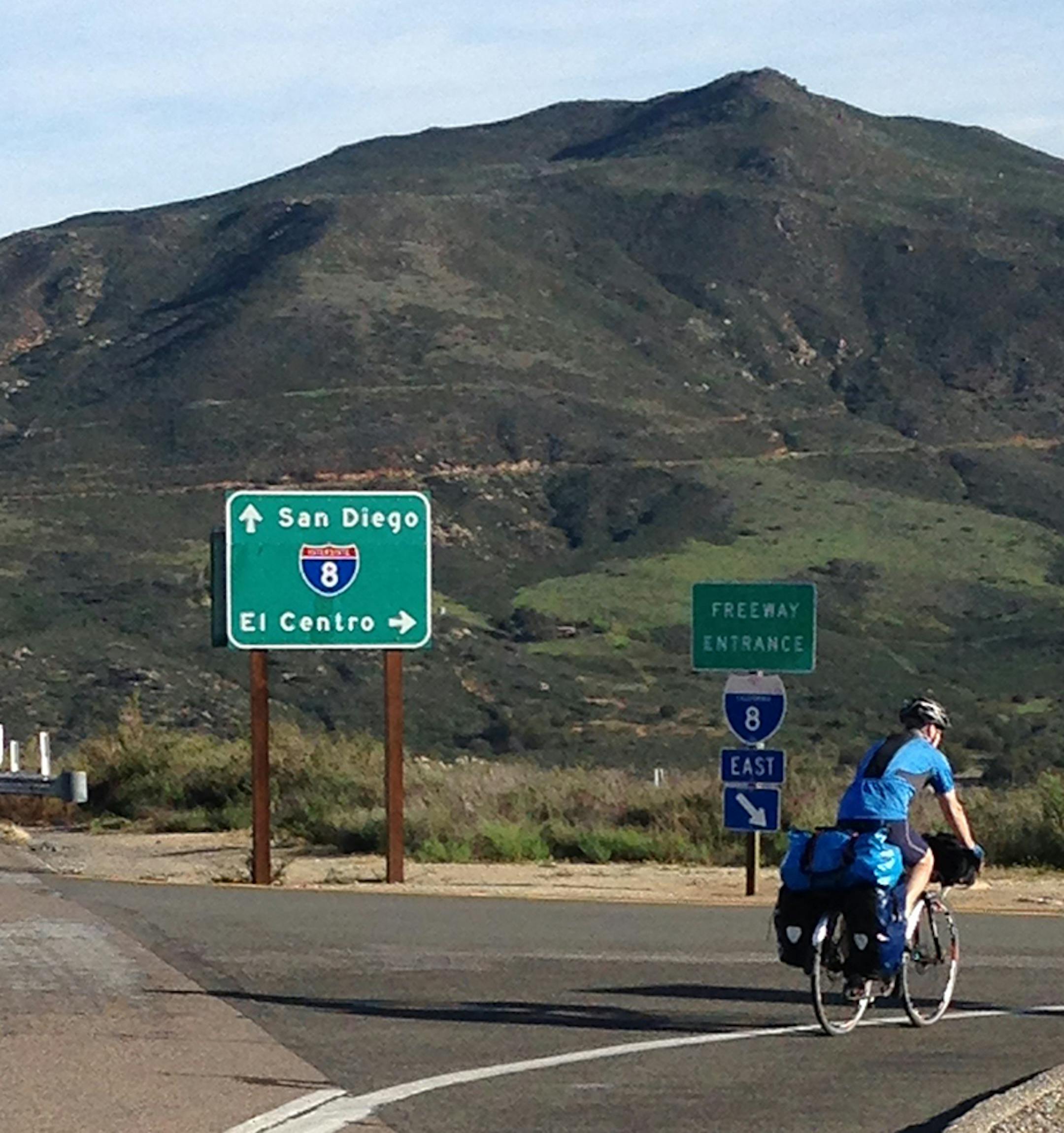
Similar to life and literature, this arc of experience and growth (and saddle sores) was supposed to be one of the attractions of this trip for two 60-year-old friends riding 3,100 miles from San Diego to Savannah, Ga. The ride was supposed to be difficult, unpredictable, a challenge. We'd told ourselves that over and over: This is going to be hard. Really hard. But, in truth, we had no idea what weeks of 50- to 90-mile days would be like. We had no idea, frankly, that Oklahoma was really that big. Or that, after Pampa, we'd ride 810 miles over 11 straight days.
We came home with panniers filled with large and small moments that together refreshed us and to a significant degree made America exotic again. Can you make such a ride and not be changed? What does it all mean? Well, at close range of only several days back in Minneapolis, it's safest to stick with lessons learned and hard-won observations:
It helps to be lucky. We rode for 50 days, and on only one of them did we have to take cover from storms. All the other days' rains were light enough to keep riding. Riding west-to-east and with a mid-March start, we hoped to harness prevailing west winds and avoid 90-degree heat in the deserts and the Deep South. Neither of those tactics worked. But the truly dangerous weather was always ahead of us or behind. If we had left two days later, we could have been pinned down for days by tornadoes and storm fronts.
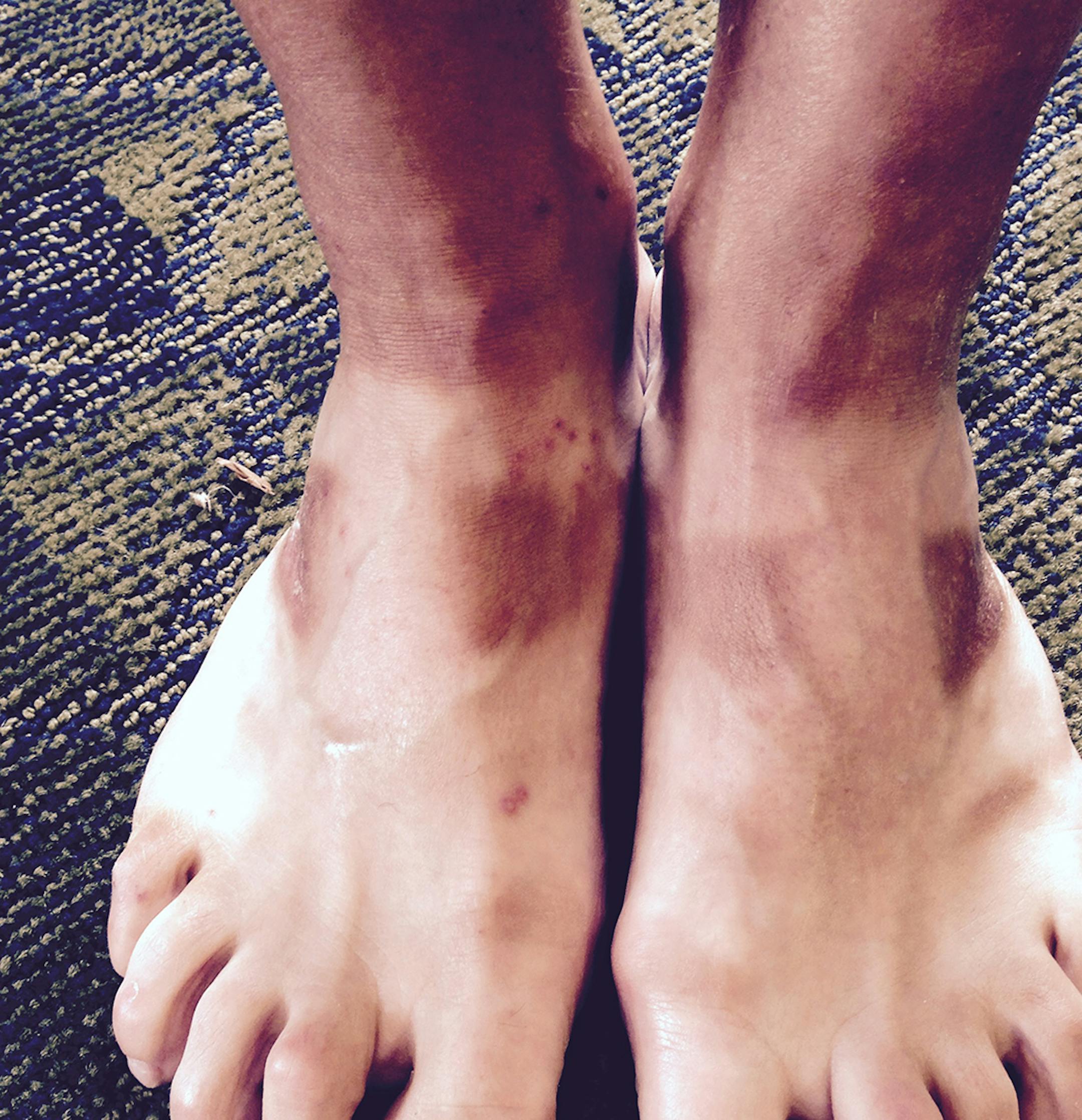
We're physically intact. We didn't get sick. We were not run off the road. We came home in decent shape: a little sunburned, slightly scraped up, and skinnier (Fifer lost 10 pounds; I lost 14). Our only definite near-death experience occurred on Hwy. 160 heading east out of Durango, Colo. A flatbed truck came up behind us at highway speeds, hauling another truck that was facing backward on the bed. The driver's side door had blown open, extending it out like a plow across the shoulder of the road — road that we inhabited, me in front, Fifer 50 yards back. The door whooshed over Fifer's head. He looked up in time to see the door clear my head by about 8 inches. It felt closer.