

After a bustling spring, homebuilders in the Twin Cities hit the pause button last month.
Applications to build for-sale houses were nearly flat while rental apartment construction tanked, reversing a two-month trend. During July, 477 permits were issued to build 659 units, according to Housing First Minnesota. That was a 5.1 percent increase in permits from the same period a year ago, but a 40.4 percent decline in total units.
"We know the demand is there," said David Siegel, executive director of Housing First Minnesota. "We believe if builders were not constrained by the labor shortage and the high cost of land and regulations they could better meet this demand."
Of all permits issued during the month, 459 were to build single-family houses, 4 percent more than last year. Applications to build multifamily units, mostly rental apartments, fell 68 percent when compared to July 2017.
The one-month snapshot reflects the volatility of the business rather than a trend. Apartments and other multifamily construction led the industry out of the recession; single-family houses are gradually replacing them.
The number of permits issued this year is slightly ahead of 2017's pace, but planned units are down 11.9 percent mostly because of a decline in multifamily units. July was the worst month for apartment units in more than a year.
Because a single-family permit can be pulled to build more than one unit, a lull of new apartment buildings during the month can dramatically impact the report, which is commissioned by Housing First Minnesota, the professional association that represents homebuilders in the metro formerly known as the Builders Association of the Twin Cities.
Homebuilders had a particularly strong spring, especially those that offered entry-level options in the inner-ring suburbs. During May single-family permits were up 30 percent, followed by a 13 percent increase in June. A shortage of existing home listings for first-time buyers is forcing many to visit their local builder, but cost is a key issue since new homes are typically much more expensive than existing houses.
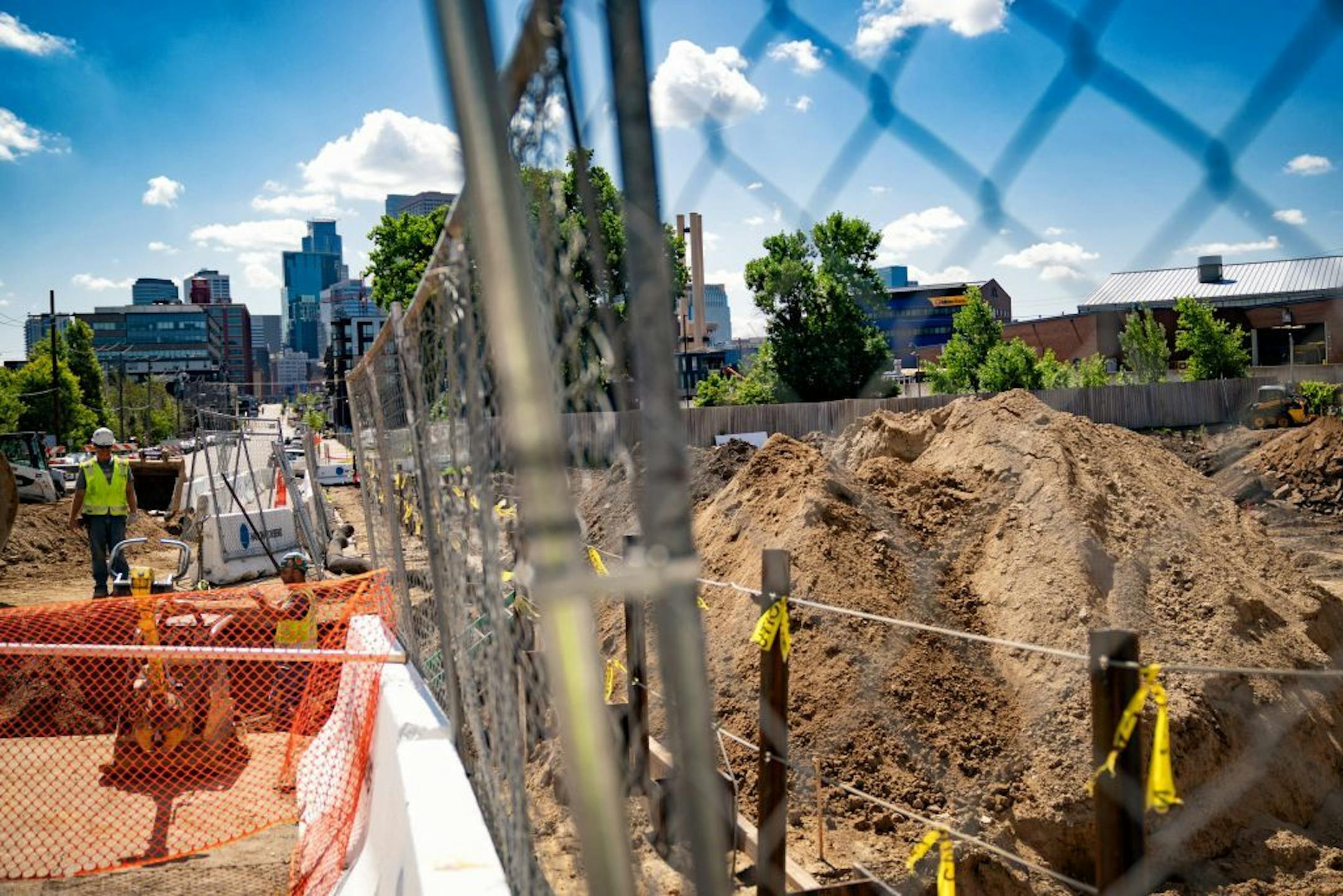
![Workers connected water and sewer lines to the construction site of Great River Landing at 813 North 5th St., Minneapolis. ] GLEN STUBBE ï glen.stubbe@startribune.com Tuesday, July 31, 2018 The biggest project permitted during the month was Great River Landing, a 48-unit supportive housing project launched by Beacon Interfaith Housing Collaborative and Better Futures Minnesota for people who have been incarcerated.](https://arc.stimg.co/startribunemedia/BT2OUN546CGA3ZXJZSFZE6ABPU.jpg?&w=1080)


