

The most important story in the world last week may not have been the Trump-Kim summit or Michael Cohen's congressional testimony. Instead, it might have been the brinkmanship between nuclear-armed India and Pakistan.
The two South Asian nations have fought four wars since independence in 1947, and they could have been on a path to a fifth, only this time with an arsenal that could mean catastrophic consequences for the region, if not the world.
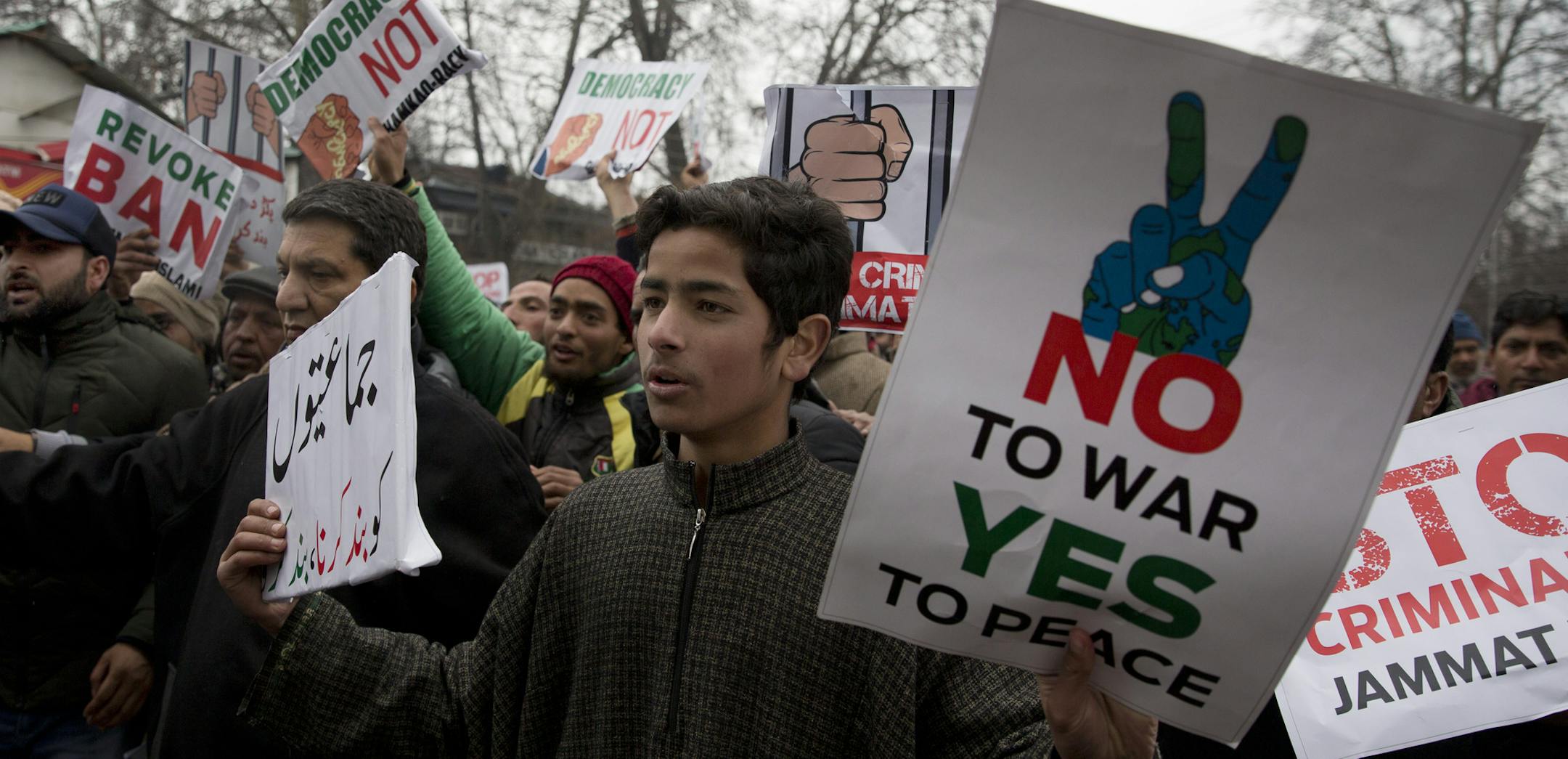
The precipitating event was a Feb. 14 suicide car-bombing attack that killed about 40 paramilitary forces in India-administered Kashmir, an area also claimed by Pakistan in a dispute that's one of the driving dynamics in the decades of enmity between the two countries.
Jaish-e-Mohammed (JeM), a Pakistan-based terrorist group, claimed responsibility, but India believes that Pakistan's government is ultimately responsible because it hasn't reined in JeM or similar terrorist groups.
But India went beyond blaming to bombing, and targeted what it said was a JeM camp in Pakistan. It was the most significant military escalation since each country raised the stakes with late-1990s proliferation.
Pakistan claims no people or structures were struck — just pine trees — but it retaliated by sending jets into Indian-administered Kashmir to drop bombs in open country in a display of strength. A dogfight ensued, and two Indian jets were downed — one in India (which India denies) and one in Pakistan.
The Indian pilot ejected and was captured by Pakistani forces in what could have been the tipping point into calamity. But the pilot was well treated, then soon released, and both sides have seemed to step back from the brink.
Now the two countries need to do much more.


