SEQUOIA NATIONAL PARK, Calif.
High in the Sierras, biologists are struggling to find ways to protect some of the world's oldest and most storied trees from drought, forest fires and climate change.
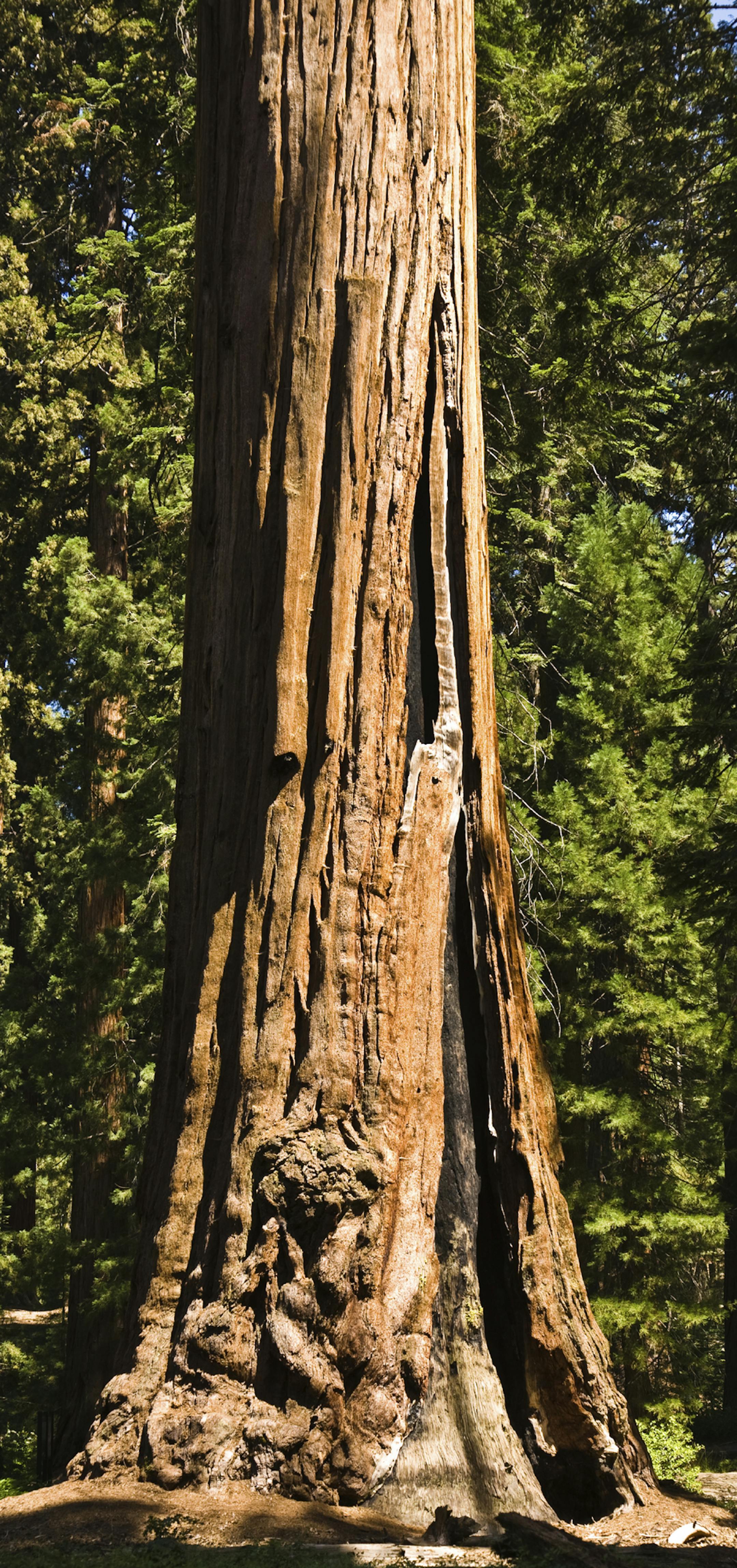
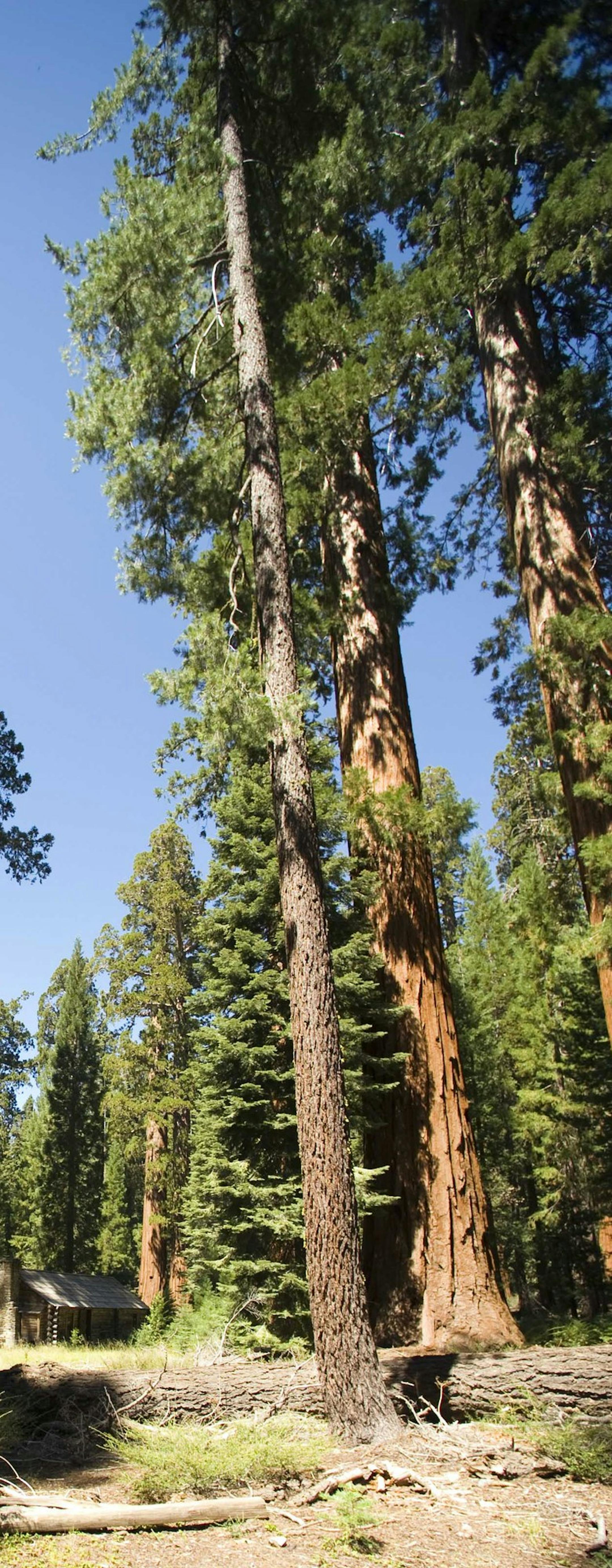
The trees are the giant sequoias, some 2,000 to 3,000 years old, and they are among several ancient Western species, including redwoods and bristlecone pines, that face an uncertain future.
Although the sequoias are not at immediate risk, even from California's current drought, scientists say they were not built to withstand decades of dry, warming weather. Their seedlings and saplings are susceptible to fires, which are likely to increase, especially at high elevations. And if drought persists, the lack of melting snow may keep seedlings from developing a robust root system.
"If there's long-term drought, within 25 years, we could see seedlings in trouble," said Nathan Stephenson, an ecologist with the U.S. Geological Survey. "In 50 years, the whole population could be in trouble," and within a century "most of the big trees could be gone."
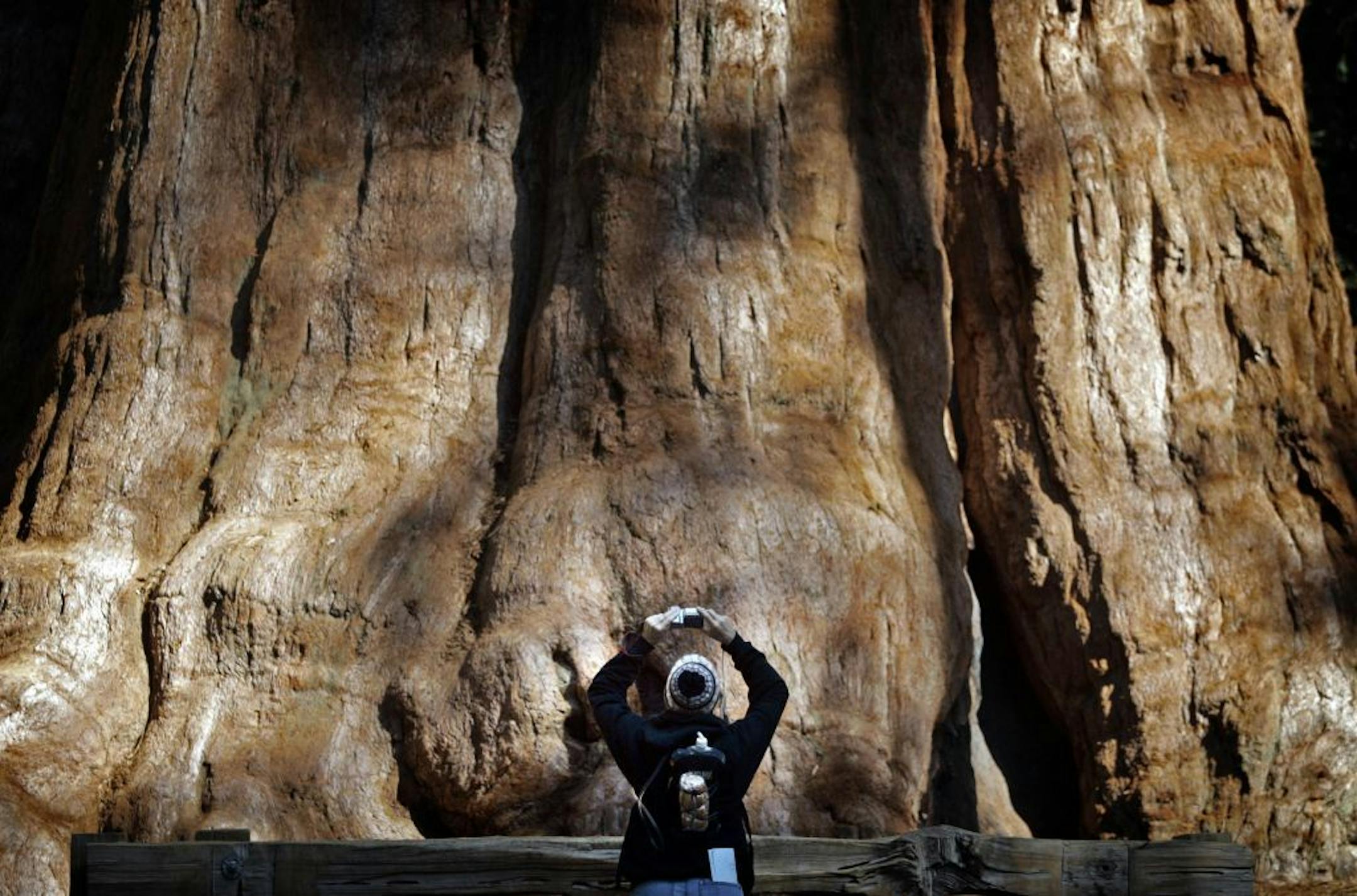
Sequoias live in only one place on Earth: California's Sierra Nevada Mountains. About 70 groves dot a narrow 70-mile band on the west side of the range at 5,000 to 8,000 feet. They include one tree called the General Sherman, the world's largest by volume. Preservation efforts are hampered by the fact that so little is known about big trees, from their root systems to how they die.
As climate changes, so do conditions in which big trees grow. The coastal redwoods of California, for example, are fog drinkers, taking in as much as 40 percent of their water through their needles. In the past half-century, the number of days in which the trees are shrouded by fog has dropped 30 percent.
In some places, that appears, paradoxically, to be contributing to increased growth: With less fog cover there is more light, said Todd E. Dawson, a biologist at the University of California, Berkeley. But on the redwood range's southern and eastern edges, which are warmer and drier, "the crowns are beginning to thin out, and they are dropping needles," Dawson said.