African swine fever in China is taking a toll on Hormel Foods Corp., digging into its latest profit and forcing the company to raise prices on most of its pork-related products.
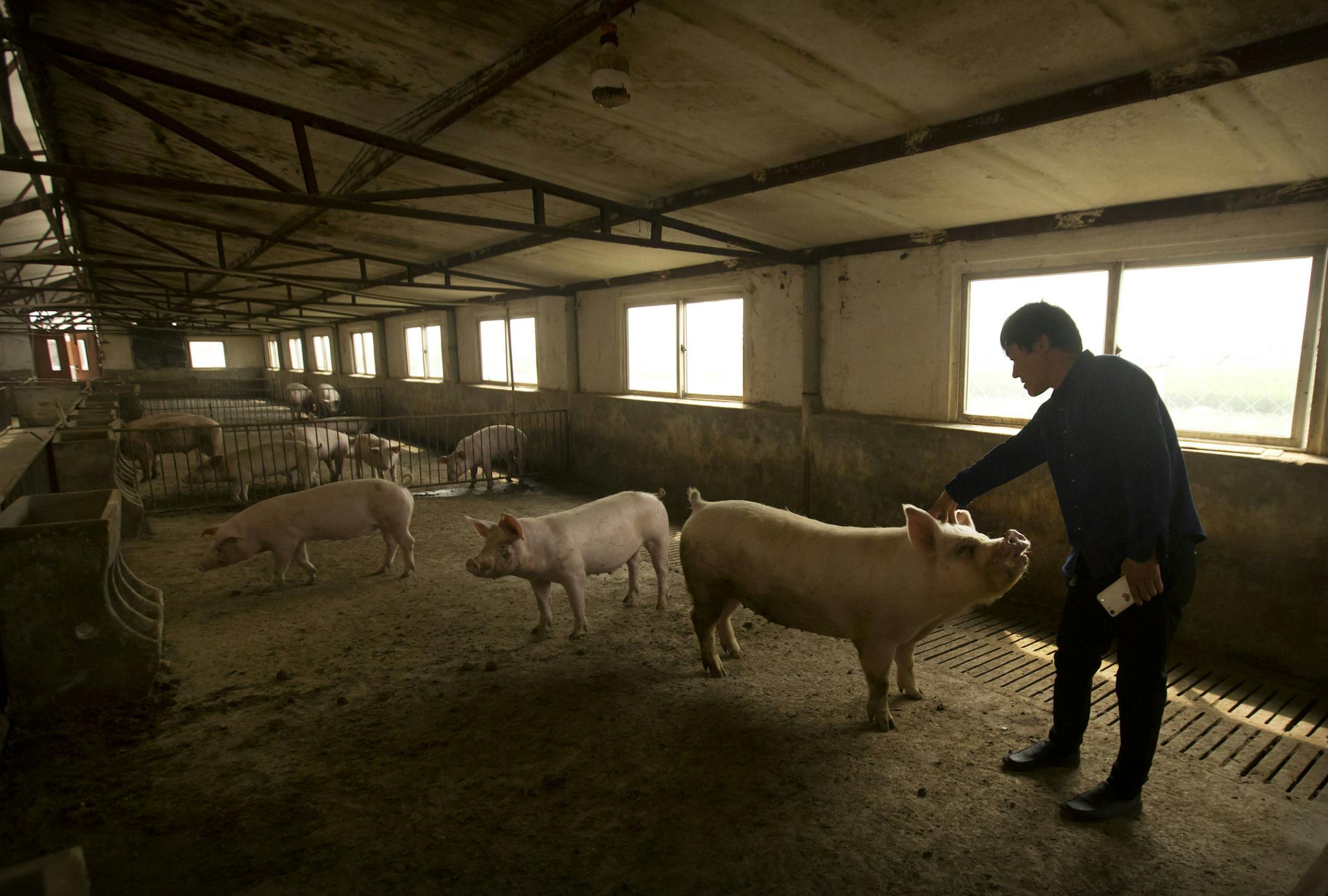
The disease has devastated China's hog population, killing 150 million to 200 million hogs, more than U.S. farmers produce in a year. As the world's largest producer and consumer of pork, China's situation led to extreme volatility in global pork pricing that hurt Hormel.
"The biggest unknown in the protein industry is related to the outbreak of the African swine fever in China," Jim Snee, Hormel's chief executive, told investors Thursday.
The Austin, Minn.-based company lowered its financial outlook for the rest of its fiscal year. Consumers will see higher prices for pork products in coming months, Hormel executives said.
"We are preparing for a multiyear event," Snee said. "But in the short term, it's really interesting how the information and dynamics are changing so rapidly."
The situation developed as Hormel is walking away from its position as a meatpacker toward a more consumer-branded food company. As a result, the company is more dependent on raw pork belly and trim costs that it buys from others.
While some U.S. pork companies stand to benefit by filling the supply void through increased U.S. exports, Hormel has structured its international business to be less reliant on exports. This softens the blow from challenging tariff dynamics, but it also means the company is more dependent on in-country production in China.
Hog prices in China increased by about 20% during Hormel's second fiscal quarter, which ended April 28. Snee said the U.S. will play a "vital role" in filling the gap in global pork supply created by the disease in China.