

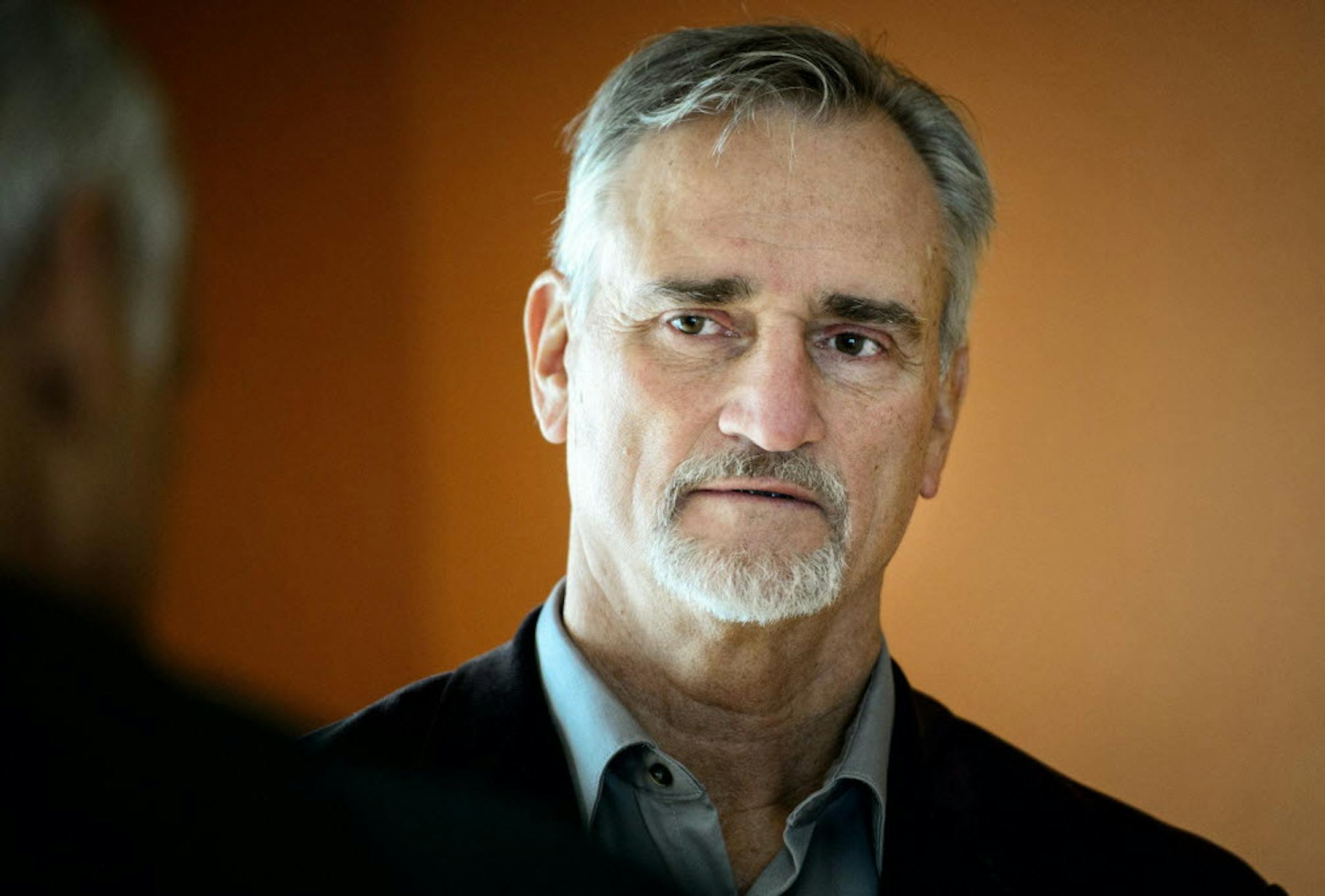
Most renters with criminal backgrounds do not pose a more significant threat of problems to landlords than the general population of affordable-housing renters, said a January Wilder Foundation study commissioned by four nonprofit developers and managers of affordable housing. Wilder studied 10,500 households in rental units operated by Aeon, Beacon Interfaith Housing Collaborative, CommonBond Communities and Project for Pride in Living between 2010 and 2017. Nearly 3 in 10 households contained at least one adult with a prior criminal conviction. The following is edited for clarity and length from interviews with CEO Alan Arthur, who has led Minneapolis-based Aeon, manager of 4,000-plus housing units for 8,500 low-income residents, since 1988.
Q: Why is the Wilder Foundation study important?
A: It is unacceptable that women and men with criminal histories are punished long after they've paid their formal dues to society. Society regularly denies them reasonable access to a job, to home and to community. It is even more deplorable that our system and culture, legal and societal, condemn a selected part of our community with far greater and more frequent punishments. Despite the relatively equal occurrence of crime across racial and socioeconomic status, people of color and lower-income people are more heavily targeted — and repeatedly struck — with this injustice.
Q: The study generally found that, except for fraud and serious drug and assault crimes, former offenders generally pose no greater risk to landlords than the general population of affordable-housing tenants. Can you explain?
A: Most people believe if you have a criminal history, your path to housing and a job is very difficult because you are a greater risk. This study provides significant evidence that in at least 11 out of 15 categories of crime there is virtually no difference in housing-success outcome. It also, most importantly, shows that, as time passes after the crime, it's less likely that housing success will be negatively impacted.
Q: You mentioned that Aeon is in business to provide decent, affordable housing to those who otherwise wouldn't have a place to live. You started there in the 1980s after a lot of low-cost rental housing was demolished in the southern fringe of downtown to build the Minneapolis Convention Center.
A: Aeon is not just about putting a roof over people's heads. Aeon's vision — the reason we exist — is that every person has a home and is interconnected within community. It is Aeon's job to appropriately balance opportunity for an individual, with making possible a peaceful, safe home for the other 99 or 199 individuals and families who themselves deserve peace, safety and opportunity.
Q: What is the demand for Aeon housing and services and what would you like to do if more financing was available from business, individual, foundation, government and other stakeholders?



