

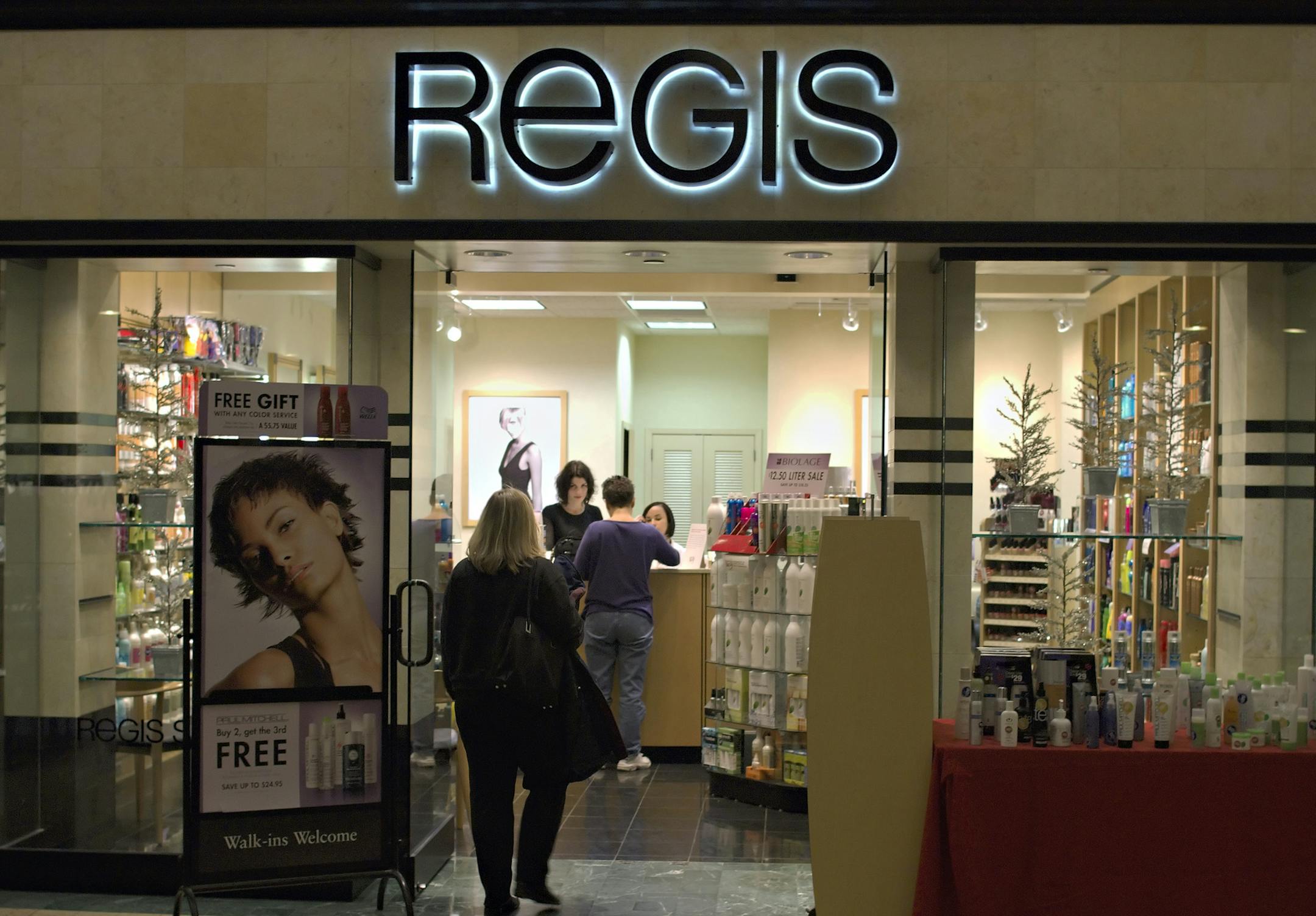
Four years ago this week, one of the most high-profile activist shareholder campaigns against a local company wrapped up at Regis Corp., and it wasn't even close. Three nominees of the activist shareholder, the prominent hedge fund Starboard Value LP, were swept onto the board.
Maybe they then contributed a lot to the board, but this campaign wasn't about that; it was about boosting shareholder returns. With Regis shares last week trading at around $12.60 per share, they were off more than 20 percent from the closing price the day before the results of the October 2011 shareholder vote were announced.
Starboard Value, the hedge fund behind the campaign, is long gone as a principal investor in Regis.
That kind of inconclusive outcome after "winning" a hard-fought activist campaign seems to make the whole exercise kind of pointless, but it's far from rare, and one good reason to greet news of any new campaign with skepticism.
These efforts by investors to get companies to change are now so common that last year public campaigns targeted more than 250 American companies, according to a review by Activist Insight. The effect they have over the long term has also increasingly been studied, including when the Wall Street Journal recently looked closely at the outcome of 71 campaigns.
Activists can, in fact, spark changes that lead to improved shareholder returns, the Journal found. But nearly as often, all an activist really accomplishes is making sure a lot of energy gets turned into nothing more than smoke and noise.
In recent conversations with investors who push companies for changes, it appears that many even dislike the term activist. They insist that all they're really doing is making sure a public company is run for the benefit of its owners.
They look for opportunities in any industry, but it's common for retailing companies like Regis, an operator of hair salons, to attract them. One thing that makes retailers and restaurant operators popular targets is that they usually control a lot of real estate. Maybe some of that real estate would be worth a lot more to somebody else, freeing up capital.


