

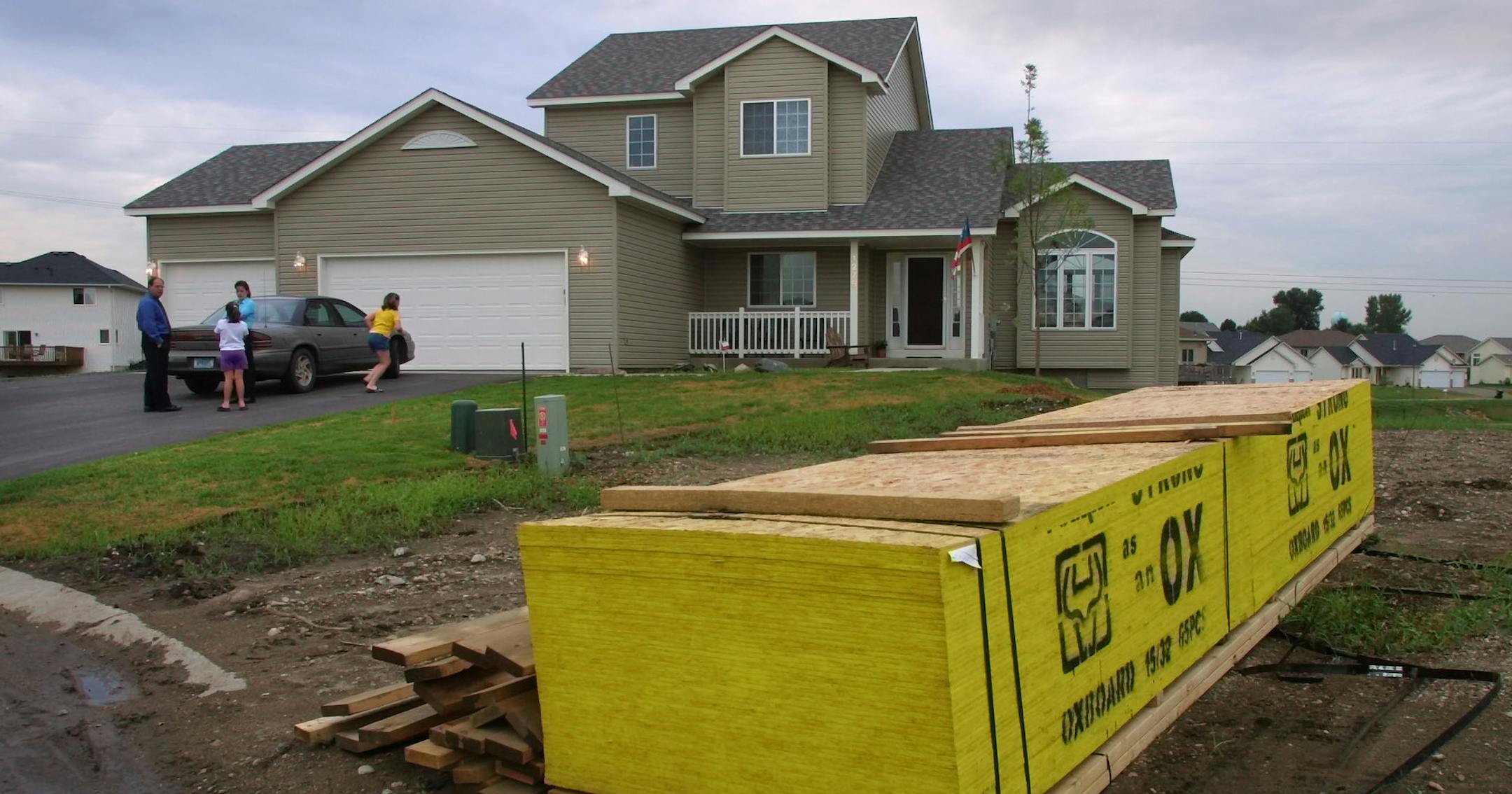
It's hard to question the credibility of Montevideo, Minn., Mayor Debra Lee Fader when she talks about the connection between housing and the vitality of communities. The civic leader and business person's knowledge of the issue is firsthand. She hasn't been able to find a home she and her husband can afford since they sold the Sportsmen Inn, the motel they operated.
Now, Fader is seeking to drop her re-election bid. She told a reporter that "she didn't feel right about campaigning for mayor when she couldn't be certain she would be able to find a place to call home."
Her challenge isn't unique to her or to Montevideo. Communities around the state are facing similar circumstances. Austin City Administrator Craig Clark recently told the Austin Daily Herald that continued economic growth and prosperity in his southern Minnesota community depends on a robust housing market.
"We just don't have enough [housing] and therein lies the problem to being able to grow the community," said Clark.
Minnesota has built a reputation of livability and opportunity. The availability of affordable homes has been a key competitive edge in attracting families and businesses to the state. Now, the cost of renting or buying a home is rising faster than the incomes of many Minnesotans, and that's making it hard for employers to attract the new workers their businesses — and the communities they serve — need to grow.
According to the real estate site Zillow, Minnesota home values have increased nearly 7 percent in the past year. Zillow estimates they will rise almost 9 percent within the next year. Homes in Minnesota are 26 percent more expensive on average than in neighboring states. Meanwhile, the real median household income in Minnesota peaked in 2000 at more than $75,600. By 2016, it was $70,200 or 7 percent less.
In part, housing availability and affordability has become a challenge of supply and demand. The Twin Cities area has added nearly 226,000 residents since 2010, an increase of about 8 percent. Housing production hasn't kept pace with population growth.
In fact, the Twin Cities now has a housing production shortfall that is behind only San Francisco and Atlanta, according to the Metropolitan Council. Rental vacancy rates have stubbornly stayed under 5 percent in recent years, forcing rents in the Twin Cities to grow three times faster since 2010 than if they had simply matched the rate of inflation.


