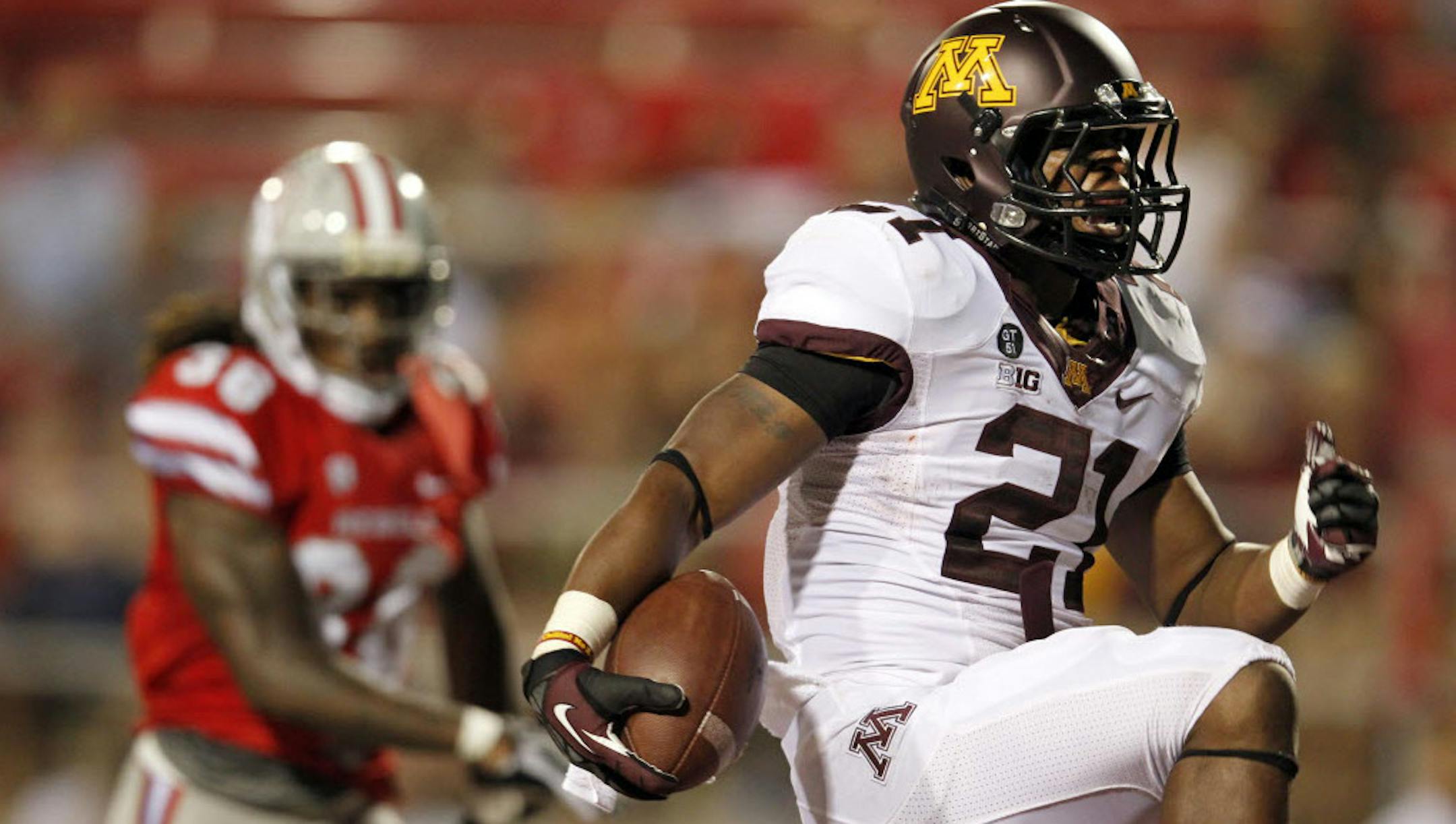
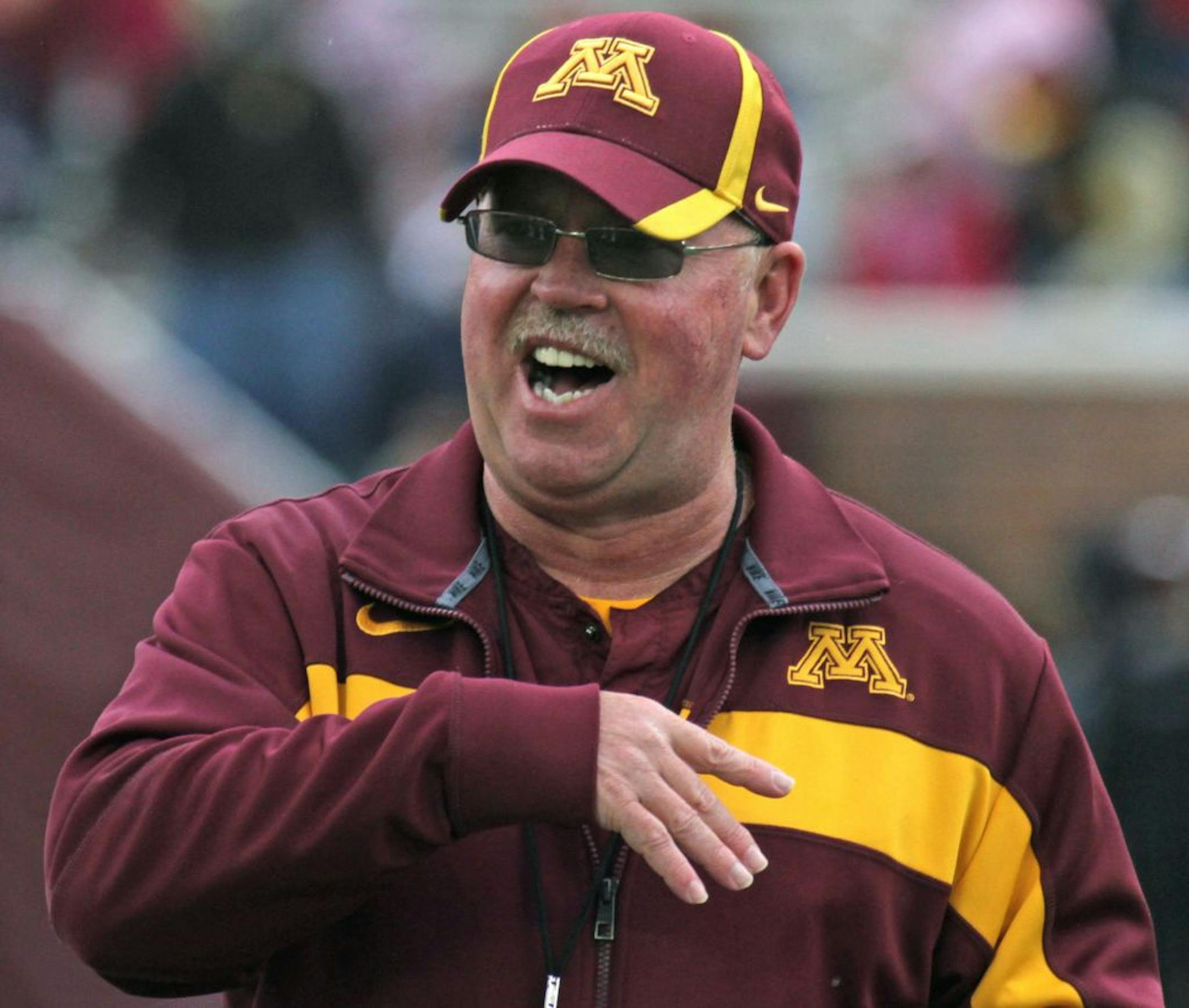
When the Gophers defense, his defense, finally came together last November, finally played with the speed and intensity and especially the physicality that he had been looking for all season, when it embarrassed Illinois so badly that the bowl-bound Illini couldn't even cross midfield until they trailed by 27 points, well, Tracy Claeys' reacted in a surprising way to his moment of triumph.
Good, the Gophers defensive coordinator recalls thinking. Glad it's over.
Wait, that's it? Didn't he wish the season could last another few games, that he could savor the accomplishment of that 27-7 victory and try to inflict that same swarming fury on another victim or two?
"Aw, hell no. I wanted to get back to work," Claeys said of that 3-9 season. "You're happy for the kids, especially the seniors. But we saw how much work we had left to do, recruiting, teaching, [working in the] weight room, and you just want to get going. Now you know what we need to do to make Year Two better."
And Year 2 always is better in Jerry Kill's world.
The Gophers begin their second season with Kill and his coaching staff in charge tonight in Las Vegas, and in many ways, it's a typical opener for this program. There is a certain amount of optimism around the Twin Cities, a you-never-know feeling that maybe the Gophers' luck has changed. And there's the usual number of reasons to doubt, the skeptics who say there's not enough talent, not enough experience, not enough luck in the world to make Minnesota a member of the Big Ten's middle class, much less the elite.
But it's Year 2, too, and the Gophers are banking on a trend: In Kill's four previous head-coaching stops, his teams always have shown evident, even substantial, progress once he learns his way around. And it's not, his staff says, a coincidence.
"The thing about Year 2 is, we've always been very realistic about what we'll be able to use as our strengths and what needs to change, even about ourselves and how we coach," offensive coordinator Matt Limegrover said. "You don't come in and say, this is how we do it, period. We say, what works well here? What can we build upon, not just for one year but for the program?"