

What troubles me most about the climate-change debate isn't the deniers so much as that those who accept that global warming and all the other challenges facing our planet are real, and mostly our fault, seem to want no part in fixing them.
They take "the long view of history." Science got us into this. Science will get us out. Pass the chips. They call themselves optimists, but it seems to me the opposite is true. Pessimists are the doomsayers. Optimistic people roll up their sleeves and get to work.
Harvard psychologist Steven Pinker calls himself apolitical. His latest book has been warmly received by the do-nothing crowd. In "The Better Angels of Our Nature: Why Violence Has Declined," Pinker argues that humans are, if not basically good, then at least better behaved than they used to be. Rape and pillage, torture, war, murder and mayhem — all are in retreat.
Farming played a civilizing role early on. Then came commerce, followed by "cosmopolitanism," meaning people got less parochial. In the 18th century, humans discovered empathy and governments imposed Enlightenment values by force. Whether these values have by now become part of the human DNA is doubtful, but … not to worry. Things are looking up.
The new optimists take comfort in such arguments, and in starry-eyed books like "Abundance" that cheerfully predict accelerating economic and social progress. They celebrate milestones in agriculture such as the first 300-bushel acre of genetically modified corn and have no qualms when corporations declare themselves ready, willing and able to feed the world even as population soars to 9 billion (2030 is the target date).
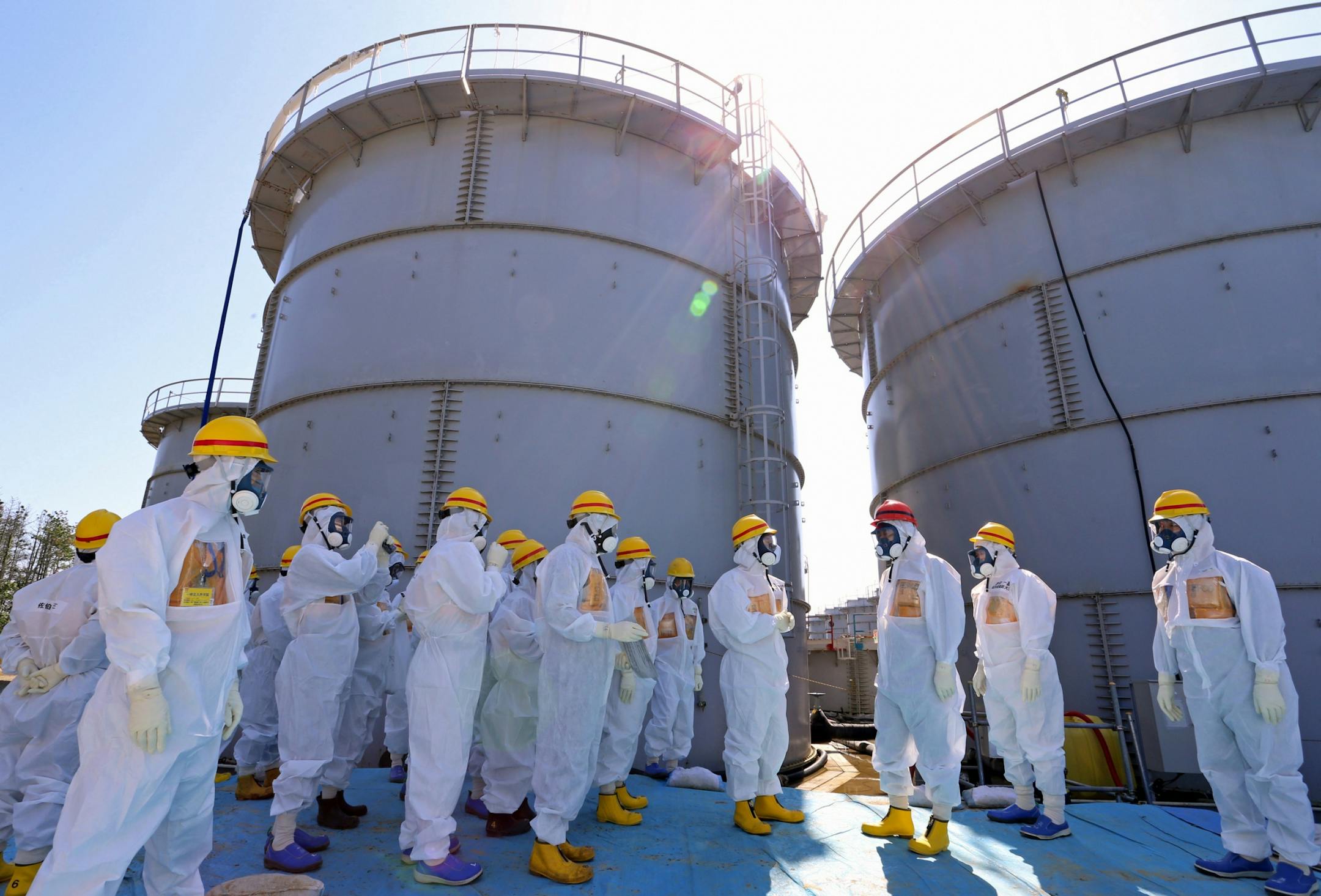
The scientific community is similarly divided between the activist types who can't help connecting the dots that spell doom for our planet unless we deal immediately and decisively with what's causing bee colonies to collapse and dead zones to expand and glaciers to melt and all those spent fuel rods at the Fukushima nuclear plant to pose the greatest peril to life on Earth ever — and the majority, who want to leave politics to the politicians and are fully convinced that our environmental problems are not only fixable but that the fixes will be breathtaking, even grandiose, because that's how we roll.
Millennial author Annalee Newitz was recently interviewed in the New York Times about her "upbeat new apocalyptic book summarizing strategies that will allow the human species to persist if faced with the kind of epic disruptions to Earth's environment that have periodically erased the majority of living things."
The strategies themselves are summarized in the book's title: "Scatter, Adapt, and Remember." I get the first two, but the third raises the question — why bother remembering if we are incapable of learning from our mistakes?


