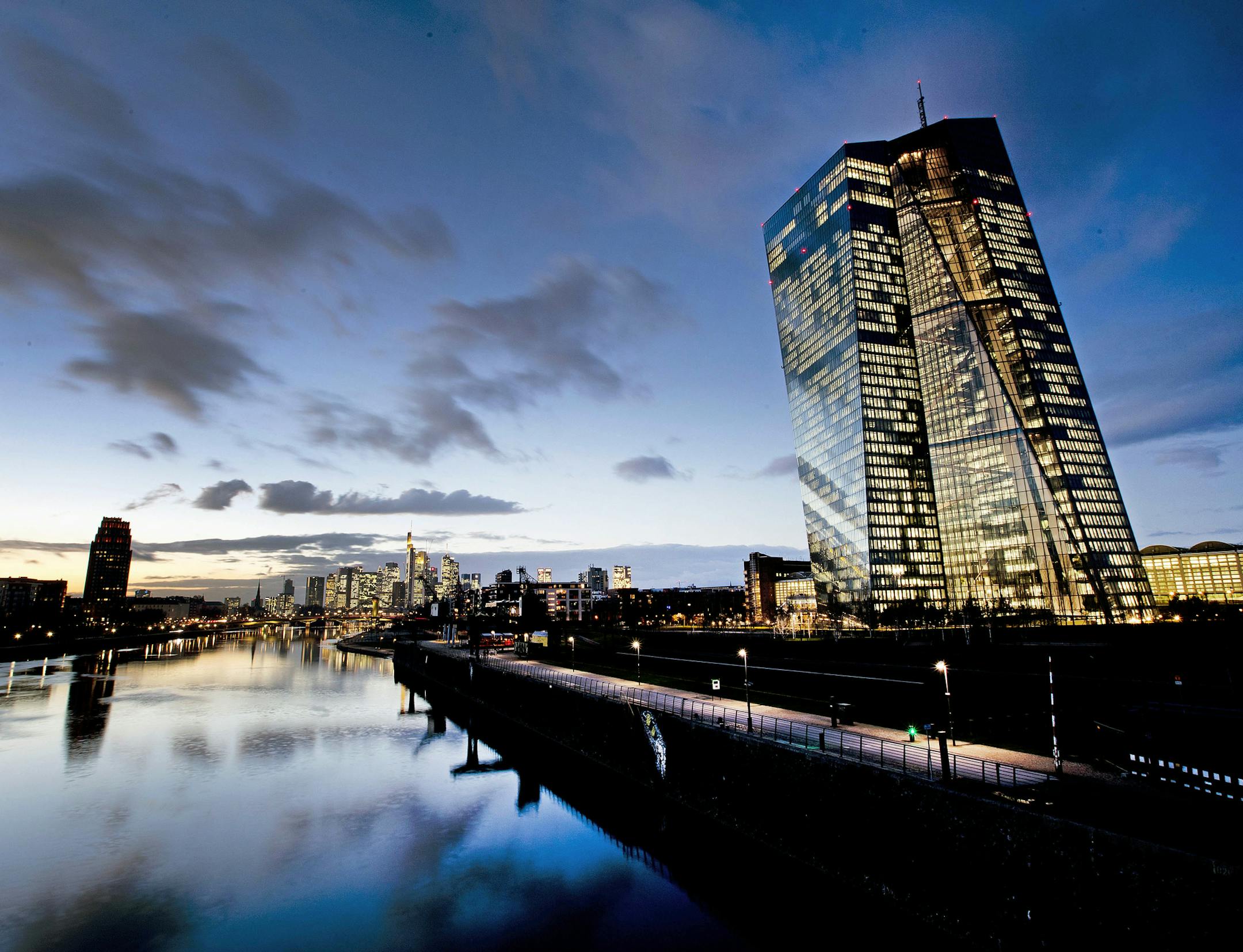
The headquarters of the European Central Bank towers over the river Main in Frankfurt, Germany. The institution has been equally imposing in the life of Europe's monetary union.
As its only policymaker, it rescued the euro from financial and sovereign-debt crises, and powered a recovery in 2015 to 2017.
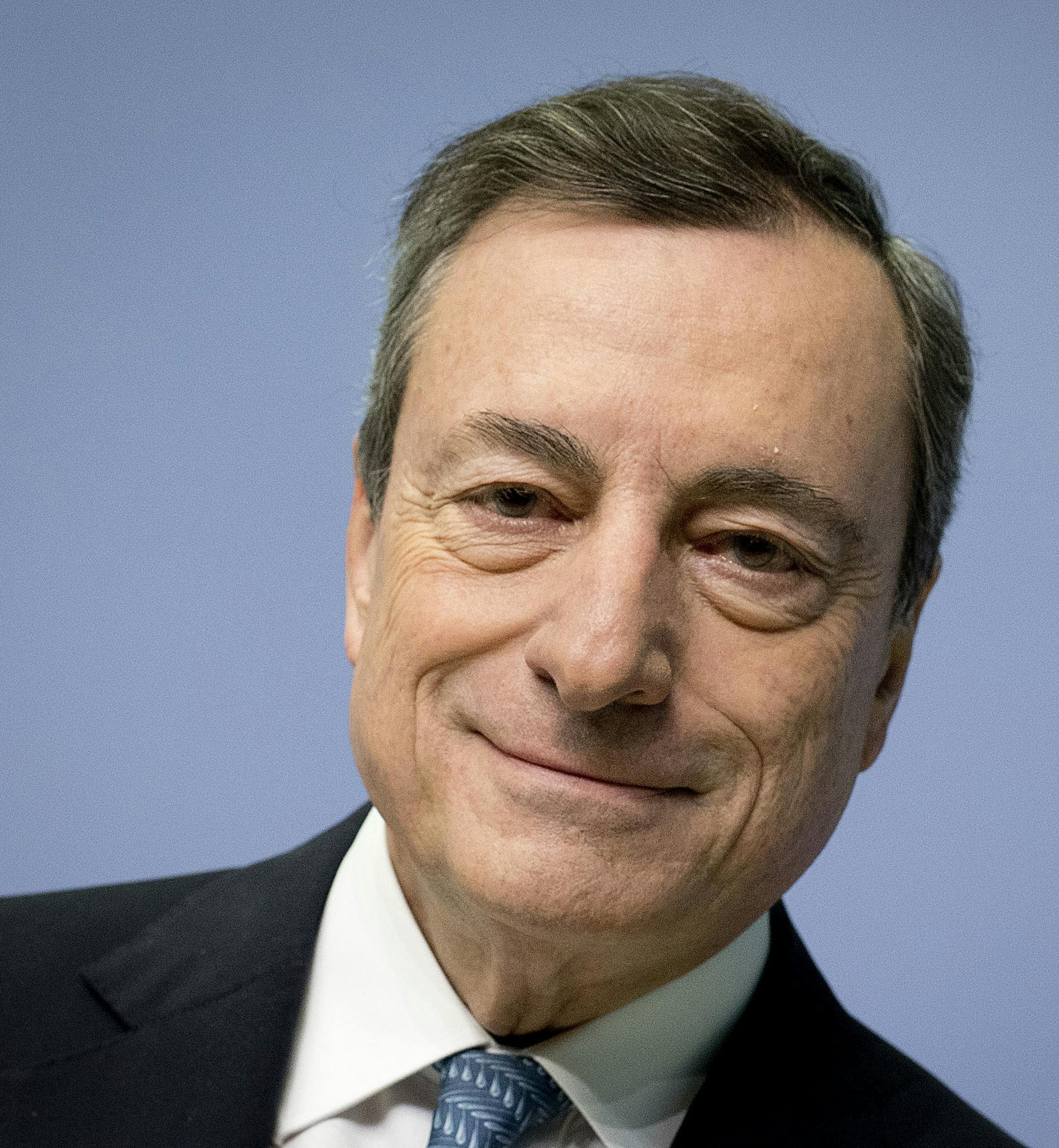
But it cannot rest on its laurels. This year promises to be one of high drama. Three of its six-strong executive board will depart, notably its president, Mario Draghi, and its chief economist, Peter Praet.
By the end of the year, eight of the 19 national central-bank governors on its rate-setting body will have stepped down.
The end of Draghi's eight-year tenure coincides with European elections and the top jobs in Brussels coming up for grabs. That makes the choice to replace him unusually political. Should their quest for the commission or council presidencies fail, the French or Germans could seek to put a compatriot — or in the Germans' case another hawkish northerner — into the ECB job as a consolation prize.
All this could alter the course of monetary policy. Poor choices could mean blunders in dealing with a slowing economy or too-low inflation. The bank's hard-won credibility as the guardian of the euro could come under threat.
The ECB was set up in 1998, a central bank without a fiscal counterpart. To soothe German fears that it would go too easy on inflation, it was based in Frankfurt and modeled on the Bundesbank. Its intellectual direction came from its chief economist, Otmar Issing, a former Bundesbank rate-setter. Like other central banks, it targeted inflation. But to appease the Germans, it also concerned itself with the rate of money-supply growth.
Two decades on, the Bundesbank's influence has waned. The ECB focuses less on the money supply, after its link with inflation proved wildly unstable. Philip Lane, a dovish Irishman, takes over as chief economist in June. Neither the economic nor monetary-policy areas is overseen by a German staff member.