

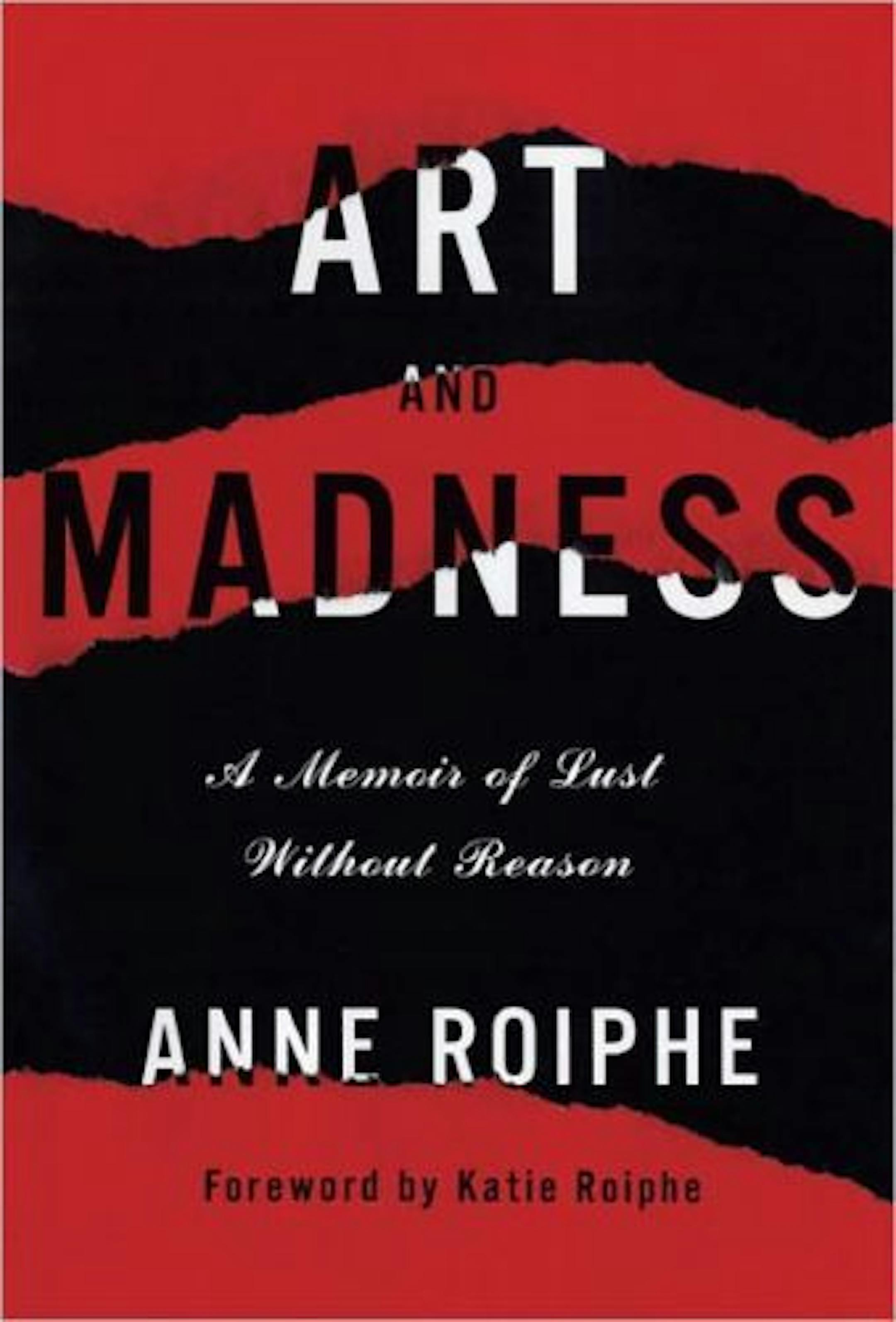
Anne Roiphe always knew she wanted to be a writer. So she married one.
Does that make any sense?
Not in this day and age. For intelligent, young Anne Roiphe, however, coming of age in the 1950s and '60s forced her to face a conundrum: either conform to the stereotypical road of a young woman her age and class -- go to college, meet a nice boy, settle down, be his helpmate -- or, less simply, follow in the footsteps of her idols. She chose the path of least resistance. (After all, things didn't end so rosy for Roiphe's early role models, Virginia Woolf, Anne Sexton and Sylvia Plath.)
Even readers who call this a cop-out will be fascinated by this memoir of a woman who matures quickly and finally finds a voice. Her own voice.
And oh, what a voice!
"Art and Madness: A Memoir of Lust Without Reason" (Nan A. Talese, 240 pages, $24.95) is arranged between two time frames, her 1950s college years at Smith and her disastrous 1960s marriage to the deeply troubled playwright, Jack Richardson. While this back-and-forth organizational choice might have been distracting in lesser hands, Roiphe's seamless transitions between the two periods in her life play a useful role in explaining her development as a writer.
The younger Roiphe shows glimmerings of her adult good judgment when she realizes her blue-stocking teacher who wore "mannish suits and men's shoes" was to be adored despite her sartorial shortcomings. "I loved her with that fierce love of a girl for a woman who knows what the words on the page really mean."
Later, though, Roiphe is still seeking an interlocutor when she marries Jack.


