
A small but growing number of restaurants are cashless

Efficiency, cost savings called two key reasons for trend — and customers don't seem to mind.

The Associated Press
April 22, 2018 at 10:33PM
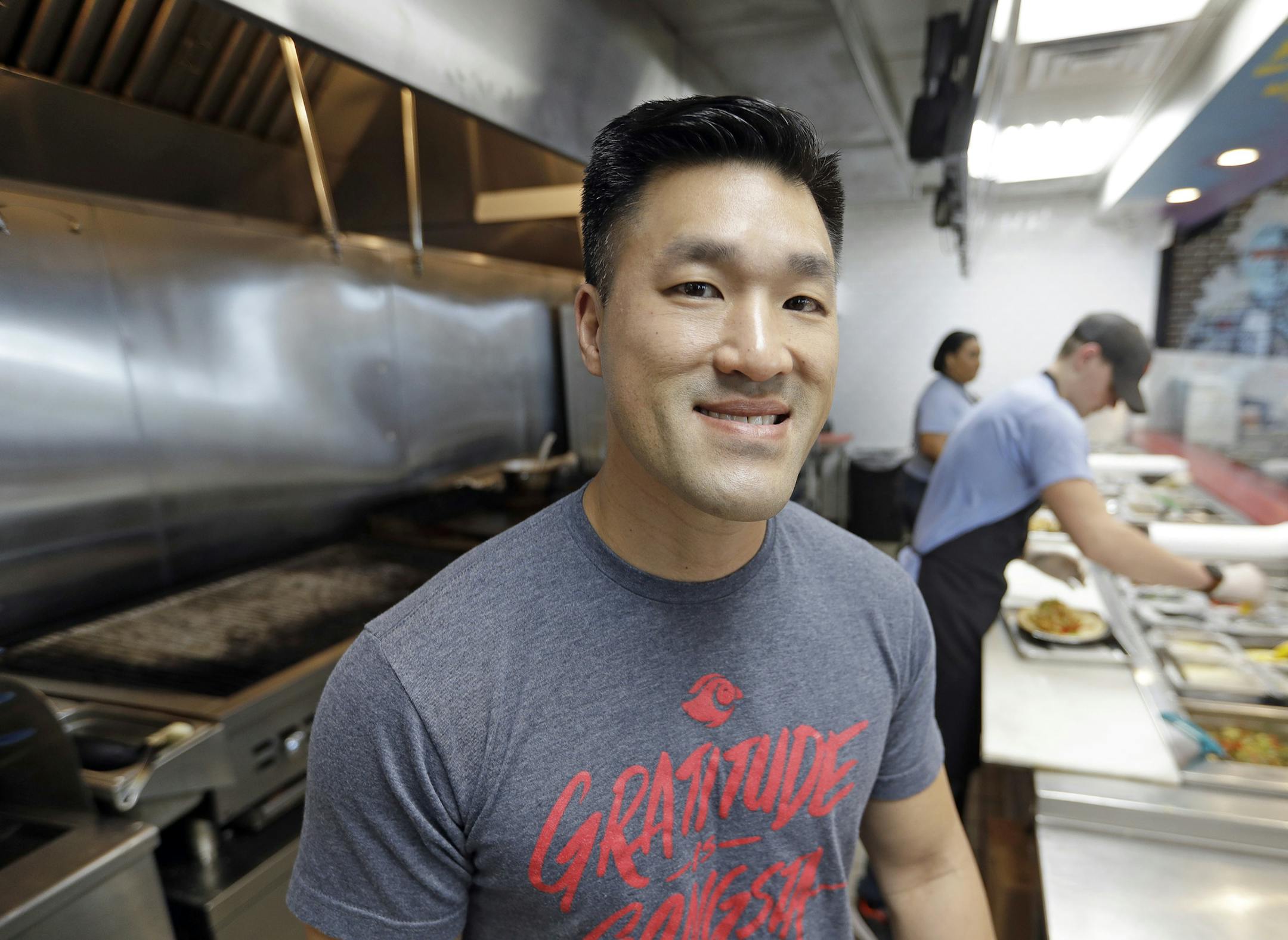
In this Tuesday, April 10, 2018, photo, Thomas Nguyen poses inside his Peli Peli Kitchen restaurant in Houston. Owner Thomas Nguyen had a change of heart after transitioning one of his three Peli Peli South African fine dining restaurants and his Peli Peli Kitchen fast casual location to a no-cash policy. (AP Photo/David J. Phillip) ORG XMIT: TXDP101
With less than 7 percent of his revenue was coming from cash, Thomas Nguyen switched two of his three Peli Peli restaurants in Houston to cashless operations, but changed his mind over concerns about competitors. Other restaurants, though, are cashless for good. (The Minnesota Star Tribune)

NEW YORK – The lunchtime lines at Dos Toros move faster these days — customers don't fumble for bills or coins, and employees don't make change. Since around New Year's, the Mexican food chain has been cashless.

"For the vast majority of customers, there's no reaction at all; they are already paying with their cards. And the significant majority of cash customers don't have any problem with it either," said co-owner Leo Kremer, who has 14 stores in New York and one in Chicago.

If people do try to use cash, employees explain the reasons for the change — faster service for customers, saving the business time and money.

The trend toward cashless small and midsize businesses is fairly new. Many of the companies adopting the policy are restaurants with menus and prices more upscale than fast-food chains, but service that aims to be almost as quick as a McDonald's or Subway. During a busy lunch hour with customers lined up at ordering stations and cashiers, forgoing cash means faster transactions.

Many business owners would rather be cashless. Cash actually costs money — banks charge fees for cash deposits and to handle coins. If businesses take in enough cash to justify pickups by armored car services, that's another cost, and given that restaurants can be a target for holdups, not one that can be eliminated.

And counting and checking cash and preparing it for deposit takes up time a manager could spend with staff or customers.

"We feel a manager's time is so valuable, and it was being spent on what is only 10 percent of our revenue," said Kremer, who also said revenue at Dos Toros hasn't been hurt by the transition.

Millions of consumers use little or no cash. In a survey released last month by the financial services company Capital One, only 21 percent of 2,000 people questioned said cash was their most common way to pay for things.
But going cashless isn't a slam-dunk. Some customers who want to use cash point to a statement on paper money: "This note is legal tender for all debts public and private." However, the Federal Reserve notes on its website that private companies can make their own policies about cash unless there is a state law saying otherwise. Massachusetts does have such a law.

Thomas Nguyen switched two of his restaurants to no-cash — and then had a change of heart.

Nguyen, who has three Peli Peli South African fine dining restaurants and a Peli Peli Kitchen fast-casual location in the Houston area, transitioned one restaurant at the end of 2016 and the other last August. Less than 7 percent of his revenue was coming from cash, and he believed customers would largely be OK with the change.

But last month, Nguyen heard from staff at both locations that they were getting daily complaints. That, he said, goes against the idea of running a hospitality business.

"It's too common of an occurrence when somebody every day is getting surprised or inconvenienced," Nguyen says.

He's well aware that customers can find plenty of other places to go. "You can't compete if you think you're going to create a whole set of rules and expect people to follow them," he says.

One concern about cashless restaurants is that they exclude would-be customers who don't have bank accounts or credit cards. The Federal Deposit Insurance Corp. found in a 2015 survey that about 9 million households didn't have bank accounts.

Nearly 60 percent of households without bank accounts or cards said they didn't have enough money to keep in an account.

Customers will be more understanding if store employees explain the rationale for going cashless, and how it might benefit them, said Utpal Dholakia, a marketing professor at Rice University's Jones Graduate School of Business.

"I think customers are very happy to trade off their ability to use cash to get this service in return," he said, and notes the popularity of apps that let people order and pay for food online or on their phones and bypass the line completely to pick it up.

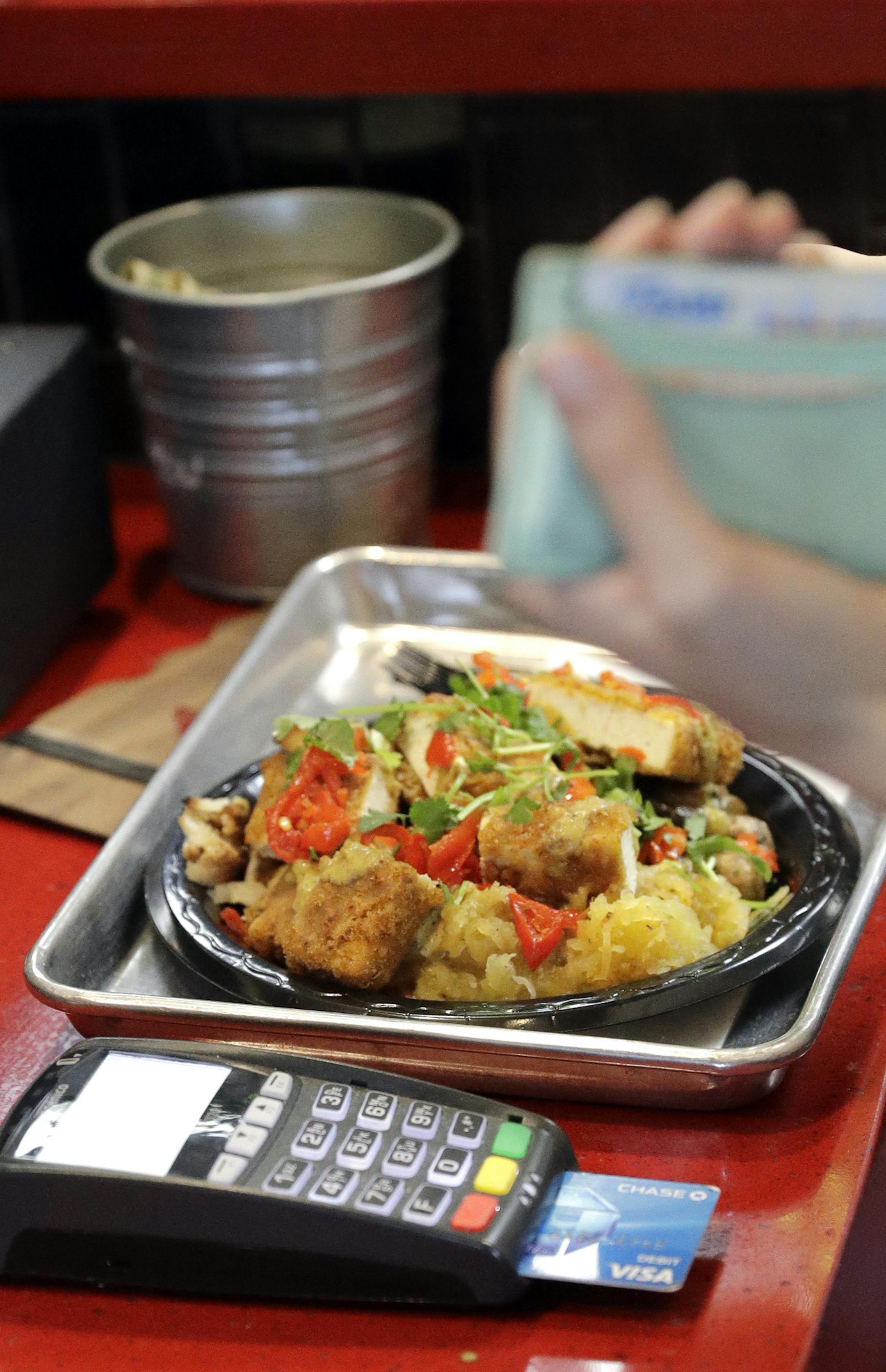
In this Tuesday, April 10, 2018, photo, a customers uses a credit card machine to pay for food at Peli Peli Kitchen in Houston. Owner Thomas Nguyen had a change of heart after transitioning one of his three Peli Peli South African fine dining restaurants and his Peli Peli Kitchen fast casual location to a no-cash policy. (AP Photo/David J. Phillip) ORG XMIT: TXDP104
In this Tuesday, April 10, 2018, photo, a customers uses a credit card machine to pay for food at Peli Peli Kitchen in Houston. Owner Thomas Nguyen had a change of heart after transitioning one of his three Peli Peli South African fine dining restaurants and his Peli Peli Kitchen fast casual location to a no-cash policy. (The Minnesota Star Tribune)
about the writer

about the writer

Joyce M. Rosenberg

More from Business

See More
card image
Aaron Lavinsky/The Minnesota Star Tribune

As the end of the year nears, look back at the volatile times and the financial choices you made during them.

card image