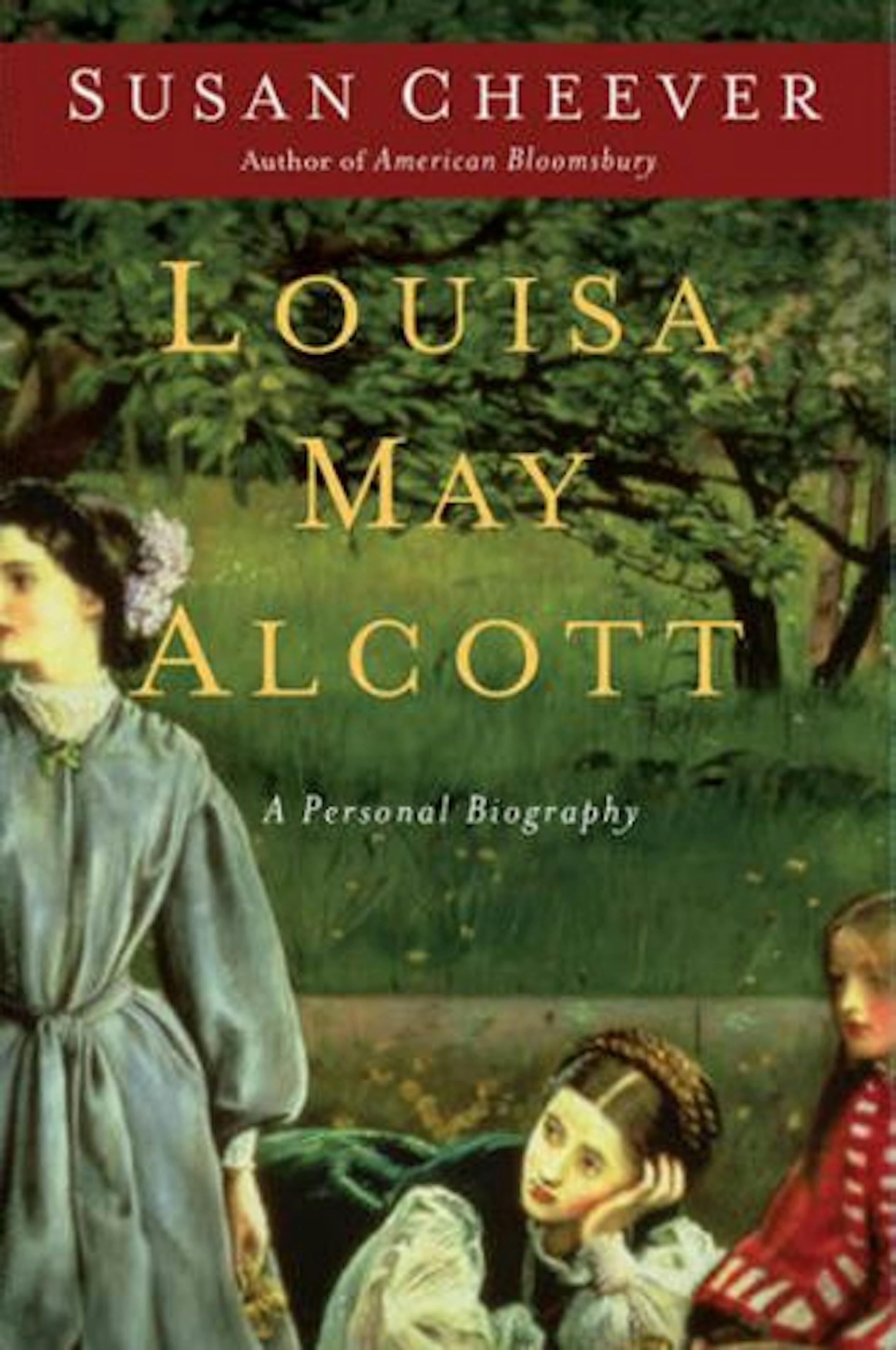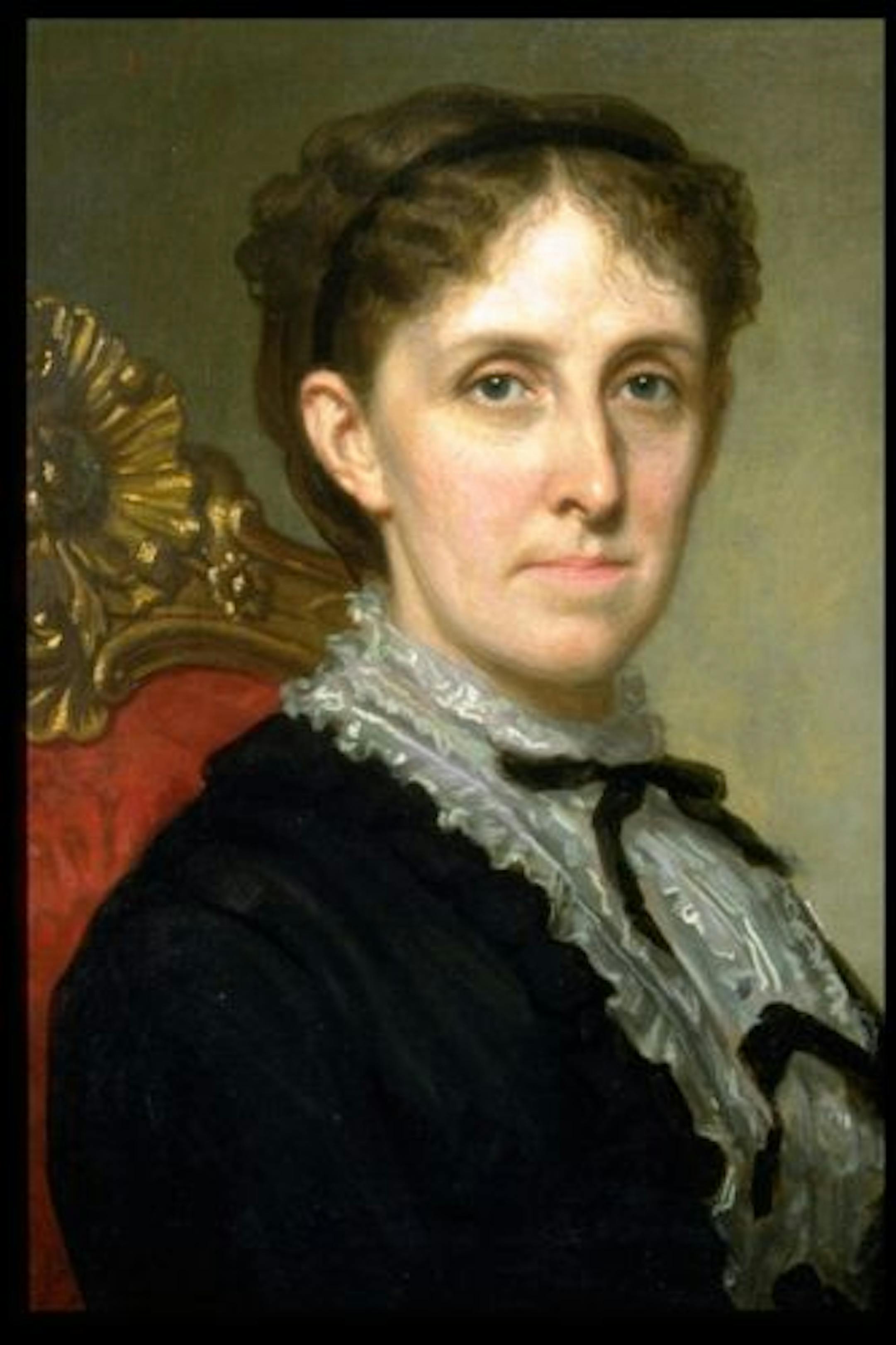
Susan Cheever has written an engaging biography of Louisa May Alcott. This book is deeply personal, beginning with a preface that details Cheever's own fascination with the author of "Little Women," a work that has inspired generations of women, including budding writers like Susan Sontag and Cheever herself. The book's main character, Jo March, is one of the few writer/heroines depicted before the age of feminist fiction.
Louisa May Alcott thrived under a demanding father who believed in progressive education. She did well, too, under the guidance of Henry David Thoreau and Ralph Waldo Emerson when, in 1840, her impecunious father accepted Emerson's offer of a rent-free cottage in Concord, Mass., then the center of the American literary universe.
There is nothing new in Cheever's biography -- after all, Alcott is a much-studied author and biographical subject -- but the narrative is reprised with passion and insight, and with the experience of a writer who grew up as the daughter of a famous American writer, John Cheever. If you know the daughter's work, then you'll know the following sentence describing daughter and father applies equally to both biographer and subject: "All through her life, Louisa's father was prodding and bullying, commanding and occasionally rescuing, letting Louisa know what was wrong with her and telling her what to do."
Yet this same affinity for Alcott and for the writer's life leads Cheever to distrust her own biographical impulses. She notes her father always denied the autobiographical implications of his work, preferring to call it "a self-contained dream." It is as if her father is standing over her when she adds, "Have we gone too far in trying to bring great works of the imagination down to the detective work we have done on the lives of great writers? Are we robbing ourselves of the knockout experience of reading a great work of literature as if it were a given and not the creation of just another struggling human being?"
Such angst, however, presents a false dilemma. Would Shakespeare's plays, for example, really be lessened if a cache of his letters were suddenly discovered? Doesn't biography, in fact, enforce the greatness of literature rather than diminish it?
Cheever raises questions about biography as if to safeguard herself from attack, but then makes no attempt to answer them. Why? She mentions that Alcott never had a hard word to say about her father in spite of his harsh treatment of her. Isn't Cheever practicing the same silence in this book by not confronting her father, by not affirming the very book she has produced in spite of his objections?
Carl Rollyson is a biographer and journalism professor at Baruch College, City University of New York.