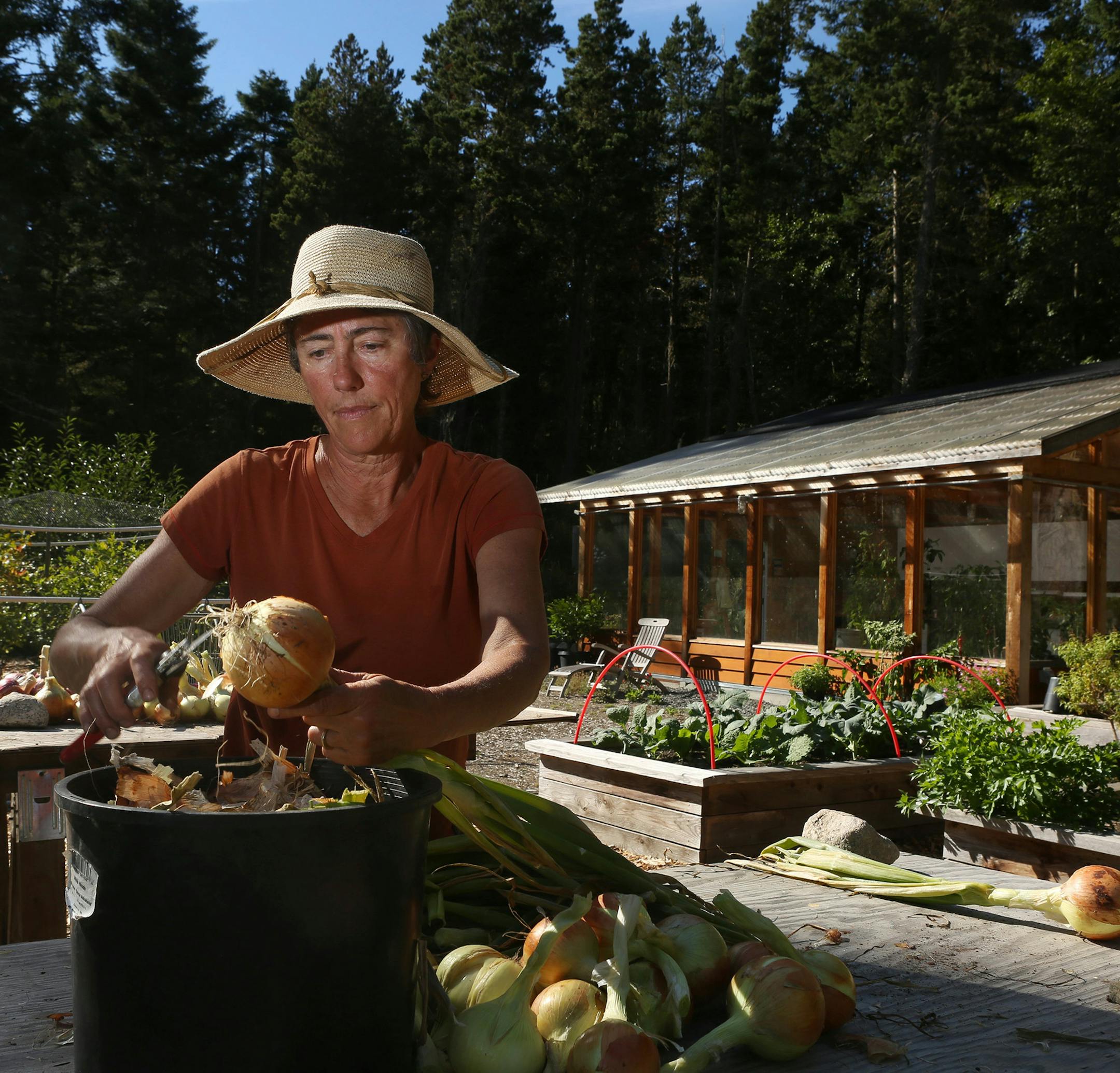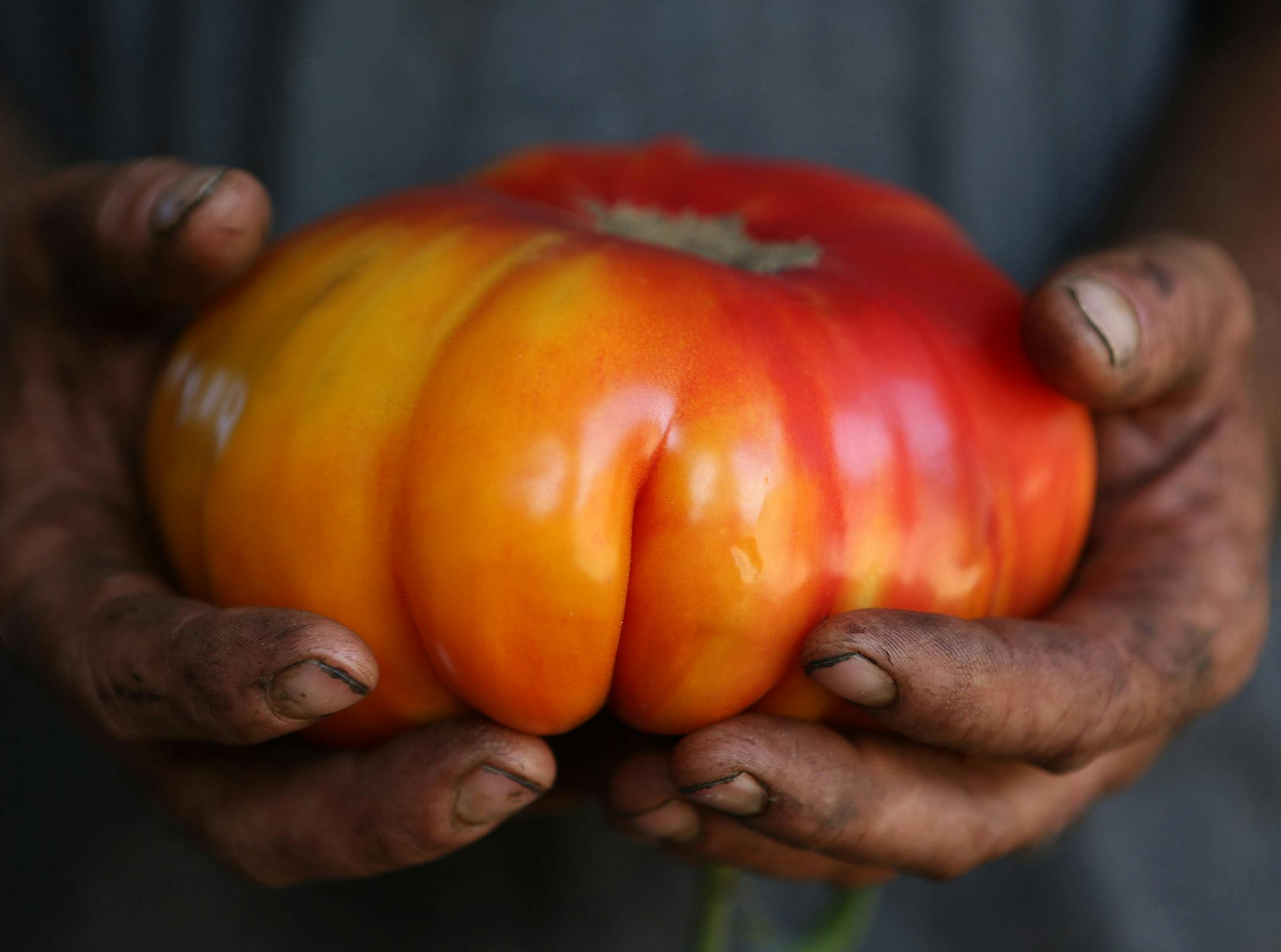
Maybe not since the Pig War has a San Juan Islands farmer caused such a rhubarb. Of course, that little 19th century border dispute didn't get a lot of press beyond the swirling kelp beds of Rosario Strait. The only casualty was when American farmer Lyman Cutler shot a British hog that had rooted in his garden.
In 2012, a farmer in the off-the-beaten-track archipelago fired another shot — purely a political one this time — in the form of a citizen initiative. Like the first skirmish, it raised few eyebrows. But it might help shape Northwest agriculture.
In the same election that brought same-sex marriage and legal marijuana to Washington state, little San Juan County, with its 12,019 registered voters, passed an initiative banning the growing of GMO crops on its islands.
But stopping cultivation of GMOs with a citizen initiative is a bit like sticking your finger in a dike that's been carpet bombed. Engineered crops already flood the planet.
Last year, farmers grew GMOs on 430 million acres worldwide — 40 percent in the United States. Because of regulations and development costs, most GMOs remain confined to large commercial crops such as soybeans, cotton, corn and canola. Smaller GMO crops include sugar beets, squash, papayas, tomatoes, peppers and even petunias.
Depending on who's talking, either GMOs will save the world from climate change and feed humanity — all 9.6 billion of us, as projected by 2050 — or they'll corrupt the natural order and bring the "Silent Spring" that much sooner.
From San Juan County the crop ban has spread to Oregon, where two counties passed bans in May. In the past year lawmakers in Connecticut, Maine and Vermont passed measures aimed at labeling GMO foods.
Labeling is the same issue that last fall in Washington state generated a record $21 million "no" campaign — bankrolled by such large companies as Monsanto and Coca-Cola — before 51 percent of voters rejected the idea (the same margin as in California a year earlier). The defeat was even narrower this month in Oregon, where the issue again attracted record spending.