No one is more aware of the value of a brand than Goldman Sachs.
The investment bank, founded in 1869, has advised the biggest and best American companies on the value of theirs for the past 150 years.
Yet these are troubled times for its own brand, tarnished by association with a fraud-ridden Malaysian state-run fund, 1MDB, and hurt by the bank's failure to adapt after the global financial crisis.
These issues were echoed in its first-quarter results, released last week. Revenue came in below expectations — 13% lower than for the first quarter of 2018 — largely as a result of lower trading revenue. The share price fell by more than 3% and the earnings call was peppered with analysts asking questions about 1MDB.
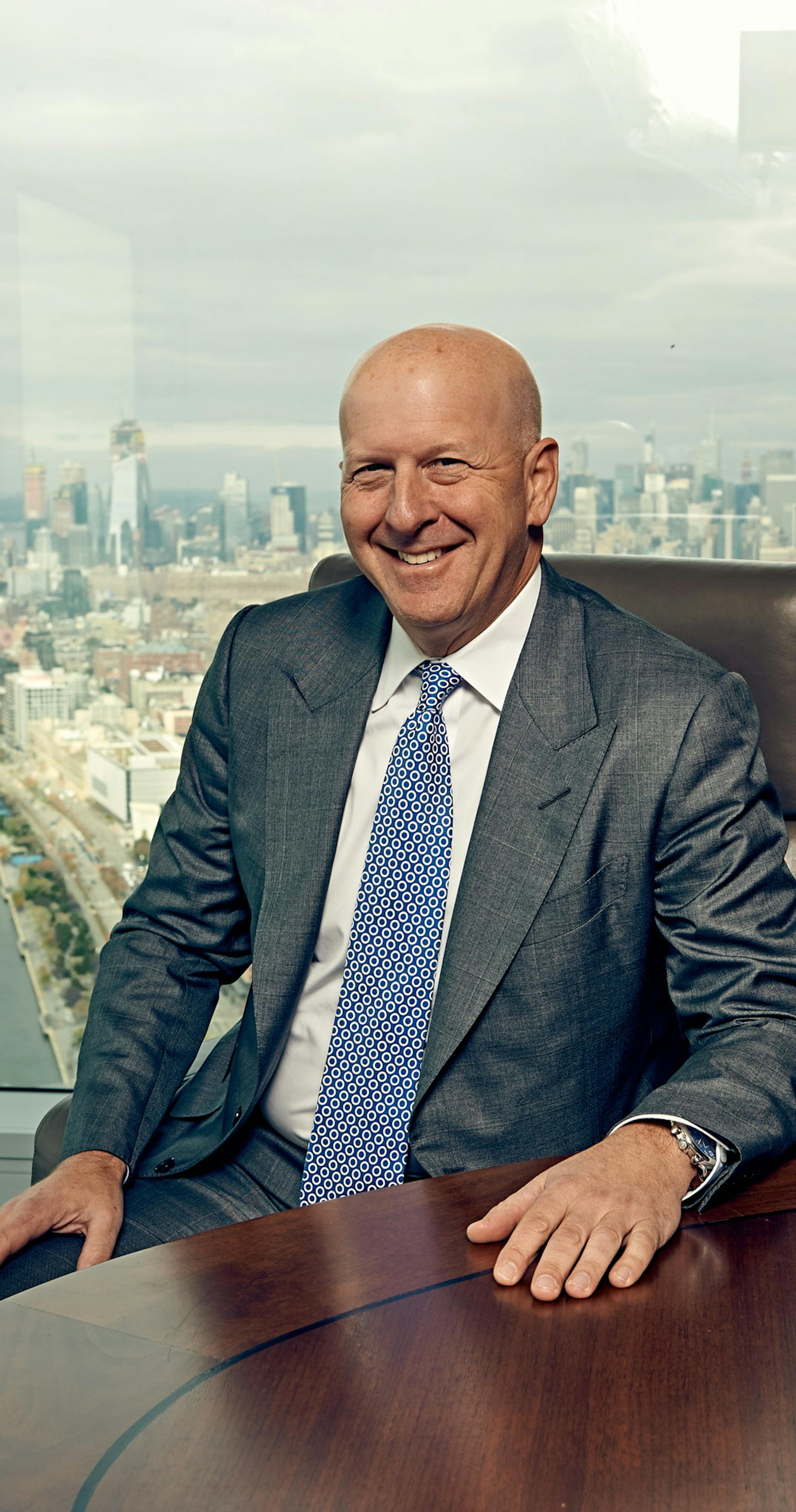
The first task for David Solomon, who took over as chief executive in October, is to clean up Goldman's reputation. In 2012 and 2013 it helped 1MDB raise $6.5 billion across three bond offerings, earning $600 million in fees — far above the norm for such work. U.S. and Malaysian authorities have alleged that much of the money raised was stolen in a scheme masterminded by Jho Low, a Malaysian financier. He has denied wrongdoing (and vanished).
Last November, the Department of Justice announced that a former senior partner at Goldman, Tim Leissner, had pleaded guilty to conspiracy to launder money and to violate foreign bribery laws.
And they indicted Low and another former Goldman banker, Roger Ng, who has also denied wrongdoing. Goldman claims that Ng and Leissner, who transferred embezzled funds into his personal bank account, kept the bank in the dark about their actions.
Reinventing itself
But criminal charges have been filed against the firm in Malaysia. Though Goldman is contesting the case, it is spooking shareholders, who worry about both onerous fines and what it implies about oversight at the bank.