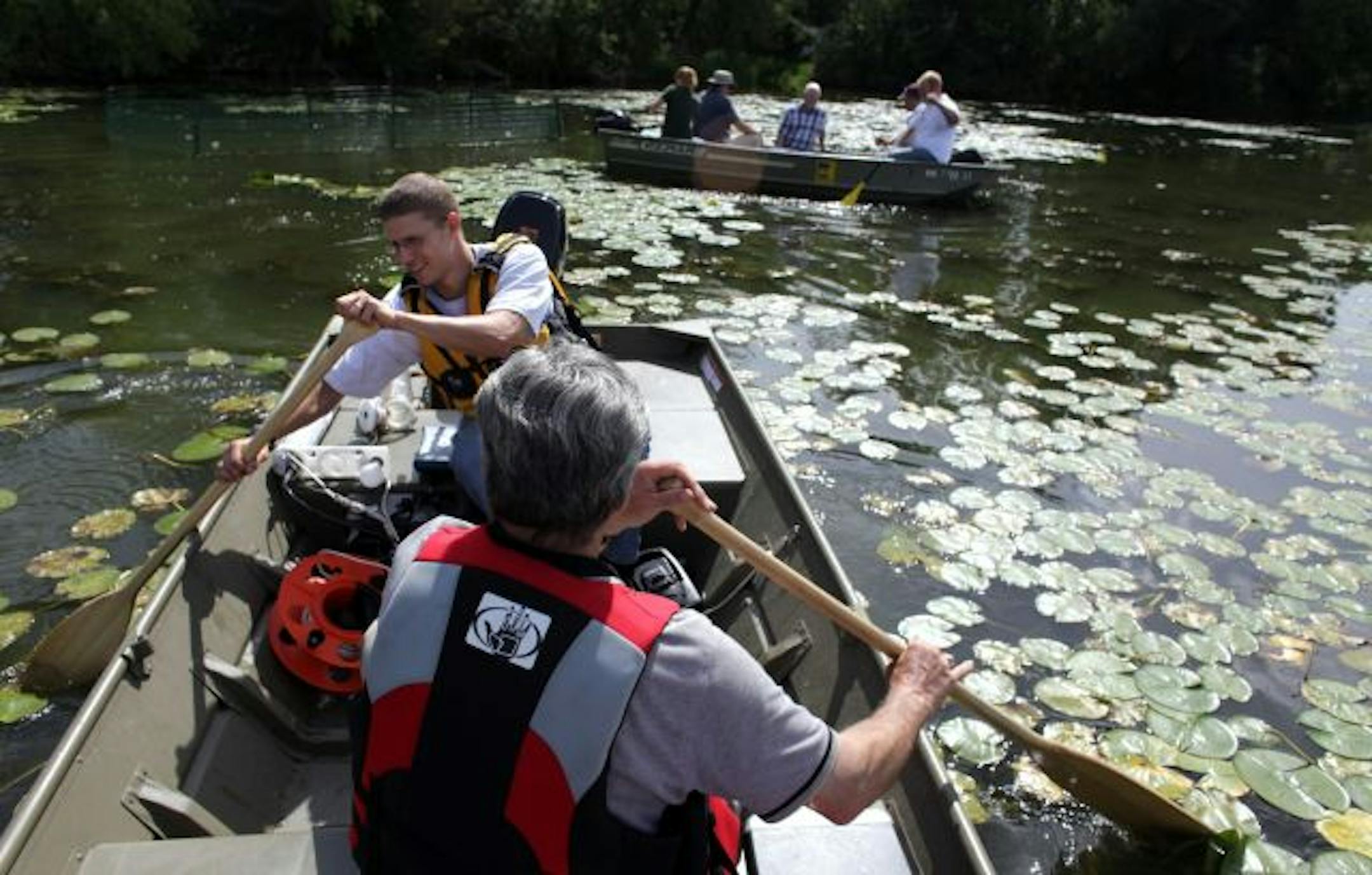
Researchers experimenting with cleaning up area lakes by removing carp were thrilled this summer with their success at Chanhassen's Lake Susan -- until they began to see a surprising side-effect:
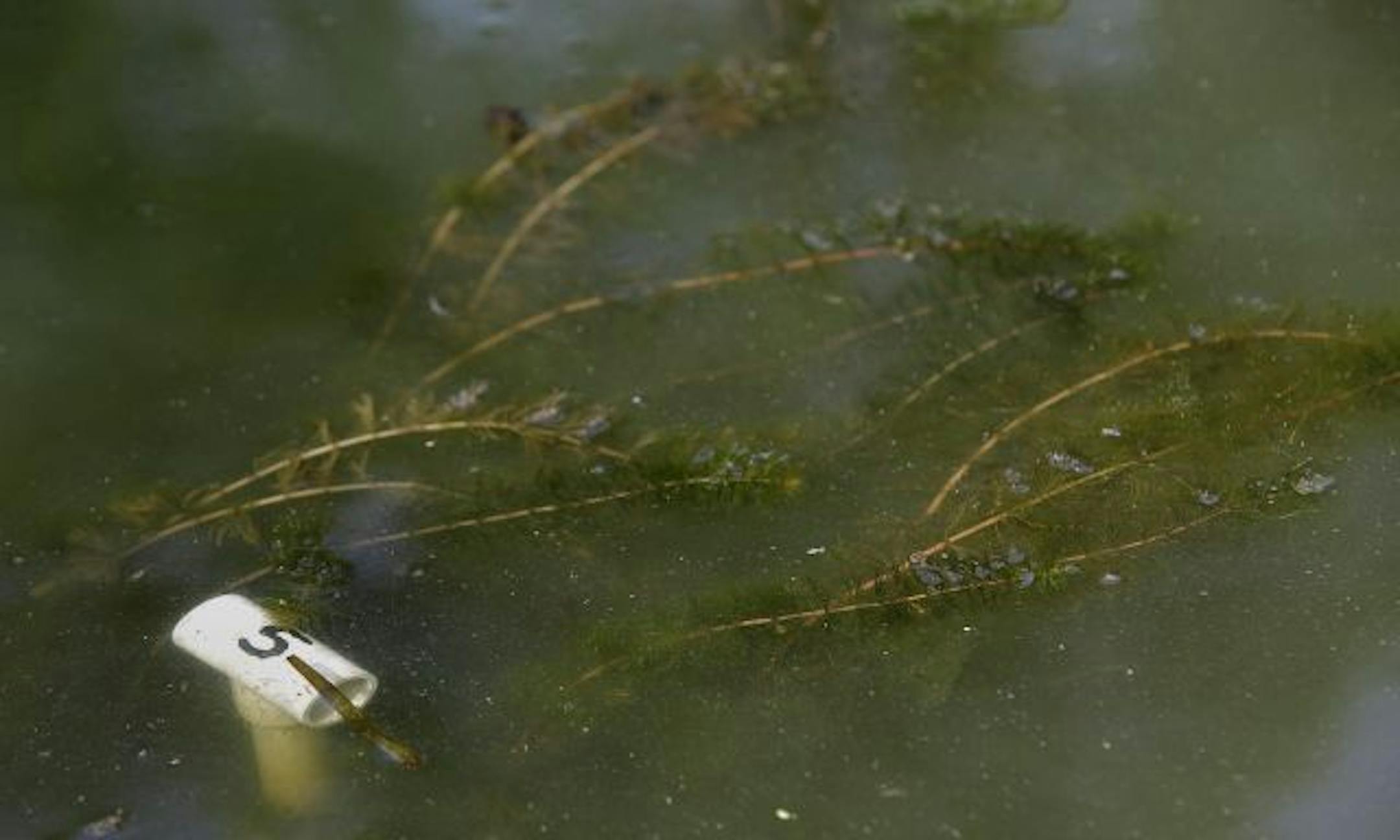
The water had become so clear that the sunlight passed through it and warmed the lake bottom, igniting an algae bloom that turned the water pea green.
When University of Minnesota researchers removed more than 3,000 carp from the lake last winter, their goal was to clean up its muddy waters. The bottom-feeding fish constantly stir up sediment by rooting through the mud looking for food.
"The surprise was we achieved levels of clarity that went way beyond anything we imagined," said Paul Haik, coordinator of the west suburban Riley-Purgatory Bluff Creek Watershed District.
"The response of the plant community was so sudden and so dramatic that we were stunned."
Researchers are taking the development in stride, as just another challenge in cleaning up lakes.
The next step is to figure out how to encourage native plants to grow after carp are removed.
Most clean lakes have an underwater meadow of native plants that provide habitat for game fish and keep algae and invasive species in check, said David Austin, task manager for lake restoration at CHM2Hill, a consulting company that acts as the Watershed District's engineers.