

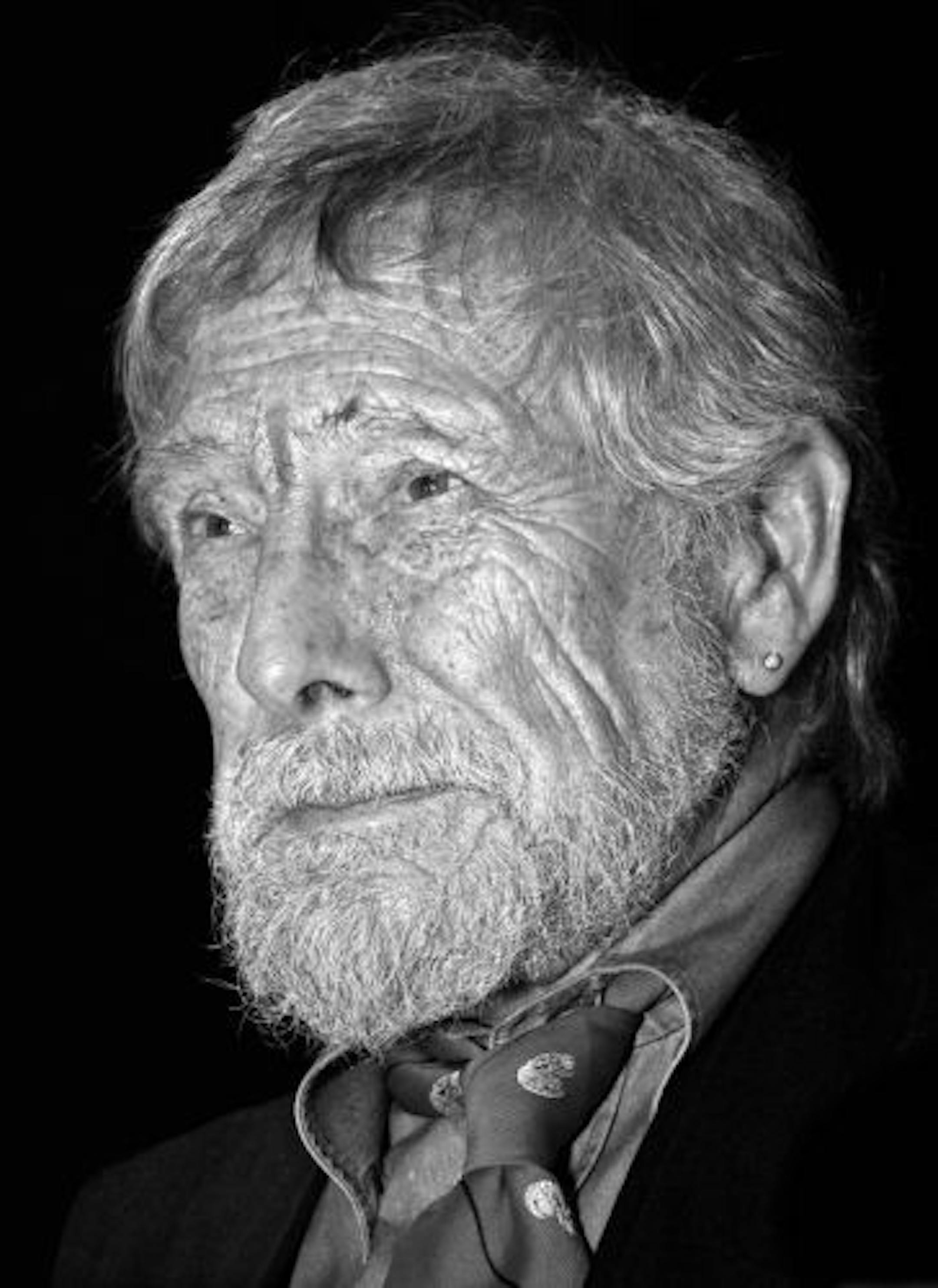
At 80, poet Gary Snyder still lives in his hand-built home on 100 acres in the backcountry of California's Sierra Nevada, practicing Zen meditation, writing poetry and frequently engaging the broader world with his thoughtful presence.
His recent pursuits include starring in a documentary, writing wry poems about electrical generators and putting together a trans-Pacific memoir of Buddhist practice and thought.
He'll be in Minneapolis to read poems -- including some new ones -- April 18 at Plymouth Congregational Church as part of the "Literary Witnesses" series. This is a condensed and edited version of a conversation with Snyder in March.
Q Much of your last book, "Danger on Peaks," was on the theme of ecological disturbance and rebirth on a grand scale; it came to mind when watching the news from Japan in the past weeks. What do you make of what's happening there?
A I've been reflecting on that, thinking to myself about the poem with the lines "If you ask for help, it comes/ But not in any way you'd ever know." ["Pearly Everlasting," from "Danger on Peaks."] It's hard to imagine that this disaster is an answer to a call for help, at least not in any sense that we'll ever be able to fathom, but it does raise a lot of questions.
What I keep coming back to is why didn't the backup diesel generators that run the cooling system kick in? There's no excuse for that. Building a nuclear power plant on what's basically a sandbar by the ocean. ... In the ninth century this whole area of the northeast coast of Japan was wiped out by a tsunami, and it happened several times since then. But then again, we're in no position to talk; we also have nuclear plants on the coasts.
Q Poet Charles Simic recently wrote about what he called the "New American Pessimism," a sense that our big problems can't be solved and that we're unable to act together to address them. What's your take on the current political situation?
A It's a strange time we're in, in a way. A segment of the American population that didn't have a voice -- because it wasn't smart enough -- now does have a voice; it's a self-destructive and ignorant way of thinking that doesn't grasp how much the American mode of infrastructure that supports business, transportation and education is an indispensable part of government and that makes the country as great as it has been. It's the Grover Norquist school of thought, that somehow we'll be better off not paying taxes for those things.


